Index

A crypto Index provides a way for investors to gain diversified exposure to a specific basket of digital assets through a single tokenized product. These indices often track specific sectors, such as DeFi, DePIN, or RWA, and are automatically rebalanced via smart contracts. In 2026, AI-managed thematic indices have become the gold standard for passive investing, allowing users to track the "blue chips" of the Web3 economy without manual portfolio management. This tag covers index methodology, rebalancing frequency, and the benefits of diversified crypto baskets.

25437 Articles
Created: 2026/02/02 18:52
Updated: 2026/02/02 18:52

Crypto Market Displays Mixed Signals Amid Growing Volatility

Crypto Market Displays Mixed Signals Amid Growing Volatility

Crypto market shows mixed signals with rising volatility as Bitcoin ($BTC) and Ethereum ($ETH) dip while altcoin gainers surge, and DeFi TVL records growth.

Author: Blockchainreporter
Poland Inflation: August’s Astonishing Drop to 2.8% Reshapes Economic Outlook

Poland Inflation: August’s Astonishing Drop to 2.8% Reshapes Economic Outlook

BitcoinWorld Poland Inflation: August’s Astonishing Drop to 2.8% Reshapes Economic Outlook In the dynamic world of global finance, macroeconomic shifts can send ripples across various asset classes, from traditional stocks and bonds to the burgeoning cryptocurrency market. Understanding these movements is crucial for investors seeking to make informed decisions. Recently, a significant piece of economic news emerged from Central Europe: Poland inflation recorded an astonishing drop, with the August inflation rate edging lower to 2.8%. This development is not just a local story; it carries profound implications for the European economic outlook, future central bank policy, and how global investors interpret key economic indicators. What Does Poland’s Astonishing Drop in Inflation Mean? The news that Poland’s consumer price index (CPI) inflation fell to 2.8% in August, year-on-year, has caught many analysts by surprise. This figure represents a substantial decrease from previous months and positions Poland as one of the few European nations experiencing such a rapid deceleration in price growth. For context, July’s inflation rate stood at 10.8%, highlighting the dramatic nature of this recent decline. Such a sharp drop suggests that the aggressive monetary tightening measures implemented by the National Bank of Poland (NBP) may finally be bearing fruit, or that other underlying economic factors are at play. For everyday Poles, this could translate to a much-needed reprieve from rising living costs, potentially boosting consumer confidence and spending. For investors, it signals a potential shift in the economic landscape, which could influence currency valuations, bond yields, and even the attractiveness of Polish assets. Decoding the August Inflation Rate: What’s Behind the Numbers? To truly understand the significance of the August inflation rate, we need to look beyond the headline figure. Inflation is a complex phenomenon driven by various components, and a sudden drop can be attributed to several factors: Base Effects: A common driver of sharp drops in year-on-year inflation figures is what economists call ‘base effects’. If inflation was exceptionally high in August of the previous year, then even a moderate increase this year can appear as a significant drop when compared to that high base. Energy Prices: Global energy prices, particularly for oil and natural gas, have a substantial impact on inflation. A decline in these prices, or a stabilization after previous spikes, can quickly bring down overall inflation figures. Food Prices: Similarly, food prices, which constitute a significant portion of household budgets, can fluctuate based on agricultural yields, supply chain efficiencies, and global commodity markets. Government Interventions: Sometimes, government policies, such as subsidies on energy or food, or temporary tax cuts, can artificially suppress inflation figures. Poland has previously implemented such measures, and their continued effect could be a factor. Weakening Demand: Persistent high interest rates can cool consumer demand, leading businesses to slow down price increases or even offer discounts to attract buyers. This demand-side cooling contributes to lower inflation. While the exact breakdown for Poland’s August figures requires deeper statistical analysis, it is likely a combination of these elements. The market will be keenly watching for detailed reports from the NBP to ascertain the sustainability of this trend. Key Inflation Components (Illustrative Example) To give a clearer picture, here’s an illustrative breakdown of how different components might have contributed to the overall August inflation rate drop: Component July YoY Change (%) August YoY Change (%) Contribution to Drop Overall CPI 10.8% 2.8% Significant Energy 8.5% -2.0% High Food & Non-alcoholic Beverages 15.6% 7.0% Moderate Core Inflation (Excluding Food & Energy) 9.0% 7.5% Low Note: These figures are illustrative and serve to demonstrate how different categories might influence the overall inflation rate. Actual data would be released by official statistical offices. How Will This Impact Central Bank Policy in Poland and Beyond? The National Bank of Poland (NBP) has been proactive in combating inflation, raising its benchmark interest rate significantly over the past couple of years. A dramatic fall in Poland inflation to 2.8% provides the NBP with considerable room for maneuver. This could lead to: Interest Rate Cuts: With inflation nearing the NBP’s target range (which is 2.5% +/- 1 percentage point), the central bank might consider cutting interest rates sooner than expected. This would be a dovish pivot, potentially stimulating economic growth by making borrowing cheaper for businesses and consumers. Strengthening Currency: Paradoxically, initial rate cut expectations might weaken the Polish Zloty (PLN) in the short term. However, a stable and predictable inflation environment can attract foreign investment in the long run, strengthening the currency. Policy Divergence: This move could set Poland apart from other major central banks in the Eurozone and the US, which are still grappling with stubbornly high inflation and are either holding rates steady or considering further hikes. Such divergence can create arbitrage opportunities for forex traders. The NBP’s next meeting will be closely watched. Any indication of a shift towards easing monetary policy would send clear signals to markets, affecting not only local assets but also potentially influencing sentiment across the broader European financial landscape. Understanding the Broader European Economic Outlook Poland’s economic performance is an integral part of the larger European economic outlook. While not a Eurozone member, its strong trade ties and geographical proximity mean that its economic health impacts its neighbors and the wider continent. A significant drop in Polish inflation has several implications for Europe: Positive Spillover: If Poland manages to tame inflation without triggering a deep recession, it could serve as a positive example for other European economies still struggling with price stability. This could boost overall confidence in the region’s ability to navigate current economic challenges. Investment Flows: A more stable economic environment in Poland, characterized by lower inflation and potentially lower interest rates, could make it an attractive destination for foreign direct investment (FDI) and portfolio investment. This can benefit not just Poland but also European businesses that trade with or invest in the country. Challenges for the ECB: The European Central Bank (ECB) is still battling elevated inflation within the Eurozone. Poland’s success might put pressure on the ECB to re-evaluate its own strategies, especially if disinflationary trends start to spread more broadly across the continent. However, the diverse economic structures within the Eurozone mean a direct comparison is not always straightforward. For global investors, including those in the crypto space, understanding these macro trends is vital. A stronger, more stable European economy, even outside the Eurozone, contributes to overall global economic health, which can indirectly influence risk appetite and investment in digital assets. Key Economic Indicators to Monitor for Future Trends While the August inflation rate is a crucial data point, it is just one piece of the economic puzzle. Investors and analysts must continue to monitor a range of economic indicators to gauge the sustainability of this disinflationary trend and its broader impact. Here are some key indicators to watch: Core Inflation: This metric excludes volatile items like food and energy, providing a clearer picture of underlying price pressures. If core inflation remains high, the overall drop might be temporary. GDP Growth: How the economy is growing (or contracting) will indicate whether disinflation is occurring alongside healthy growth or due to a slowdown. A ‘soft landing’ is the ideal scenario. Unemployment Rate: A tight labor market can push wages up, which can fuel inflation. Monitoring unemployment will show if the labor market is cooling or overheating. Retail Sales and Consumer Confidence: These indicators provide insights into consumer spending behavior, a major driver of economic activity. Manufacturing PMIs: Purchasing Managers’ Indexes for manufacturing and services sectors offer a forward-looking view of economic activity and business sentiment. Wage Growth: Sustained high wage growth can lead to a wage-price spiral, making it harder to bring down inflation permanently. By keeping an eye on these indicators, market participants can better anticipate future moves by the NBP and assess the true health of the Polish economy, informing their investment strategies across various markets, including the often-reactive crypto market. Actionable Insights for the Savvy Investor What does this mean for you, the astute investor? Here are some actionable insights: Stay Diversified: While specific country data is important, maintaining a diversified portfolio across different asset classes and geographies remains paramount. Monitor Central Bank Communications: Pay close attention to official statements from the NBP. Their forward guidance on interest rates will be a major market mover. Consider Forex Implications: If the NBP cuts rates, the Polish Zloty (PLN) could see volatility. Forex traders might look for opportunities in PLN pairs. Global Macro View: Connect Poland’s situation to the broader global economic narrative. How does this disinflationary trend compare with inflation in the US, Eurozone, or UK? This comparative analysis helps in understanding global capital flows. Crypto Market Sensitivity: Remember that the crypto market often reacts to macro news. A more stable global economic environment, signaled by easing inflation, can sometimes foster greater risk appetite, which might benefit digital assets. Conversely, uncertainty can lead to a flight to safety. Conclusion: A Glimmer of Hope for Economic Stability The dramatic fall in Poland inflation to 2.8% in August is a significant economic event, offering a glimmer of hope for greater price stability in the region. It suggests that, at least in Poland, the tide may be turning against the inflationary pressures that have gripped economies worldwide. While the full implications will unfold over time, this data point profoundly impacts expectations for central bank policy, shapes the evolving European economic outlook, and provides critical insights through various economic indicators for global investors. As we move forward, the focus will shift from the headline number to the underlying drivers and the sustainability of this disinflationary trend. The ability of Poland to maintain this trajectory will be a key determinant of its economic health and its role within the broader European and global financial system. For those navigating the complexities of modern markets, including the volatile world of cryptocurrencies, understanding these fundamental shifts is not just beneficial, but essential. To learn more about the latest Forex market trends, explore our article on key developments shaping global interest rates and institutional adoption. This post Poland Inflation: August’s Astonishing Drop to 2.8% Reshapes Economic Outlook first appeared on BitcoinWorld and is written by Editorial Team

Author: Coinstats
US Dollar’s Pivotal Moment: Decoding PCE Inflation’s Impact

US Dollar’s Pivotal Moment: Decoding PCE Inflation’s Impact

BitcoinWorld US Dollar’s Pivotal Moment: Decoding PCE Inflation’s Impact In the dynamic world of cryptocurrency, understanding broader macroeconomic trends is paramount. While digital assets often carve their own path, they are not immune to the gravitational pull of traditional markets. Today, all eyes are on the US Dollar’s strength as a pivotal economic indicator looms large: the Personal Consumption Expenditures (PCE) inflation report. This crucial data release has the power to reshape market sentiment, influencing everything from global currencies to your crypto portfolio. Let’s delve into what’s at stake and how the dollar’s performance could signal significant shifts. What’s Driving US Dollar Strength Amidst Uncertainty? The US Dollar strength has been a persistent theme in recent times, often acting as a safe haven during periods of global economic uncertainty. However, its trajectory is rarely straightforward. Ahead of the critical PCE inflation report, the dollar has shown a modest upward trend, reflecting cautious optimism or perhaps simply a flight to quality as investors brace for new data. This short-term resilience, however, is juxtaposed against a broader market expectation of a potential monthly decline, signaling a complex interplay of forces at play. Several factors contribute to the dollar’s current stance: Interest Rate Differentials: The Federal Reserve’s relatively higher interest rates compared to other major central banks continue to make dollar-denominated assets attractive. Global Economic Slowdown: Concerns over economic growth in Europe and China often push investors towards the perceived safety of the US dollar. Market Positioning: Traders adjusting their positions ahead of major economic announcements can create short-term volatility and upward pressure. Yet, the underlying narrative suggests a potential weakening. The market has largely priced in future rate cuts by the Federal Reserve, which could erode the dollar’s yield advantage. The upcoming PCE data will be instrumental in confirming or challenging these expectations, directly impacting the dollar’s medium-term outlook. Decoding the PCE Inflation Report: Why It Matters to the Federal Reserve At the heart of the current market anticipation is the PCE inflation report. Unlike the more commonly cited Consumer Price Index (CPI), the Personal Consumption Expenditures price index is the Federal Reserve’s preferred measure of inflation. This preference stems from several key characteristics: Broader Coverage: PCE covers a wider range of goods and services than CPI. Adaptive Weighting: PCE adjusts for changes in consumer behavior, reflecting when consumers substitute cheaper alternatives for more expensive items. This makes it a more accurate gauge of actual spending patterns. Inclusion of Employer-Sponsored Healthcare: PCE includes costs paid by employers on behalf of employees, offering a more comprehensive view of economic activity. The core PCE, which strips out volatile food and energy prices, is particularly scrutinized as it provides a clearer picture of underlying inflationary pressures. A higher-than-expected PCE reading could signal persistent inflation, potentially pushing the Federal Reserve to maintain a tighter monetary policy for longer. Conversely, a softer reading might bolster arguments for earlier rate cuts, significantly impacting the US Dollar strength and global markets. Here’s a quick comparison between CPI and PCE: Feature Consumer Price Index (CPI) Personal Consumption Expenditures (PCE) Scope Household spending on goods and services Broader, includes non-profit institutions and employer-sponsored healthcare Weighting Fixed basket of goods and services Dynamically adjusts for consumer substitution Source Survey of households Survey of businesses How Does the PCE Inflation Report Influence Federal Reserve Policy? The Federal Reserve policy framework places immense emphasis on the PCE inflation report. As the central bank’s primary gauge for price stability, the PCE data directly informs their decisions regarding interest rates and quantitative easing/tightening. The Fed has a dual mandate: to achieve maximum employment and maintain price stability (typically targeting 2% inflation). When inflation deviates significantly from this target, the Fed adjusts its monetary policy tools. A higher-than-expected PCE figure would suggest that inflation is proving more stubborn than anticipated. This scenario could lead the Federal Reserve to: Maintain Current Rates: Keep the federal funds rate at its elevated level for a longer duration, extending the “higher for longer” narrative. Delay Rate Cuts: Postpone any planned rate cuts, which are currently priced into market expectations for later in the year. Signal Future Tightening: In an extreme case, if inflation were to re-accelerate, the Fed might even hint at further rate hikes, though this is a less likely scenario given current trends. Conversely, a PCE report showing inflation cooling faster than expected would provide the Fed with greater flexibility to consider rate cuts sooner. Such a move would be aimed at preventing an economic slowdown and supporting growth. Traders and investors meticulously analyze every nuance of the PCE report, as it offers a direct window into the future direction of US monetary policy, significantly impacting the Forex market analysis and beyond. Navigating the Forex Market Analysis: What Does PCE Mean for Currency Pairs? For participants in the Forex market analysis, the PCE inflation report is a seismic event. The dollar’s reaction to this data will dictate the movement of major currency pairs globally. A stronger dollar, driven by hawkish Fed expectations, typically sees the USD gain against other currencies, while a weaker dollar suggests the opposite. Consider these potential scenarios and their implications for key currency pairs: PCE Higher Than Expected (Hawkish Outcome): Impact on USD: Stronger, as higher inflation could mean delayed Fed rate cuts or even a hawkish surprise. EUR/USD: Likely to fall, as the Euro weakens against a stronger dollar. USD/JPY: Likely to rise, as the dollar strengthens against the Japanese Yen, which typically benefits from a dovish Fed. GBP/USD: Likely to fall. PCE Lower Than Expected (Dovish Outcome): Impact on USD: Weaker, as lower inflation strengthens the case for earlier Fed rate cuts. EUR/USD: Likely to rise, as the Euro gains against a weaker dollar. USD/JPY: Likely to fall, as the Yen strengthens against a weaker dollar. GBP/USD: Likely to rise. Traders will be scrutinizing not just the headline PCE number but also the core PCE, month-over-month, and year-over-year figures. Divergences from consensus forecasts will trigger immediate market reactions. Understanding these dynamics is crucial for anyone involved in currency trading, providing valuable context for their strategies and risk management. Broader Economic Data Impact: Ripple Effects on Global Markets and Crypto The ripple effects of the PCE inflation report extend far beyond the Forex market, influencing the broader economic data impact on global financial markets, including the volatile cryptocurrency space. When the US dollar strengthens due to hawkish Fed expectations, it can create headwinds for riskier assets. This is because a stronger dollar often implies tighter global financial conditions, making it more expensive for international borrowers to repay dollar-denominated debt and reducing liquidity. Here’s how the PCE outcome can influence other markets: Cryptocurrencies: A stronger dollar and higher interest rates can reduce investor appetite for speculative assets like Bitcoin and altcoins. Investors might shift capital from crypto to less risky, yield-bearing traditional assets. Conversely, a weaker dollar and the prospect of rate cuts could inject liquidity and boost crypto valuations. Commodities: Gold, often seen as an inflation hedge or safe haven, typically has an inverse relationship with the dollar. A stronger dollar can depress gold prices, while a weaker dollar can support them. Oil prices can also be affected, as a stronger dollar makes oil more expensive for non-dollar holders, potentially dampening demand. Equity Markets: US equity markets can react to PCE data based on its implications for corporate earnings and economic growth. Persistent high inflation or aggressive Fed tightening can weigh on stock valuations, especially growth stocks. The interconnectedness of these markets means that the PCE report is not just a US statistic; it’s a global market driver. Investors across all asset classes, including crypto, must pay close attention to this key economic release to anticipate shifts in market sentiment and adjust their portfolios accordingly. The challenge lies in accurately predicting market reactions and managing the inherent volatility that follows such significant data releases. As the market braces for the Personal Consumption Expenditures (PCE) inflation report, the future trajectory of the US Dollar strength hangs in the balance. This pivotal economic indicator is not merely a number; it’s a crucial determinant for Federal Reserve policy, directly influencing interest rates and, by extension, global capital flows. Our Forex market analysis shows that whether the PCE inflation report comes in higher or lower than expected, its economic data impact will reverberate across currency pairs, commodity markets, and even the cryptocurrency ecosystem. For investors, staying informed and adapting strategies based on these macro shifts is paramount to navigating the complex financial landscape. The coming report will undoubtedly provide a clearer picture of the inflation outlook and the Fed’s next steps, offering both challenges and opportunities for vigilant market participants. To learn more about the latest Forex market trends, explore our article on key developments shaping the US Dollar and global interest rates. This post US Dollar’s Pivotal Moment: Decoding PCE Inflation’s Impact first appeared on BitcoinWorld and is written by Editorial Team

Author: Coinstats
Bitcoin Hyper ($HYPER) Live News Today: Latest Insights for Bitcoin Maxis (August 29)

Bitcoin Hyper ($HYPER) Live News Today: Latest Insights for Bitcoin Maxis (August 29)

Stay Ahead with Our Immediate Analysis of Today’s Bitcoin & Bitcoin Hyper Insights Check out our Live Bitcoin Hyper Updates for August 29, 2025! In 2010, Bitcoin was worth a few cents. One year later, it hit $20. In six years, it was $17,000, and now it’s sitting at over $100K, after hitting an ATH […]

Author: Bitcoinist
Why One Small Parameter Can Make or Break Your Medical Image Retrieval

Why One Small Parameter Can Make or Break Your Medical Image Retrieval

This article explores the key approaches to medical image retrieval—volume-based, region-based, and localized retrieval—and explains when each is most effective. It also introduces the concept of localization-ratio, showing how parameter choices (like the value of L) directly impact retrieval accuracy. By highlighting trade-offs and optimization strategies, the piece provides a clear guide for improving organ-level image search in real-world medical imaging tasks.

Author: Hackernoon
Chainlink, Pyth Become Oracle Providers for US Government

Chainlink, Pyth Become Oracle Providers for US Government

The post Chainlink, Pyth Become Oracle Providers for US Government appeared on BitcoinEthereumNews.com. The US government has tapped Chainlink and Pyth, two blockchain oracle providers, to publish economic data onchain. Chainlink was selected to provide data feeds from the Bureau of Economic Analysis (BEA), and will publish additional data feeds in response to consumer demand or at the behest of the US government, a Chainlink spokesperson told Cointelegraph. These feeds include real gross domestic product (GDP), Personal Consumption Expenditures (PCE) price index, and real final sales to private domestic purchasers, the company said. The Department of Commerce also selected Pyth to be a publisher of gross domestic product (GDP) data — the total economic output in a year — according to an announcement on Thursday. Source: Pyth Network Publishing government data onchain is part of the Trump administration’s plan to make government spending more transparent in a bid to improve accountability and make the US a “world capital” of crypto. Related: Philippine lawmaker to propose putting government budget on blockchain Bringing government economic data onchain will provide positive benefits to spot crypto markets, a Chainlink spokesperson said. These include automated trading strategies that execute based on changing government data, real-time prediction markets for macroeconomic developments and risk-management strategies for decentralized finance (DeFi) protocols. Stablecoins, tokenized government bonds, perpetual futures contracts, real-world tokenized assets (RWAs) and other digital financial instruments reliant on macroeconomic inputs also stand to benefit from onchain government economic data. Proposals to bring public spending data and other macroeconomic figures onchain are currently fomenting in the Philippines, the United Kingdom and El Salvador. Traders eye potential gains for crypto markets The price of Pyth (PYTH) surged by nearly 70% on the news, and Chainlink (LINK) posted modest gains of over 3% before falling back to about $25. LINK has rallied by about 61% since the start of August, going from a…

Author: BitcoinEthereumNews
Bitcoin Drops Below $111K, BAY Miner Mobile App Opens Profitable BTC, ETH, and XRP Mining Opportunities

Bitcoin Drops Below $111K, BAY Miner Mobile App Opens Profitable BTC, ETH, and XRP Mining Opportunities

The post Bitcoin Drops Below $111K, BAY Miner Mobile App Opens Profitable BTC, ETH, and XRP Mining Opportunities appeared on BitcoinEthereumNews.com. Bitcoin experienced significant volatility again this week, breaking through key support and falling below $111,900 on the 28th, wiping out over $120 billion in market capitalization in a single day. This price correction has drawn significant attention from global investors and presented new investment opportunities for the mining ecosystem and blockchain applications. Amidst market volatility, the BAY Miner mobile app has officially launched, offering multi-currency mining access to Bitcoin (BTC), Ethereum (ETH), and Ripple (XRP) to users worldwide. With just a smartphone, users can participate in blockchain computing power allocation with minimal barriers to entry, achieving stable daily output and an estimated daily compound yield of up to 5.3%. This innovative model not only breaks the barriers of high investment and energy consumption associated with traditional mining machines, but also creates potential for value-added returns for millions of ordinary users. BAY Miner Mobile App: Mining Made Simple Mining Without Hardware BAY Miner removes the barriers that have kept everyday people out of mining. No heavy equipment. No noise. No maintenance. Users simply download the app, register, and choose a contract. From that point, mining begins automatically. Prices are credited daily and the withdrawal is just one pressure away. What makes BAY Miner even more appealing is its global accessibility. Whether you’re in Asia, Europe, or the Americas, everybody with a phone and internet connection can begin incomes crypto right away. The app supports each Android and iOS, ensuring no consumer is left behind. Flexible contract for each budget Whether you’re testing the waters or planning a long-term strategy, BAY Miner provides contracts for every type of user: Bitcoin Basic Plan – $100 | 2 Days | $4 Daily | Return: $108 XRP Classic Plan – $600 | 6 Days | $7.20 Daily | Return: $643.20 Long-Term Plan – $3,000 |…

Author: BitcoinEthereumNews
A historic step: US official GDP data will be stored on 9 major public chains including Bitcoin and Ethereum

A historic step: US official GDP data will be stored on 9 major public chains including Bitcoin and Ethereum

By Frank, PANews On August 28, the U.S. Department of Commerce announced that it would publish real gross domestic product (GDP) data on a blockchain, starting with data from July 2025. The first six data types will include real GDP, the personal consumption expenditures (PCE) price index, and actual final sales to domestic private buyers. This data on-chain migration involves nine public blockchains and two oracle networks. For the crypto industry, this signifies that the core data of the world's most important economies is moving from traditional centralized institutions to native on-chain availability. On the one hand, this government-led data on-chain migration provides new credibility for the crypto world. On the other hand, it represents another symbolic move by the Trump administration to promote its "Crypto Capital" initiative. Two-tier architecture of "certificate storage" and "application" First, from a technical perspective, PANews will sort out the process of uploading data to the chain. According to the U.S. Department of Commerce's official statement, the core operation involves embedding the cryptographic hash of the official GDP report PDF file, known as its unique "digital fingerprint," into transactions on nine blockchains. The first blockchain networks to be adopted are Bitcoin, Ethereum, Solana, TRON, Stellar, Avalanche, Arbitrum One, Polygon PoS, and Optimism. Through this operation, anyone can verify whether the report has been tampered with by comparing the hash value on the chain with the hash value of the official report. Furthermore, Chainlink and Python, two leading oracle platforms, were selected for this data on-chain integration. These platforms serve as middleware services between blockchain and the real world. Oracles' primary mission is to securely and reliably feed real-world external (off-chain) data to the blockchain network. GDP data contract on Ethereum Therefore, choosing Chainlink and Python can better distribute this on-chain data to the applications and ecosystems that need it. Chainlink's official website currently has a dashboard function for these six data points. However, unlike the nine public chains announced by the U.S. Department of Commerce, Chainlink's information shows that it currently supports ten public chain networks, including Arbitrum, Avalanche, Base, Botanix, Ethereum, Linea, Mantle, Optimism, Sonic and ZKsync. This may seem like a discrepancy, but it's not due to a synchronization error. Rather, the blockchains mentioned in the two lists play different roles in the process. Simply put, the nine public chains listed by the US Department of Commerce are original data verification networks used for evidence storage. The ten blockchain networks announced by Chainlink are the initial group of blockchains supported by its data feed service. These chains share a common characteristic: they are all active smart contract platforms (primarily Ethereum and its Layer 2 expansion network). Political “showmanship”? But it benefits on-chain products What are the actual pain points of this data chain? The real reasons behind it may come from two aspects. From the perspective of the crypto industry, this data on-chain, especially the connection to leading oracles such as Chainlink and Pyth, can provide the crypto industry with a more direct and authoritative source of GDP and other core US economic data, which is conducive to the stability of products such as stablecoins, RWAs, and prediction markets that are linked to this official data. From another perspective, the move to put data on the blockchain has a profound and complex relationship with President Trump and his administration's historical behavior of questioning the reliability of official data. During his presidency, Trump has repeatedly publicly accused unfavorable economic data (such as GDP growth or employment data) of being "manipulated" or "biased." In August, he fired Erika McEntarfer, director of the Bureau of Labor Statistics, over a poor jobs report and accused her of releasing "fake" data. From the perspective of the U.S. Department of Commerce, putting data like GDP on-chain seems to be a proactive response to Trump's skepticism about the data's authenticity. However, many in the U.S. media have argued that such manipulation cannot completely solve the problem of data falsification. After all, putting data on-chain only provides data evidence, but it cannot guarantee the objectivity and authenticity of the data's core source. PYTH skyrocketed, while public chain tokens remained “indifferent” Regardless of the ultimate goal and actual effect, this data chain initiative led by the US government can ultimately be summarized as a further recognition of blockchain. However, judging by the list of public chains released by the U.S. Department of Commerce, the governance tokens of these chains did not seem to experience a surge in value due to the news. Chainlink's LINK token, which is part of the partnership, did experience a rapid surge on the evening of the 28th, but subsequently fell again as the broader market weakened. The only one that was significantly stimulated by this news was Pyth. The price of its token quickly rose from around $0.11 before the news was released to a high of $0.25, with a daily increase of up to 110%, and its market value increased by more than $600 million. Judging from this divergence, the surge in PYTH tokens may be due to active capital support. The actual support for this news may not be strong. However, this may just be the beginning. Commerce Secretary Lutnick made it clear during his announcement that the department plans to expand this blockchain-based data infrastructure to all federal agencies once it finalizes all the details. This means that in the future, all types of public data from the U.S. government may be published in a similar manner. Overall, while the US data blockchain initiative may not have a strong short-term impact on the market, its long-term impact on the entire crypto industry may be greater. This marks the beginning of a new era for mainstream public blockchains as the core layer of data storage.

Author: PANews
DreamSim and the Future of Embedding Models in Radiology AI

DreamSim and the Future of Embedding Models in Radiology AI

This article explores how different embedding approaches perform in medical image retrieval tasks. Self-supervised models slightly edge out supervised ones, though the performance gap across architectures is narrow. Surprisingly, pretraining on natural images (ImageNet) outperforms domain-specific sets (RadImageNet), while fractal-based embeddings achieve unexpectedly strong results given their synthetic origins. DreamSim, an ensemble of ViT embeddings fine-tuned with synthetic data, delivers the best recall overall, making it the current leader in embedding generation. Isolated anomalies—like poor recall for certain anatomies—remain unexplained, pointing to fertile ground for future research.

Author: Hackernoon
How Dataset Imbalances Shape Medical Image Retrieval Accuracy

How Dataset Imbalances Shape Medical Image Retrieval Accuracy

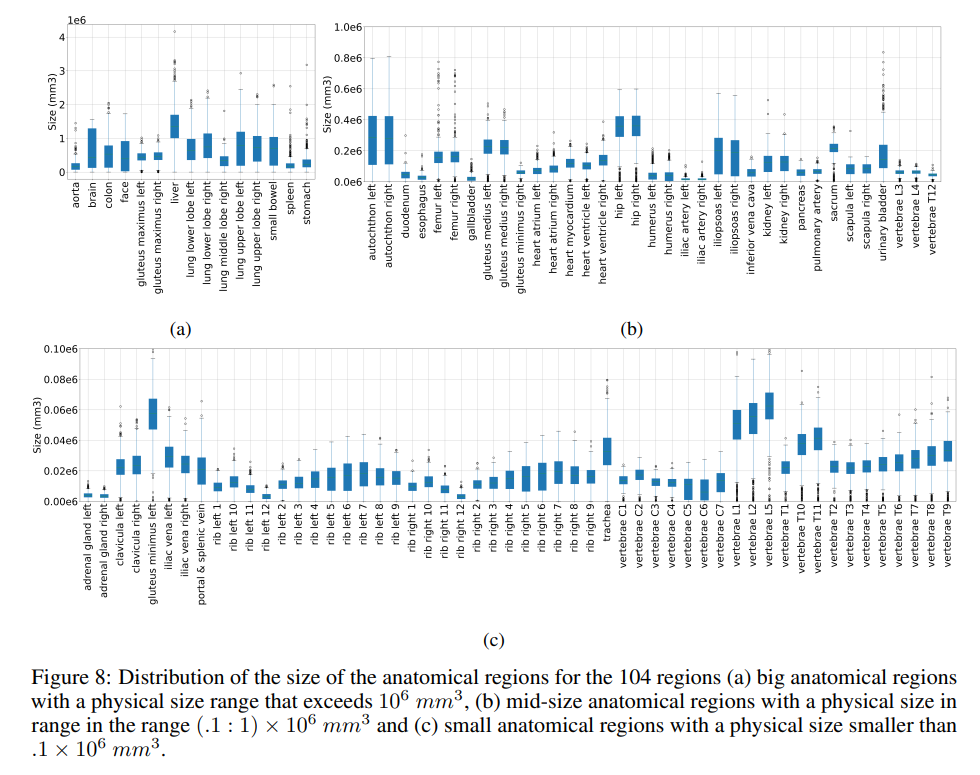
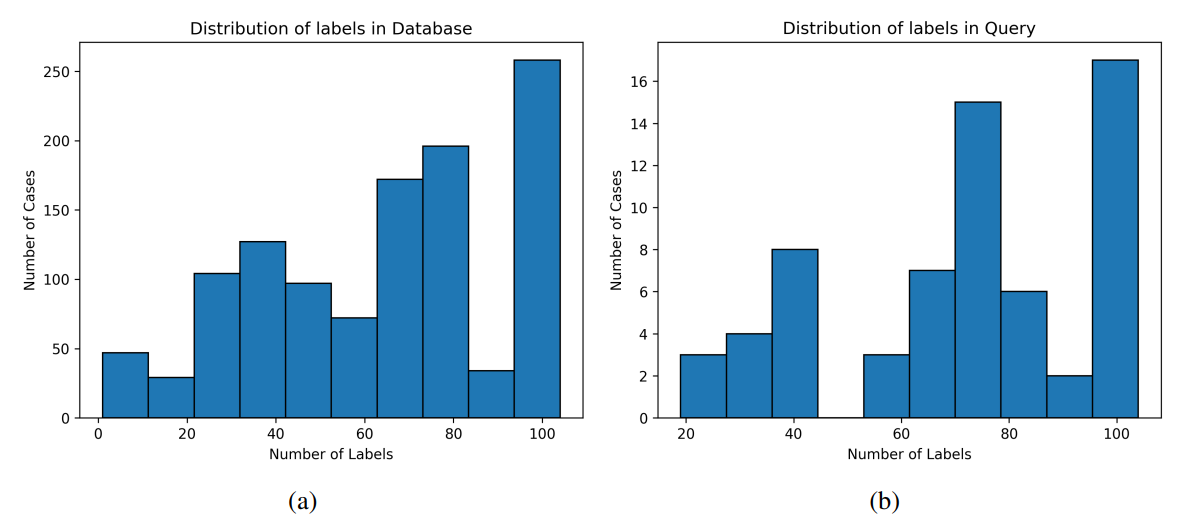
This article explores challenges and innovations in medical image retrieval, focusing on dataset imbalance, organ size and shape biases, and recall accuracy interpretation. It highlights a novel application of ColBERT-inspired re-ranking, demonstrating its feasibility in refining CBIR results by incorporating context such as user behavior and medical relevance. While no strong link was found between anatomical region size and retrieval recall, the study opens new pathways for improving image retrieval systems, balancing computational costs, and enhancing real-world usability.

Author: Hackernoon