If you've searched for an ETH miner recently, you've probably hit a wall of confusing answers. The truth is, Ethereum mining ended in 2022 — but that doesn't mean you're out of options. This articleIf you've searched for an ETH miner recently, you've probably hit a wall of confusing answers. The truth is, Ethereum mining ended in 2022 — but that doesn't mean you're out of options. This article
Can You Still Use an ETH Miner? The Truth About Ethereum Mining Today
If you've searched for an ETH miner recently, you've probably hit a wall of confusing answers.
The truth is, Ethereum mining ended in 2022 — but that doesn't mean you're out of options.
This article explains what an ETH miner actually was, what killed it, and what serious alternatives exist today for anyone still looking to earn through mining or grow their ETH holdings.
- Mining ETH isn't what it was — our complete Ethereum guide tells you what replaced it.
Key Takeaways
- An ETH miner was hardware and software that validated Ethereum transactions under Proof-of-Work and earned block rewards in ETH.
- Ethereum permanently ended mining on September 15, 2022, when The Merge switched the network to Proof-of-Stake.
- Former ETH miners can repurpose their hardware to mine Ethereum Classic (ETC), which still runs on a Proof-of-Work algorithm called ETCHash.
- Staking has replaced mining as the primary way to earn ETH — and it requires no hardware or electricity costs.
- Solo staking on Ethereum requires a minimum of 32 ETH; smaller holders can participate through liquid staking pools.
- For those who want ETH exposure without mining or staking complexity, buying ETH directly on an exchange remains the simplest option.
What Is an ETH Miner? GPU Rigs, ASIC Miners, and Mining Software Explained
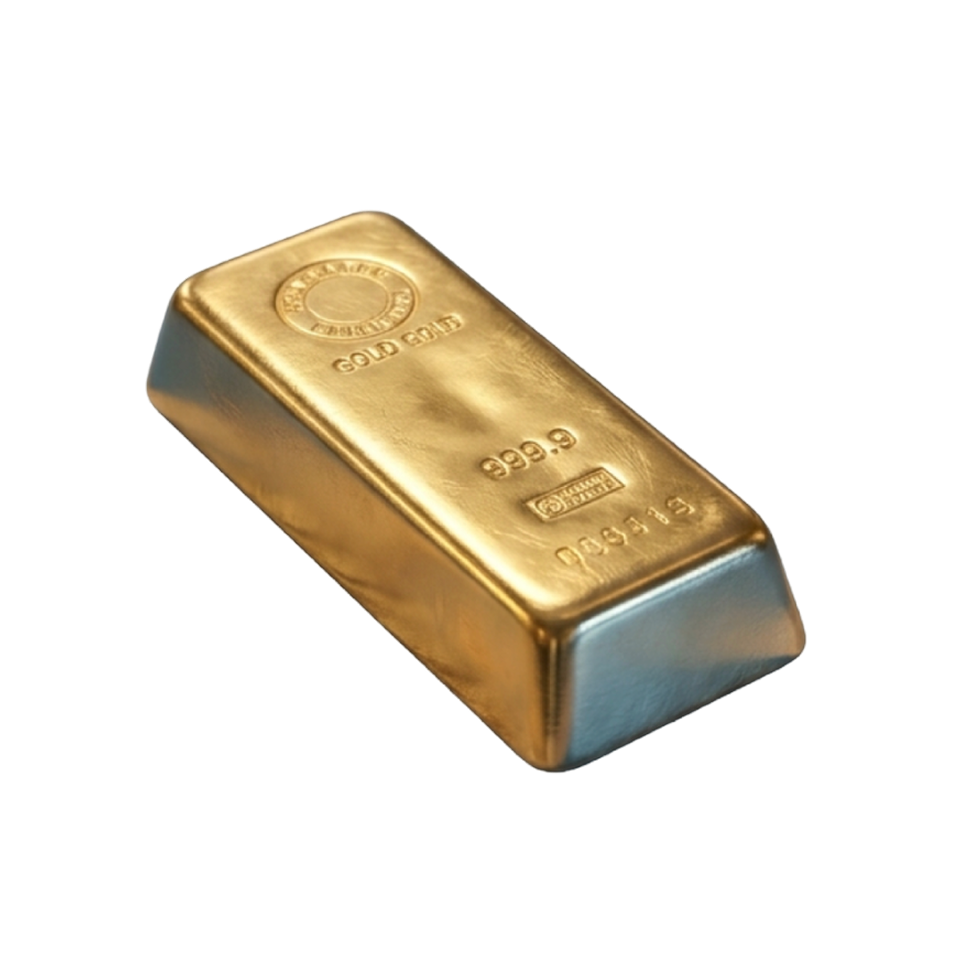
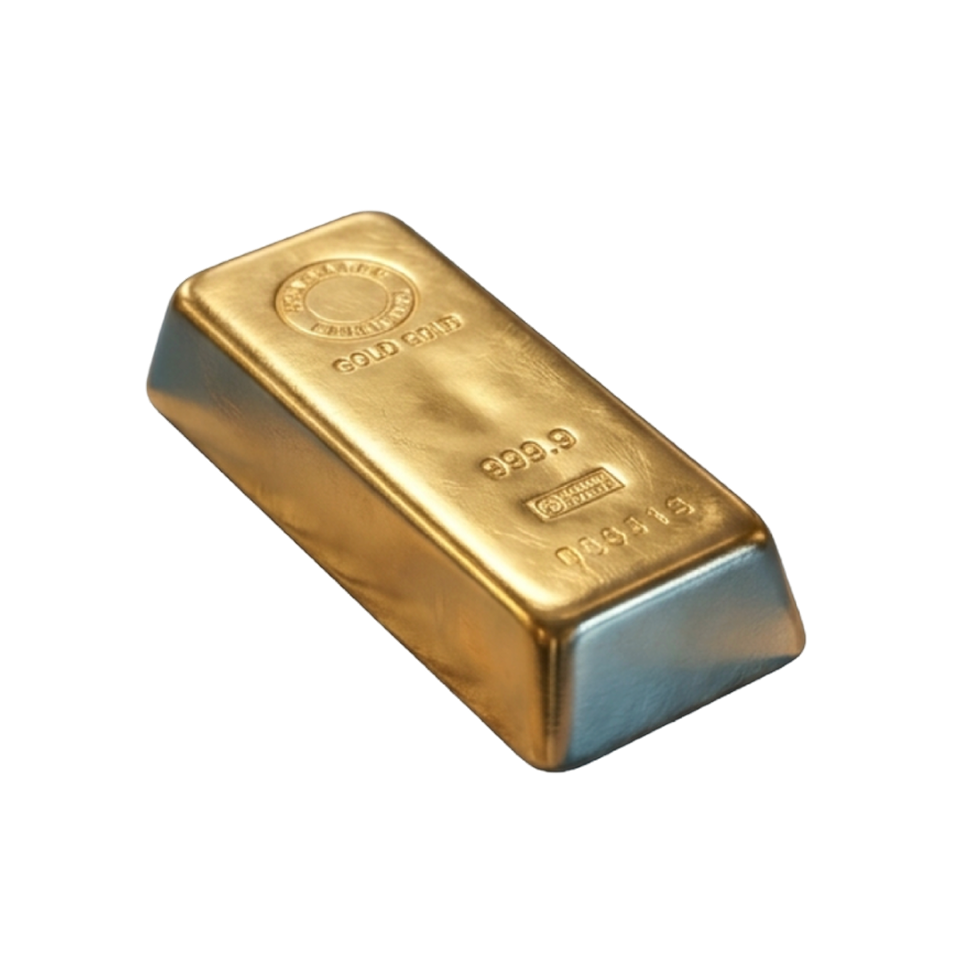
An ETH miner was a combination of hardware and software used to validate transactions on the Ethereum network under a system called Proof-of-Work (PoW).
In plain terms, your computer — or a dedicated ETH miner machine — would solve complex mathematical puzzles to confirm blocks of transactions.
Every time a miner successfully solved a puzzle, it earned a block reward paid in ETH.
Most miners ran GPU-based rigs, though specialized hardware known as an ETH ASIC miner (application-specific integrated circuit) later entered the market, offering higher efficiency than consumer graphics cards.
ETH miner software — such as Ethminer and PhoenixMiner — served as the bridge between your hardware and the Ethereum network, directing your GPU's computing power toward the mining algorithm (called Ethash).
For those without hardware, ETH cloud mining offered a way to rent hash power remotely — though the space carried significant fraud risk alongside uncertain profitability, and due diligence was always essential.
Mining pools were also common: groups of miners who combined their computing power and split the rewards proportionally, since solo mining against the entire network was rarely profitable for individuals.
- For historical process, see our guide on how to mine Ethereum — the historical process before the PoS transition
- Hardware details here — see our Ethereum miner explained guide — from GPU rigs to Ethereum Classic alternatives
- On the software side, read our Ethereum mining software explained guide covering tools, setup, and alternatives
Why ETH Miners Can No Longer Mine Ethereum
On September 15, 2022, Ethereum executed one of the most significant upgrades in blockchain history — an event known as The Merge.
- Readers still ask — see our direct answer in Can you mine Ethereum? Everything you need to know about the post-Merge reality
In a single upgrade, Ethereum permanently switched its consensus mechanism from Proof-of-Work to Proof-of-Stake (PoS), which meant miners were replaced by validators.
- PoS replaced mining — see our guide on Ethereum Proof of Stake: what it is, how it works, and why it matters
According to ethereum.org, this transition reduced Ethereum's energy consumption by approximately 99.95%.
Instead of running expensive hardware to solve computational puzzles, validators now secure the network by staking ETH as collateral — no mining rigs required.
The contrast between an ETH validator vs miner is stark: miners competed with electricity and hardware; validators compete with capital.
Existing ETH miner machines were rendered obsolete for Ethereum overnight, pushing most GPU miners toward alternative Proof-of-Work networks.
ETH mining is not paused or restricted — it is permanently gone from the Ethereum mainnet.
ETH Classic Miner: The Best Active Alternative for GPU and ASIC Mining
For anyone who still wants to mine using Ethereum-compatible hardware, Ethereum Classic (ETC) is the closest active option — and the most practical one.
According to ethereumclassic.org, ETC runs on the ETCHash algorithm, a direct modification of Ethereum's original Ethash, which means hardware previously used to mine ETH can typically be switched to ETC mining with minimal reconfiguration.
ETC remains a Proof-of-Work blockchain, which means miners still validate transactions and earn block rewards — the system that ETH abandoned in 2022.
When evaluating hardware, two main categories apply to an ETH Classic miner setup:
- GPU rigs — Graphics cards with at least 4 GB of VRAM, such as the NVIDIA RTX 3070 or AMD RX 6800 XT, remain compatible with ETCHash and offer flexibility for future repurposing.
- ETH ASIC miners — Dedicated machines such as the iPollo V2H or Bombax EZ100-C are purpose-built for ETCHash and deliver significantly higher efficiency than GPUs.
Before committing to any hardware, use a mining profitability calculator to input your hash rate, electricity cost, and current ETC price to estimate realistic daily returns.
Mining pools remain the standard approach for individual miners, as solo mining ETC is statistically difficult without a large hardware operation.
- ETC remains mineable — read our guide to Ethereum Classic (ETC): definition, history, and how it differs from Ethereum
ETH Validator vs Miner: How Staking Replaced ETH Mining
If running hardware isn't your goal but earning ETH still is, staking is the direct replacement for mining — and it's considerably simpler.
Under Ethereum's current Proof-of-Stake model, validators lock up ETH as collateral and earn rewards for helping secure the network, with no electricity bills, no cooling setups, and no hardware depreciation to manage.
According to ethereum.org, the annual issuance rate for staking rewards varies based on the total amount of ETH staked network-wide.
For smaller holders who can't meet the 32 ETH solo staking requirement, liquid staking offers a practical path: you contribute any amount of ETH, receive a liquid token representing your stake, and earn proportional rewards.
Compared to running a mining rig as an ETH profit miner, staking removes most of the operational overhead — making it the cleaner option for the majority of ETH holders today.
How to Buy ETH on MEXC Without a Miner
For anyone who wants ETH exposure without the complexity of mining or staking infrastructure, the most straightforward path is simply buying ETH on a reliable exchange.
On MEXC, the process is direct:
- Create an account — Register at MEXC and complete identity verification.
- Deposit funds — Add fiat or crypto to your MEXC wallet.
- Search for ETH — Navigate to the ETH trading pair of your choice.
- Place your order — Use a market order for instant execution or a limit order to target a specific price.
- Store your ETH — Withdraw to a personal wallet or keep it on MEXC for staking and trading access.
FAQ
Can you still mine ETH?
No — Ethereum permanently ended Proof-of-Work mining on September 15, 2022, with The Merge.
What is the difference between an ETH validator and a miner?
Miners secured the network using hardware and electricity under Proof-of-Work; validators secure it by staking ETH as collateral under Proof-of-Stake.
What is the best ETH miner for Ethereum Classic?
ETCHash-compatible ASICs (such as the iPollo V2H) and GPU rigs with at least 4 GB VRAM are the most commonly used hardware options for ETC mining.
How does an ETH miner calculator work?
You input your hardware's hash rate, your electricity cost per kWh, and the current coin price, and the calculator estimates your daily or monthly net profit.
Is ETH cloud mining worth it?
ETH cloud mining contracts carry significant profitability risk due to coin price volatility, fixed contract costs, and a history of fraudulent platforms — always verify any provider thoroughly before committing funds.
Is there an ETH miner ETF?
There is no ETF specifically tracking ETH mining companies the way some Bitcoin miner ETFs do, since Ethereum no longer uses Proof-of-Work; ETH ETFs instead track the price of ETH directly.
What is an ETH FPGA miner?
An FPGA (field-programmable gate array) miner is a configurable chip positioned between a GPU and an ASIC — it offers some efficiency gain over GPUs but is generally considered impractical for most miners due to high cost and technical complexity.
Conclusion
The era of the ETH miner is over on Ethereum itself, but the knowledge still matters.
Whether you're considering an ETH Classic miner setup, exploring staking, or simply buying and holding ETH, understanding where mining fits — and where it ended — puts you ahead of most beginners.
The crypto landscape keeps shifting, but the fundamentals don't: do your research, verify your sources, and never put more at risk than you can afford to lose.
- Miners now stake, not compute — see our full Ethereum guide for how Ethereum runs today.
市场机遇
以太坊实时价格 (ETH)
$2,267.44
$2,267.44$2,267.44
USD
以太坊 (ETH) 实时价格图表
热门加密动态
查看更多
Bitmine质押523万枚ETH压缩流通供给【MEXC Alpha Trader-行业日报(2026.10.27)】
一、宏观与市场情绪 · 行情数据:BTC $79,941(+0.43%)|ETH $2,319(+0.39%)|SOL $100(-0.44%) · 市场情绪:资金费率 +0.0100%|恐惧贪婪指数 48(中性) · 现货结构:Coinbase BTC溢价指数连续33天为负,最新为-0.1259%,显示区域现货买盘仍偏弱。延伸阅读 · 政策窗口:周四将公布美联储利率决议、美国第三季度GDP初值及
JPM Coin 正式上线以太坊:同样是链上美元,它和 USDC 究竟有何不同?
概述 摩根大通旗下的 Kinexys 于 10 月 19 日宣布,将其美元存款代币 JPM Coin(代码 JPMD)扩展至 Ethereum 主网。这不是一款新产品,而是一次链的扩展:JPM Coin 2025 年 6 月立项验证,2025 年 11 月先在 Base 上面向机构客户上线,此次扩展后支持机构客户在包含 Base 与 Ethereum 的 EVM 生态内进行点对点转账。 这件事之所
Sophon 宣布 11 月 25 日截止提币:用户资产紧急处理与操作指南
概述 Sophon 已要求用户在 11 月 25 日前把链上资产提走并领取相关奖励。据 Cointelegraph 的报道,该日期之后项目将开始关闭关键基础设施与相关网站,留在 Sophon Chain 上的资产有可能永久无法取回,涉及的资产包括 SOPH、ETH、USDC 以及链上其他代币。 实际上有两个日期需要分开记。按 KuCoin 转述的项目方公告,11 月 25 日是用户行动的截止日,此