

What is Etherscan? The Complete Guide to Ethereum Block Explorer

Key Takeaways
Table of Contents
What is Etherscan? Understanding the Ethereum Block Explorer
How Does Etherscan Work? The Blockchain Explorer Explained
Key Features of Etherscan: Transaction Tracking, Gas Tracker, and More
Transaction Tracking
Smart Contract Analysis
Account Balance and Token Holdings
Etherscan Gas Tracker
Token Tracker
Event Logs
Etherscan for Ethereum Testnets: Sepolia, Goerli, and More
What is Sepolia Etherscan?
Key Features of Sepolia Etherscan
- Smart Contract Testing: Developers can deploy, verify, and test smart contract functionality in a safe environment
- Network Information: Access detailed information about the Sepolia network, including settings and configuration options
- Real-time Monitoring: View the latest blocks and transactions as they occur on the testnet
- Balance Tracking: Monitor test ETH balances and token holdings
- Transaction Analysis: Examine transaction details including sender and receiver addresses, amounts, and timestamps
Other Ethereum Testnets
- Goerli Etherscan: A proof-of-authority testnet that remains popular among developers
- Holesky Etherscan: A newer testnet designed to eventually replace Goerli
- Rinkeby Etherscan: An older testnet that is being phased out but still referenced in many tutorials
How to Use Etherscan: Step-by-Step Guide to Transactions and Wallet Lookup
How to Check an Ethereum Transaction on Etherscan
- Visit Etherscan.io in your web browser.
- In the search bar at the top of the homepage, paste the transaction hash (also called TXID).
- Press Enter or click the search icon.
- Review the transaction details that appear, including:
- Transaction status (Success, Pending, or Failed)
- Block confirmation number
- Gas fees paid
- Sender and receiver addresses
- Transaction amount
- Timestamp showing when the transaction occurred
How to Look Up an Ethereum Address on Etherscan
- Go to Etherscan.io.
- Enter the Ethereum wallet address in the search bar.
- Press Enter to view the address details.
- You'll now see:
- The current ETH balance of the wallet
- A complete transaction history
- All tokens held by the address (both ERC-20 and NFTs)
- Analytics showing account value over time (in the Analytics tab)
How to Verify Smart Contracts on Etherscan
- Find the smart contract address and search for it on Etherscan.
- Click on the "Contract" tab.
- If the contract is verified, you'll see the source code and can interact with the contract functions.
- For verified contracts, you can use the "Read Contract" option to view information or "Write Contract" to interact with the contract (requires connecting a wallet).
How to Check Gas Fees on Etherscan
- On the Etherscan homepage, look for the Gas Tracker section.
- This shows current gas prices in Gwei for low, average, and high priority transactions.
- Click on the Gas Tracker for more detailed information.
- Use this information to set appropriate gas fees for your transactions.
How to Track Tokens and NFTs on Etherscan
- Enter the Ethereum wallet address in the search bar.
- Scroll down to find the "Tokens" section for ERC-20 tokens.
- Look for the "NFT Transfers" section to see NFTs (ERC-721 and ERC-1155 tokens).
- Click on any token for more detailed information.
Reading and Understanding Etherscan Data: Transactions, Smart Contracts, and Internal Transactions
Understanding Transaction Details
- Transaction Hash: A unique identifier for the transaction.
- Status: Indicates whether the transaction was successful, pending, or failed.
- Block: The block number where the transaction was included.
- Timestamp: When the transaction occurred.
- From/To: The sending and receiving addresses.
- Value: The amount of ETH transferred.
- Transaction Fee: The cost of processing the transaction, paid to miners/validators.
- Gas Price: The price per unit of gas, measured in Gwei.
- Gas Limit/Used: The maximum gas allocated and the actual amount used.
Understanding Wallet Information
- ETH Balance: The current amount of Ethereum in the wallet.
- Token Holdings: All ERC-20 tokens owned by the address.
- NFT Holdings: All non-fungible tokens owned by the address.
- Transaction History: A chronological list of all transactions involving the address.
- Multichain Portfolio: Shows cryptocurrency holdings across multiple blockchains (available for some addresses).
Understanding Smart Contract Data
- Contract Code: The source code if the contract is verified.
- Contract Creator: The address that deployed the contract.
- Creation Transaction: Details about when the contract was created.
- Read Contract: Functions to view contract data without making changes.
- Write Contract: Functions that change the contract state (requires gas).
- Events: Records of important actions that have occurred within the contract.
What are Internal Transactions?
Benefits of Using Etherscan: Transaction Verification and Token Approval Checker
Transparency and Security
Scam Prevention
Market Analysis
- Tracking large transactions ("whale movements")
- Monitoring DeFi protocol activities
- Observing token distributions
- Analyzing on-chain trends that might impact prices
Wallet Monitoring
Etherscan Alternatives and Similar Block Explorers
Etherchain
Blockchair
Ethplorer
TokenView
- Blockchain.com for Bitcoin
- SolScan for Solana
- BscScan for Binance Smart Chain
- PolygonScan for Polygon
Advanced Tips for Using Etherscan API and Etherscan Gas Price Tools
Using the Token Approval Checker
Optimizing Gas Costs
Analyzing Whale Movements
Verifying Contract Source Code
Setting Up Alerts
Etherscan FAQs
Q1. Is Etherscan a free service?
Q2. Is Etherscan safe and legitimate?
Q3. Can I use Etherscan to send or receive ETH?
Q4. Why can't I find my transaction on Etherscan?
Q5. Does Etherscan work for other blockchains besides Ethereum?
Q6. How do I verify that a smart contract is safe?
Conclusion
関連記事
もっと見る
MEXC vs Azbit:ETH先物を月10回往復取引した場合の手数料はそれぞれいくら?
成行注文でエントリーし指値注文で決済する18,000 USDTの往復取引を月10回行った場合、Azbitでは月126 USDT、MEXCのETHUSDTでは18 USDTです。 手数料以外では、CoinGeckoはAzbitを10点満点中6点と評価する一方、Trustpilotのユーザー評価は5点満点中1.6点です。 Key Takeaways 手動でETH先物を取引するトレーダーへのおすすめはM
MEXC vs CoinUp.io:週2回のETH先物取引、手数料の差はどれくらい?
差は約6倍です。60,000 USDTのETHポジションで成行注文による新規建てと決済を年104回繰り返すと、手数料はCoinUp.ioで7,488 USDT、MEXCのETHUSDTでは1,248 USDTになります。 CoinGeckoはCoinUp.ioの大きな申告取引高を集計していますが、同取引所の評価は10点中3点で、MEXCは9点です。 Key Takeaways ETH先物を手動で取
MEXC vs BVOX(旧Bitvenus):ETHスイングトレードの年間手数料はいくら?
ETHのスイングトレードでは、MEXCのほうがBVOXより安くなります。12,000 USDTの取引を指値で建てて成行で決済する場合、年96回でMEXCは約115 USDT、BVOXは1,152 USDTかかります。 一方、BVOXには2つの強みがあります。CoinGeckoのデータでは平均の現物スプレッドが狭く、ボット向けの先物基本手数料もMEXCのAPI手数料体系より低く設定されています。 K
人気記事
もっと見る
MEXCでIPOを取引する方法:上場前・上場中・上場後の適切な商品の選び方
IPOは一つの瞬間ではなく、三つの段階から成ります。上場前には、Pre-IPO Launchpad がイベントベースのエクスポージャーを提供し、Pre-IPO先物は評価期待を取引します。公募時には、IPO Launchpad と IPO Express が異なる仕組みで機能し、決済方法も異なります。上場後には、株式、トークン化株式、株式先物が同じ株式を参照しても、異なる請求権を生み出すことができま

実物株式、トークン化株式、株式コントラクト、ETFの選び方
米国企業へのエクスポージャーは、現金株、ETF、資産担保型トークン化株式、または株式先物などの株式デリバティブといった、いくつかの異なるラッパーを通じて得ることができます。これらの金融商品は同じ企業を参照しながらも、異なる法的請求権、流動性、取引時間、コスト、レバレッジ、コーポレートアクションの扱い、およびカウンターパーティリスクを生み出します。したがって、商品比較は、類似した価格チャートが同等の

株連動商品におけるプレミアム、ディスカウント、およびトラッキングエラー
株式連動商品は、同じ企業やベンチマークを参照しながらも、市場価格、合計得点、手数料、流動性、法的構造において異なる場合があります。プレミアムまたはディスカウント、トラッキングディファレンス、トラッキングエラーという3つの測定値が混同されることがよくあります。これらは異なる質問に答えます。プレミアムまたはディスカウントは、定義された参照に対する時点のギャップです。トラッキングディファレンスは、期間中
人気暗号資産情報
もっと見る
CoinEx Smart Chain(CSC)がサービス終了へ:CET保有者とユーザーが知るべき注意点
概要 暗号通貨業界のインフラの急速な反復と競争が激化するにつれて、取引所が独立した公共チェーンを構築する黄金時代は加速的に幕を閉じている。CoinEx傘下のイーサリアム仮想マシンと互換性のある分散化公共チェーンとして、CoinEx Smart Chainは正式にネットワーク終了実行プログラムを起動し、関連検証ノード、公共RPCインタフェースと公式クロスチェーンブリッジサービスはすべて停止したタイマ

爱呜呜(爱呜呜)とは?暗号通貨の入門ガイド
爱呜呜(爱呜呜)とは正確には何か? 爱呜呜(爱呜呜)は、コミュニティ主導のエンターテインメントとバイラルナラティブに焦点を当てた分散型ミームコインエコシステムを支えるブロックチェーンベースの暗号通貨です。2026年初頭にローンチされた爱呜呜(爱呜呜)は、ミームコインセクターと暗号通貨市場における楽しくて魅力的なコンテンツの欠如に対処するために開発されました。Binance Smart Chainの

人生K線 (Life K-line) とは?暗号通貨の紹介
人生K線 (Life K-line) とは一体何か? 人生K線 (Life K-line) は、Binance Smart Chain(BSC)エコシステム上で動作するブロックチェーンベースの暗号通貨トークンです。コミュニティ主導のプロジェクトとして立ち上げられた人生K線は、ローソク足チャート(K線チャート)の比喩を通じて人生の予測不可能な性質を祝うために作られました。このチャートは価格トレンド、

トレンドニュース
もっと見る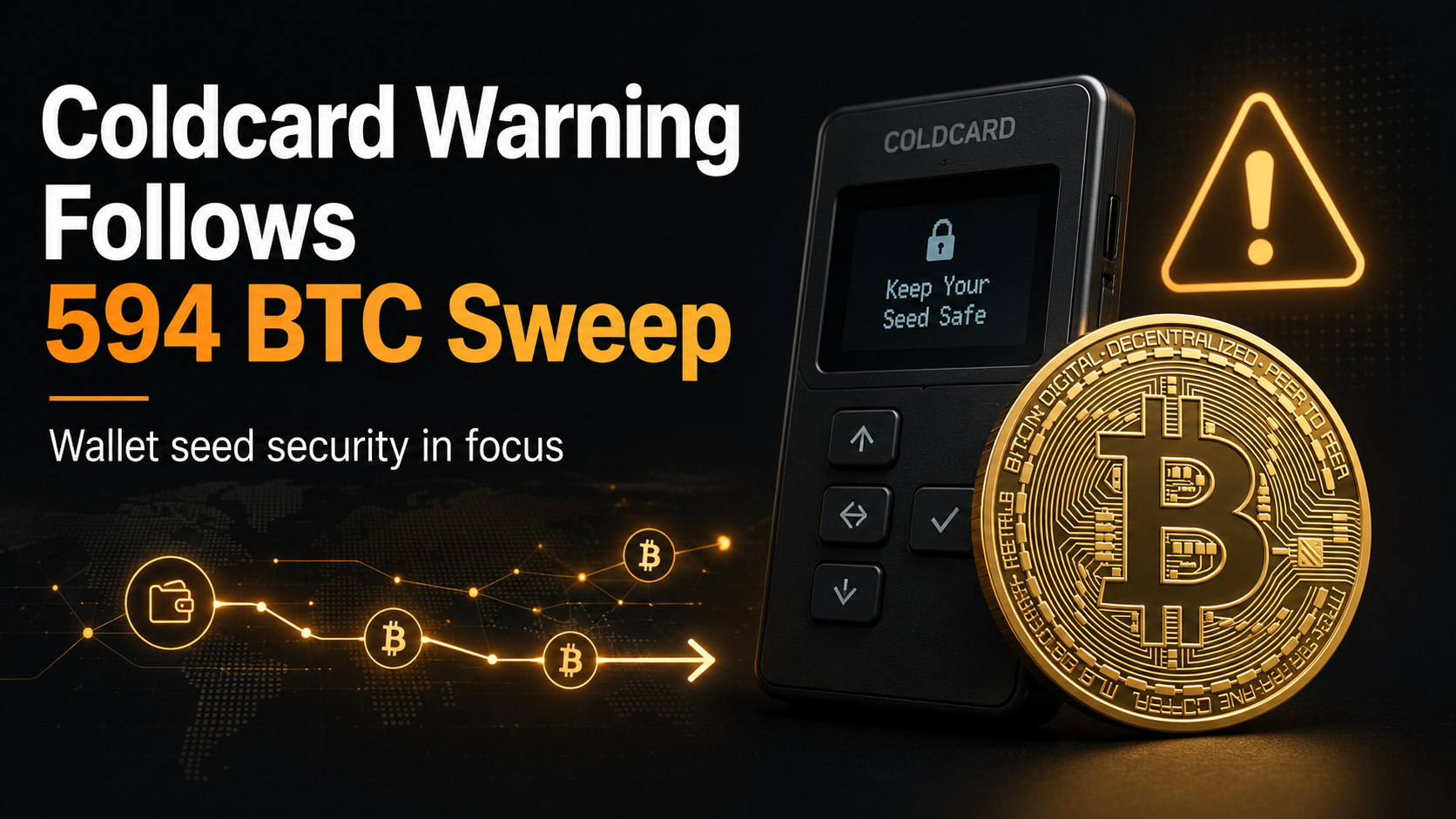
Coldcard Mk3の警告、3800万ドル相当のBitcoin掃討後に発生、原因は未確認
ビットコインハードウェアウォレットメーカーのCoinkiteは、4.0.1以降のすべてのMk3ファームウェアバージョンを含むColdcardデバイスに影響を与えるシード生成の問題についてユーザーに警告しました。この警告は、セキュリティ研究者が約3,800万ドル相当の594.48 BTCの組織的な移転を調査している中で出されました。しかし、Coldcardの問題がこれらの送金を引き起こしたことを確認
Bitget、日本市場撤退へ 12月末に未決済ポジション強制決済
Bitgetが2026年8月3日に日本居住者向けサービス終了を発表。12月31日までに未決済ポジションを決済しないと強制決済されるため、資産保有者は期限までの対応が必要です。


MEXCコミュニティに参加する
公式Telegramチャネルから、最新の上場情報・イベント・アップデートをリアルタイムで受け取れます。



