

Prediction markets are expanding rapidly, but their growth is running into a major US regulatory dispute. On September 24, New York Attorney General Letitia James sued Polymarket, alleging that its USPrediction markets are expanding rapidly, but their growth is running into a major US regulatory dispute. On September 24, New York Attorney General Letitia James sued Polymarket, alleging that its US
Polymarket New York Lawsuit Explained: Why Regulators Are Targeting Prediction Markets

Prediction markets are expanding rapidly, but their growth is running into a major US regulatory dispute. On September 24, New York Attorney General Letitia James sued Polymarket, alleging that its US platform operates as an illegal, unlicensed gambling business. Hours later, Polymarket filed its own federal lawsuit seeking to stop New York officials from regulating it.
1.New York’s Case Against Polymarket
New York’s lawsuit argues that Polymarket’s event contracts amount to gambling because users put money behind uncertain outcomes that they cannot control. The state says Polymarket operated in New York without obtaining a license from the New York State Gaming Commission and avoided requirements applied to licensed gambling operators. It is seeking civil penalties, forfeiture of alleged illegal gains and customer restitution.
New York says Polymarket allowed users aged 18 to 20, while the state requires 21 for mobile sports betting. Officials argue that prediction markets offering sports contracts should fall under New York’s gambling framework, particularly when users stake money on sporting outcomes. Similar arguments have been made against Kalshi, Coinbase Financial Markets and Gemini.
Polymarket disputes that characterization. Its chief legal officer, Neal Kumar, said the company had tried to engage with New York officials over their concerns and described its markets as fair, transparent and legal. The dispute therefore centers on whether event contracts are gambling under state law or financial products under federal oversight.
2.The Bigger Fight Over Who Regulates Prediction Markets
Polymarket’s response became part of the legal battle when it sued James and other New York officials in Manhattan federal court. It seeks to block state regulation, arguing federal oversight should take precedence. This creates a clash between state gambling authorities and federal oversight.
The Commodity Futures Trading Commission has asserted authority over federally regulated prediction markets, while several states have challenged platforms offering sports and other event contracts. Courts are now being asked to address where state gambling laws end and federal commodities regulation begins. Federal appeals courts are divided over aspects of this question, potentially bringing higher courts into the dispute.
Prediction markets can cover elections, economic indicators, entertainment and other events. Supporters describe them as markets for measurable outcomes, while regulators argue that some contracts function like wagers. The distinction could determine licensing, consumer protections, taxation and regulatory authority.
3.What the Lawsuit Means for Polymarket and the Industry
The outcome is not a final ruling on whether Polymarket is legally a gambling platform. The competing cases must move through court, leaving open whether prediction markets can expand nationally under differing state gambling laws. The legal process could therefore have implications well beyond New York.
The case could affect how other platforms approach US expansion. New York is already pursuing legal action involving other prediction-market businesses, showing that Polymarket is part of a broader regulatory confrontation rather than an isolated dispute. If states continue challenging contracts, platforms may face different rules depending on where users are located.
Users should check whether a prediction market is available and permitted in their jurisdiction before trading. Market availability can also change as court decisions and regulatory actions develop. Availability in one state does not automatically mean identical legal treatment elsewhere.
Conclusion
The Polymarket-New York lawsuit puts the future regulatory structure of prediction markets under renewed scrutiny. New York says Polymarket is operating an unlicensed gambling business, while Polymarket argues that state officials should not regulate its federally governed market. The courts will now determine how those competing positions interact under current law and regulation.
FAQs
Q1Why is New York suing Polymarket?
New York alleges that Polymarket operates an unlicensed gambling business and violates state gambling laws.
Q2:What does Polymarket say?
Polymarket disputes New York’s position and has filed a federal lawsuit challenging the state’s attempt to regulate its prediction market.
Q3:Does the lawsuit mean Polymarket is is illegal everywhere?
No. The case concerns New York’s laws and does not by itself establish a nationwide legal ruling.
Q4:Could this affect other prediction markets?
Yes. The outcome could provide guidance for other platforms facing similar disputes over state gambling laws and federal oversight.
Disclaimer: This article is for educational and informational purposes only and does not constitute legal, financial or trading advice, digital assets carry significant risks so do your own research before making any financial decisions.
市场机遇
4实时价格 (4)
$0.018381
$0.018381$0.018381
USD
4 (4) 实时价格图表
本页面分享的文章均源自公开平台,仅供参考。该内容不代表 MEXC 的立场或观点。所有版权归 Mubashir 所有。如果您认为任何内容侵犯了第三方的权益,请联系 [email protected] 以便及时删除。 MEXC 不保证任何内容的准确性、完整性或及时性,且不对基于所提供信息而采取的任何行动负责。本内容不构成财务、法律或其他专业建议,亦不应被解释为 MEXC 的推荐或认可。如需专家见解和深入分析,请造访 MEXC 学院。
4 最新动态
查看更多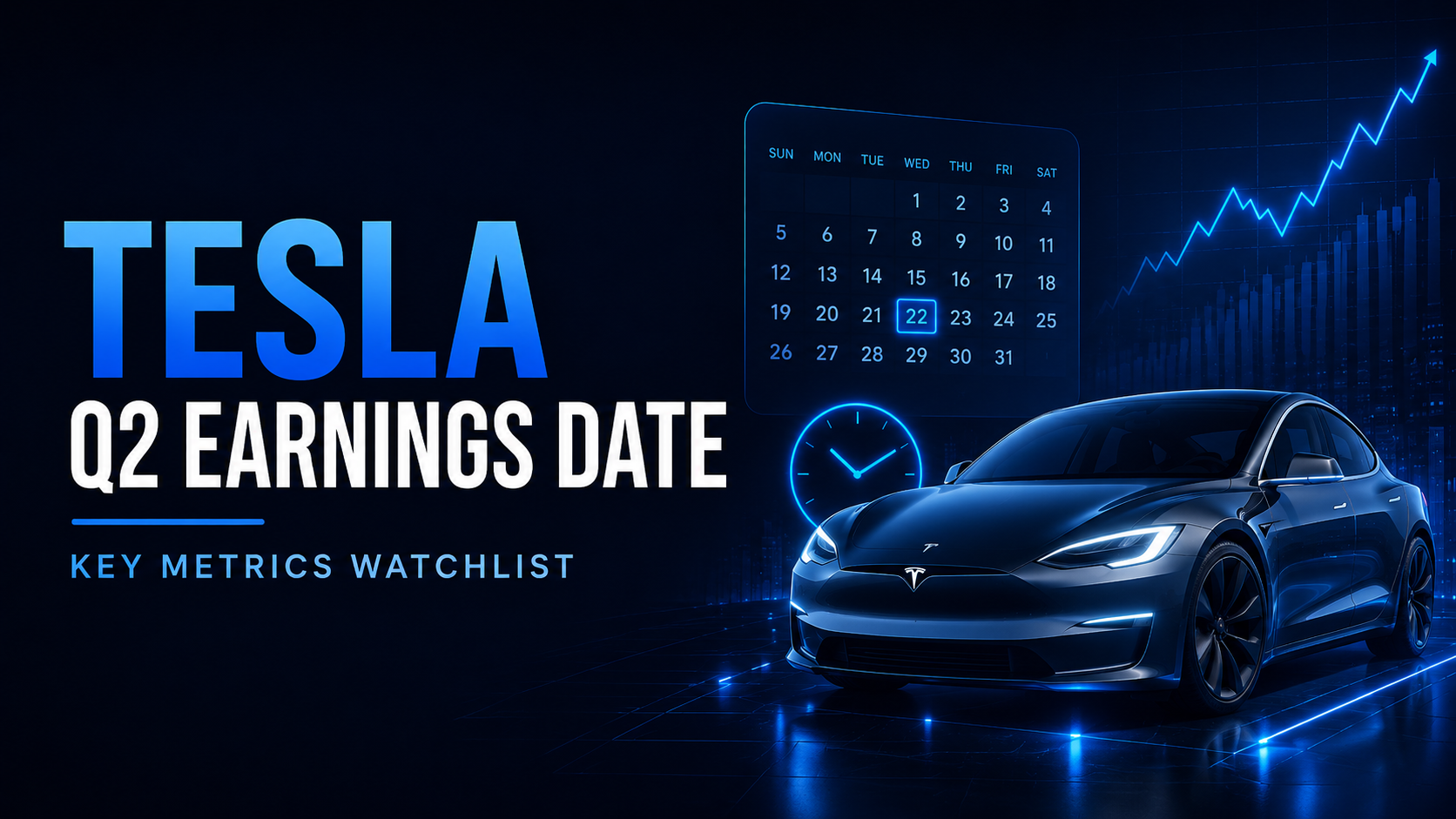
特斯拉2026年第二季度财报日期:发布时间、网络直播及关键指标
特斯拉2026年第二季度财报定于2026年7月22日(星期三)美国股市收盘后发布,管理层计划于美国中部时间下午4:30 / 东部时间下午5:30主持实时Q&A网络直播。第二季度的更新和网络直播将通过特斯拉的投资者关系网站提供,并在电话会议后提供存档重播。
这不仅仅是另一个普通的特斯拉财报日。特斯拉已经报告了超预期的交付季度:在2026年第二季度,公司生产了451,758辆汽车,交付了480,126辆汽车,并部署了13.5 GWh的储能产品。
对于交易员来说,关键问题不再是特斯拉是否交付了更多汽车,这部分已经是已知事实。真正的问题是,这些交付是否足够盈利,储能业务的增长是否能支撑特斯拉更宏大的愿景,以及管理层能否证明其在人工智能、自动驾驶和Robotaxi(无人驾驶出租车)领域的投资正从“叙事”走向可衡量的业务进展。
2026/07/06
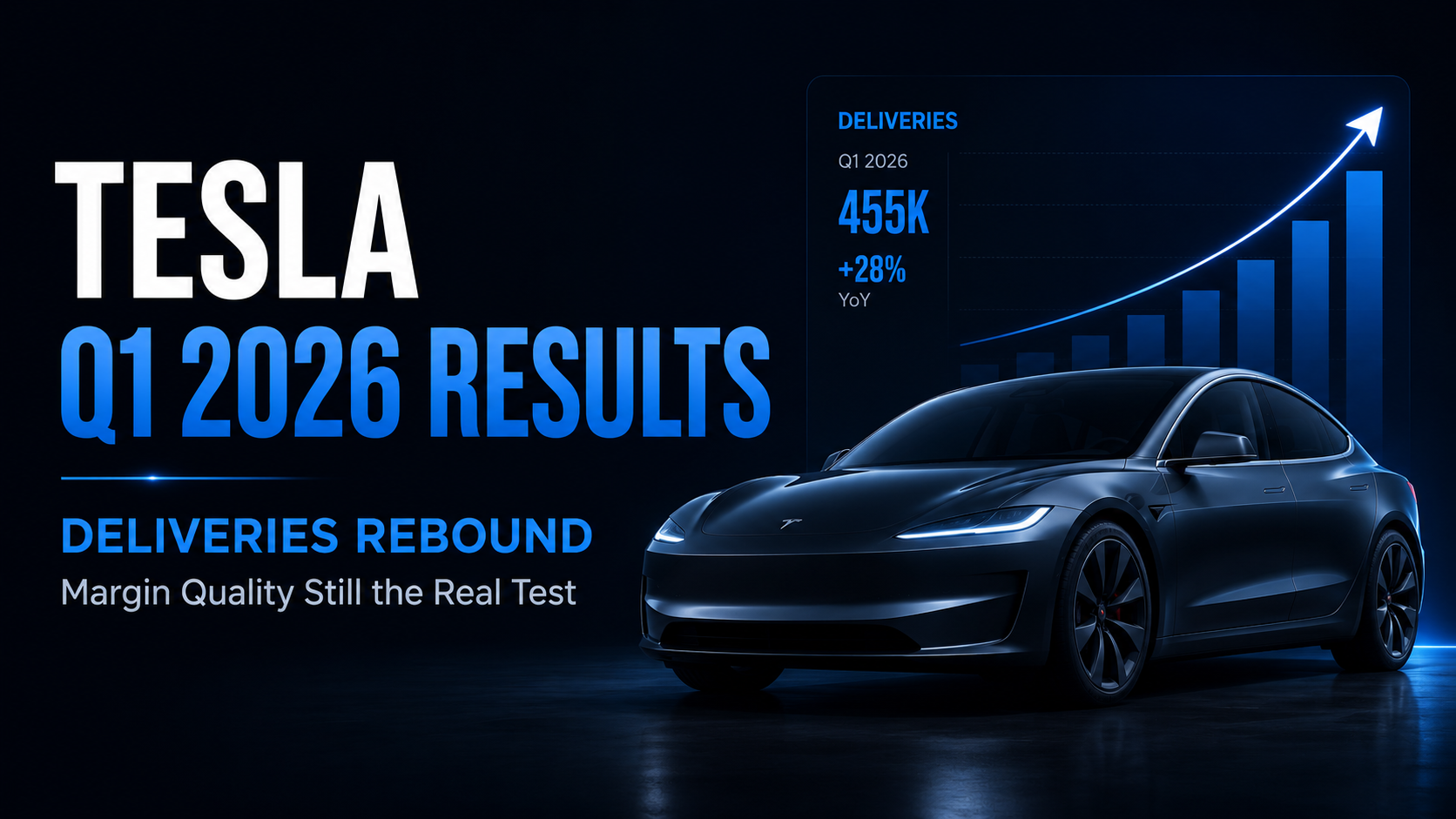
特斯拉2026年第一季度财报回顾:交付量反弹,但利润率质量仍是真正的考验
特斯拉于2026年4月22日美国股市收盘后公布了其2026年第一季度的财务业绩。该公司本季度交付了358,023辆汽车,创造了224亿美元的总营收,并报告归属于普通股股东的GAAP净利润为4.77亿美元。总GAAP毛利率提升至21.1%,而营业利润率达到4.2%。
核心信号不仅在于特斯拉的交付量从去年同期的疲软基数中恢复。更重要的问题是:更高的交付量、FSD相关营收、更低的单车成本以及改善的汽车毛利率,能否重建市场对特斯拉盈利能力的信心。对于寻找下一次TSLA财报日期或关注特斯拉财报的投资者来说,第一季度的表现为第二季度设立了一个关键考验:即销量的增长能否可持续地转化为更高质量的收益。
2026/07/09
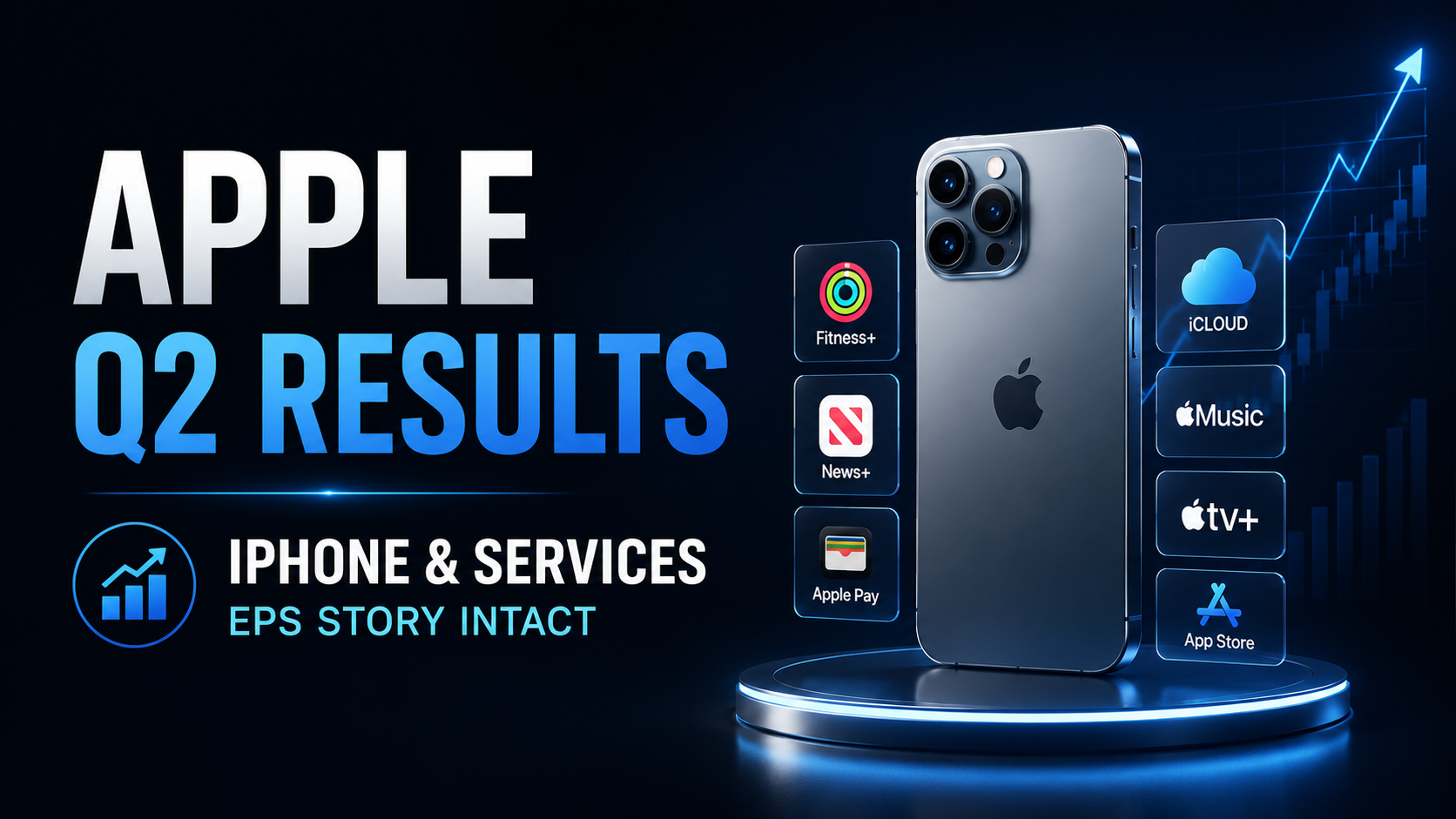
苹果 2026 财年第二季度财报回顾:iPhone 营收与服务业务增长维持 EPS 预期
苹果于 2026 年 4 月 30 日发布了 2026 财年第二季度财报,涵盖截至 2026 年 3 月 28 日的季度。总营收达到 1112 亿美元,同比增长 17%,摊薄后每股收益(EPS)增长 22% 至 2.01 美元。苹果表示,该季度创下了公司 3 月份季度的总营收、iPhone 营收和 EPS 纪录,同时服务业务营收也创下历史新高。
这不仅仅是一份常规的硬件周期财报。苹果第二季度的业绩证明,iPhone 需求、服务业务增长以及积极的资本回报计划仍在共同支撑着该公司强大的 EPS 增长故事。对于寻找下一个苹果财报或 AAPL 财报更新的投资者而言,未来的关键问题是,在市场等待更强劲的 AI 和产品周期催化剂之际,苹果能否维持其溢价估值。
2026/07/09


您可能也会喜欢
热门
目前热门备受市场关注的加密货币
加密货币价格
按交易量计算交易量最大的加密货币