BitcoinWorld LBTC Token Expansion: Lombard Finance Unleashes New Possibilities on Solana Exciting news is brewing in the world of decentralized finance (DeFi)! Lombard Finance (BARD), a prominent Bitcoin DeFi firm, recently made a significant announcement: its innovative LBTC token expansion is coming to the Solana blockchain. This strategic move is set to create waves, offering new avenues for liquidity and utility for Bitcoin holders within the rapidly growing Solana ecosystem. According to The Block, this development marks a pivotal moment for cross-chain interoperability. Understanding LBTC: The Core of This Token Expansion Lombard Finance developed LBTC as a liquid staking Bitcoin token. But what exactly does that mean for you, the user? Essentially, LBTC allows Bitcoin holders to participate in DeFi activities while still retaining access to their BTC’s value. It’s like having your cake and eating it too – your Bitcoin remains liquid and usable, generating potential yield in the DeFi space. The upcoming LBTC token expansion to Solana is a game-changer because it extends this powerful utility to a new, high-performance blockchain. Solana is renowned for its speed, low transaction costs, and scalability, making it an attractive destination for DeFi projects looking to reach a wider audience and offer a smoother user experience. Liquidity: Keep your Bitcoin accessible while it’s earning potential rewards. Yield Generation: Participate in DeFi protocols to potentially earn rewards. Interoperability: Bridge Bitcoin’s established value to other blockchain ecosystems. Why Solana is Key for LBTC Token Expansion Lombard Finance’s decision to choose Solana for its LBTC token expansion is a highly strategic one. Solana boasts a robust infrastructure that supports high transaction throughput and near-instant finality. These features are crucial for the fast-paced world of DeFi, where efficiency directly impacts user experience and protocol performance. This move positions LBTC to tap into Solana’s vibrant developer community and its rapidly expanding user base. Consider the immense impact: bringing Bitcoin’s deep liquidity to Solana’s efficient network can unlock new financial primitives and opportunities. It’s a powerful synergy, combining the established trust and value of Bitcoin with the innovative, high-speed capabilities of Solana. This integration promises a more seamless and cost-effective DeFi experience for everyone involved. High Throughput: Solana handles thousands of transactions per second, ideal for DeFi. Low Fees: Significantly reduces the cost of DeFi interactions, benefiting users. Scalability: Built to support massive growth and adoption without congestion. Vibrant Ecosystem: Home to a diverse range of innovative DeFi applications and protocols. Where Will LBTC Token Expansion Integrate on Solana? The LBTC token expansion isn’t just about arriving on Solana; it’s about integrating into its core DeFi infrastructure. Lombard Finance plans to supply LBTC to several leading Solana-based platforms. This ensures immediate utility and broad accessibility. According to the announcement, these key integrations include: Jupiter: A prominent decentralized exchange (DEX) aggregator, enhancing liquidity for LBTC. Drift: A leading perpetuals DEX, offering new trading and leverage possibilities for LBTC holders. Kamino: A concentrated liquidity manager, optimizing yield strategies and capital efficiency for LBTC. Meteora: A dynamic liquidity protocol, further deepening market access and utility for LBTC. These integrations are vital. They ensure that LBTC will be immediately usable and accessible across a spectrum of DeFi services, from trading and lending to yield farming. This widespread availability will significantly boost LBTC’s utility and adoption within the Solana ecosystem, fostering a more robust and interconnected DeFi landscape. Benefits for Users: What the LBTC Token Expansion Means for You For users, the LBTC token expansion translates into more options and greater flexibility. If you’re a Bitcoin holder, you now have a new pathway to leverage your assets within a high-performance DeFi environment. This could mean: Accessing new yield opportunities that were previously unavailable on other chains. Participating in faster, cheaper transactions, making DeFi more accessible. Diversifying your DeFi portfolio across different blockchains, enhancing risk management. Engaging with innovative Solana protocols using your Bitcoin’s value. While exciting, users should always conduct their own research (DYOR) before engaging with any DeFi protocol. Understanding the risks associated with smart contracts, impermanent loss, and protocol security is crucial for navigating this innovative space safely and effectively. The Broader Impact of LBTC Token Expansion on DeFi The LBTC token expansion represents a significant step towards a more interconnected and liquid DeFi landscape. It highlights a growing trend where projects aim to bridge the vast liquidity of Bitcoin with the innovative capabilities of other high-throughput blockchains. This cross-chain collaboration is essential for the long-term growth and maturation of the entire crypto ecosystem. It pushes the boundaries of what’s possible, fostering greater efficiency and accessibility. Ultimately, Lombard Finance’s move is a testament to the ongoing evolution of DeFi, pushing boundaries and creating more efficient, accessible financial tools for everyone. It’s a compelling vision of a future where digital assets flow seamlessly across chains, unlocking unprecedented value and fostering a truly global decentralized financial system. Summary: Bridging Bitcoin to Solana’s Future Lombard Finance’s announcement to bring its LBTC liquid staking Bitcoin token to the Solana blockchain marks a pivotal moment for both ecosystems. This strategic LBTC token expansion promises to unlock new liquidity, enhance user experience through Solana’s speed and low costs, and integrate seamlessly with leading DeFi protocols like Jupiter, Drift, Kamino, and Meteora. As the DeFi space continues to mature, such cross-chain initiatives are vital for fostering innovation and providing users with more robust and versatile financial tools. The future of Bitcoin DeFi on Solana looks incredibly bright, offering a glimpse into a more interconnected and efficient decentralized world. Frequently Asked Questions (FAQs) What is LBTC? LBTC is a liquid staking Bitcoin token developed by Lombard Finance. It allows Bitcoin holders to utilize their BTC in DeFi protocols while maintaining liquidity and potential for yield generation. Why is Lombard Finance expanding LBTC to Solana? Lombard Finance is expanding LBTC to Solana to leverage Solana’s high speed, low transaction costs, and scalability. This move aims to enhance liquidity, improve user experience, and tap into Solana’s vibrant DeFi ecosystem. Which Solana protocols will integrate LBTC? Lombard Finance plans to supply LBTC to several leading Solana-based platforms, including Jupiter (DEX aggregator), Drift (perpetuals DEX), Kamino (liquidity manager), and Meteora (dynamic liquidity protocol). What are the main benefits of this LBTC token expansion for users? Users will benefit from new yield opportunities, faster and cheaper transactions, increased flexibility in managing their Bitcoin assets, and the ability to engage with a wider range of DeFi protocols on Solana. Is it safe to use LBTC on Solana DeFi protocols? While the LBTC token expansion opens exciting opportunities, users should always conduct thorough research (DYOR) on any DeFi protocol. Understand the inherent risks associated with smart contracts, impermanent loss, and platform security before committing funds. Did you find this article insightful? Share it with your network and help spread the word about the exciting developments in cross-chain DeFi! To learn more about the latest crypto market trends, explore our article on key developments shaping Bitcoin institutional adoption. This post LBTC Token Expansion: Lombard Finance Unleashes New Possibilities on Solana first appeared on BitcoinWorld and is written by Editorial TeamBitcoinWorld LBTC Token Expansion: Lombard Finance Unleashes New Possibilities on Solana Exciting news is brewing in the world of decentralized finance (DeFi)! Lombard Finance (BARD), a prominent Bitcoin DeFi firm, recently made a significant announcement: its innovative LBTC token expansion is coming to the Solana blockchain. This strategic move is set to create waves, offering new avenues for liquidity and utility for Bitcoin holders within the rapidly growing Solana ecosystem. According to The Block, this development marks a pivotal moment for cross-chain interoperability. Understanding LBTC: The Core of This Token Expansion Lombard Finance developed LBTC as a liquid staking Bitcoin token. But what exactly does that mean for you, the user? Essentially, LBTC allows Bitcoin holders to participate in DeFi activities while still retaining access to their BTC’s value. It’s like having your cake and eating it too – your Bitcoin remains liquid and usable, generating potential yield in the DeFi space. The upcoming LBTC token expansion to Solana is a game-changer because it extends this powerful utility to a new, high-performance blockchain. Solana is renowned for its speed, low transaction costs, and scalability, making it an attractive destination for DeFi projects looking to reach a wider audience and offer a smoother user experience. Liquidity: Keep your Bitcoin accessible while it’s earning potential rewards. Yield Generation: Participate in DeFi protocols to potentially earn rewards. Interoperability: Bridge Bitcoin’s established value to other blockchain ecosystems. Why Solana is Key for LBTC Token Expansion Lombard Finance’s decision to choose Solana for its LBTC token expansion is a highly strategic one. Solana boasts a robust infrastructure that supports high transaction throughput and near-instant finality. These features are crucial for the fast-paced world of DeFi, where efficiency directly impacts user experience and protocol performance. This move positions LBTC to tap into Solana’s vibrant developer community and its rapidly expanding user base. Consider the immense impact: bringing Bitcoin’s deep liquidity to Solana’s efficient network can unlock new financial primitives and opportunities. It’s a powerful synergy, combining the established trust and value of Bitcoin with the innovative, high-speed capabilities of Solana. This integration promises a more seamless and cost-effective DeFi experience for everyone involved. High Throughput: Solana handles thousands of transactions per second, ideal for DeFi. Low Fees: Significantly reduces the cost of DeFi interactions, benefiting users. Scalability: Built to support massive growth and adoption without congestion. Vibrant Ecosystem: Home to a diverse range of innovative DeFi applications and protocols. Where Will LBTC Token Expansion Integrate on Solana? The LBTC token expansion isn’t just about arriving on Solana; it’s about integrating into its core DeFi infrastructure. Lombard Finance plans to supply LBTC to several leading Solana-based platforms. This ensures immediate utility and broad accessibility. According to the announcement, these key integrations include: Jupiter: A prominent decentralized exchange (DEX) aggregator, enhancing liquidity for LBTC. Drift: A leading perpetuals DEX, offering new trading and leverage possibilities for LBTC holders. Kamino: A concentrated liquidity manager, optimizing yield strategies and capital efficiency for LBTC. Meteora: A dynamic liquidity protocol, further deepening market access and utility for LBTC. These integrations are vital. They ensure that LBTC will be immediately usable and accessible across a spectrum of DeFi services, from trading and lending to yield farming. This widespread availability will significantly boost LBTC’s utility and adoption within the Solana ecosystem, fostering a more robust and interconnected DeFi landscape. Benefits for Users: What the LBTC Token Expansion Means for You For users, the LBTC token expansion translates into more options and greater flexibility. If you’re a Bitcoin holder, you now have a new pathway to leverage your assets within a high-performance DeFi environment. This could mean: Accessing new yield opportunities that were previously unavailable on other chains. Participating in faster, cheaper transactions, making DeFi more accessible. Diversifying your DeFi portfolio across different blockchains, enhancing risk management. Engaging with innovative Solana protocols using your Bitcoin’s value. While exciting, users should always conduct their own research (DYOR) before engaging with any DeFi protocol. Understanding the risks associated with smart contracts, impermanent loss, and protocol security is crucial for navigating this innovative space safely and effectively. The Broader Impact of LBTC Token Expansion on DeFi The LBTC token expansion represents a significant step towards a more interconnected and liquid DeFi landscape. It highlights a growing trend where projects aim to bridge the vast liquidity of Bitcoin with the innovative capabilities of other high-throughput blockchains. This cross-chain collaboration is essential for the long-term growth and maturation of the entire crypto ecosystem. It pushes the boundaries of what’s possible, fostering greater efficiency and accessibility. Ultimately, Lombard Finance’s move is a testament to the ongoing evolution of DeFi, pushing boundaries and creating more efficient, accessible financial tools for everyone. It’s a compelling vision of a future where digital assets flow seamlessly across chains, unlocking unprecedented value and fostering a truly global decentralized financial system. Summary: Bridging Bitcoin to Solana’s Future Lombard Finance’s announcement to bring its LBTC liquid staking Bitcoin token to the Solana blockchain marks a pivotal moment for both ecosystems. This strategic LBTC token expansion promises to unlock new liquidity, enhance user experience through Solana’s speed and low costs, and integrate seamlessly with leading DeFi protocols like Jupiter, Drift, Kamino, and Meteora. As the DeFi space continues to mature, such cross-chain initiatives are vital for fostering innovation and providing users with more robust and versatile financial tools. The future of Bitcoin DeFi on Solana looks incredibly bright, offering a glimpse into a more interconnected and efficient decentralized world. Frequently Asked Questions (FAQs) What is LBTC? LBTC is a liquid staking Bitcoin token developed by Lombard Finance. It allows Bitcoin holders to utilize their BTC in DeFi protocols while maintaining liquidity and potential for yield generation. Why is Lombard Finance expanding LBTC to Solana? Lombard Finance is expanding LBTC to Solana to leverage Solana’s high speed, low transaction costs, and scalability. This move aims to enhance liquidity, improve user experience, and tap into Solana’s vibrant DeFi ecosystem. Which Solana protocols will integrate LBTC? Lombard Finance plans to supply LBTC to several leading Solana-based platforms, including Jupiter (DEX aggregator), Drift (perpetuals DEX), Kamino (liquidity manager), and Meteora (dynamic liquidity protocol). What are the main benefits of this LBTC token expansion for users? Users will benefit from new yield opportunities, faster and cheaper transactions, increased flexibility in managing their Bitcoin assets, and the ability to engage with a wider range of DeFi protocols on Solana. Is it safe to use LBTC on Solana DeFi protocols? While the LBTC token expansion opens exciting opportunities, users should always conduct thorough research (DYOR) on any DeFi protocol. Understand the inherent risks associated with smart contracts, impermanent loss, and platform security before committing funds. Did you find this article insightful? Share it with your network and help spread the word about the exciting developments in cross-chain DeFi! To learn more about the latest crypto market trends, explore our article on key developments shaping Bitcoin institutional adoption. This post LBTC Token Expansion: Lombard Finance Unleashes New Possibilities on Solana first appeared on BitcoinWorld and is written by Editorial Team


LBTC Token Expansion: Lombard Finance Unleashes New Possibilities on Solana

2025/08/28 22:25

BitcoinWorld

LBTC Token Expansion: Lombard Finance Unleashes New Possibilities on Solana

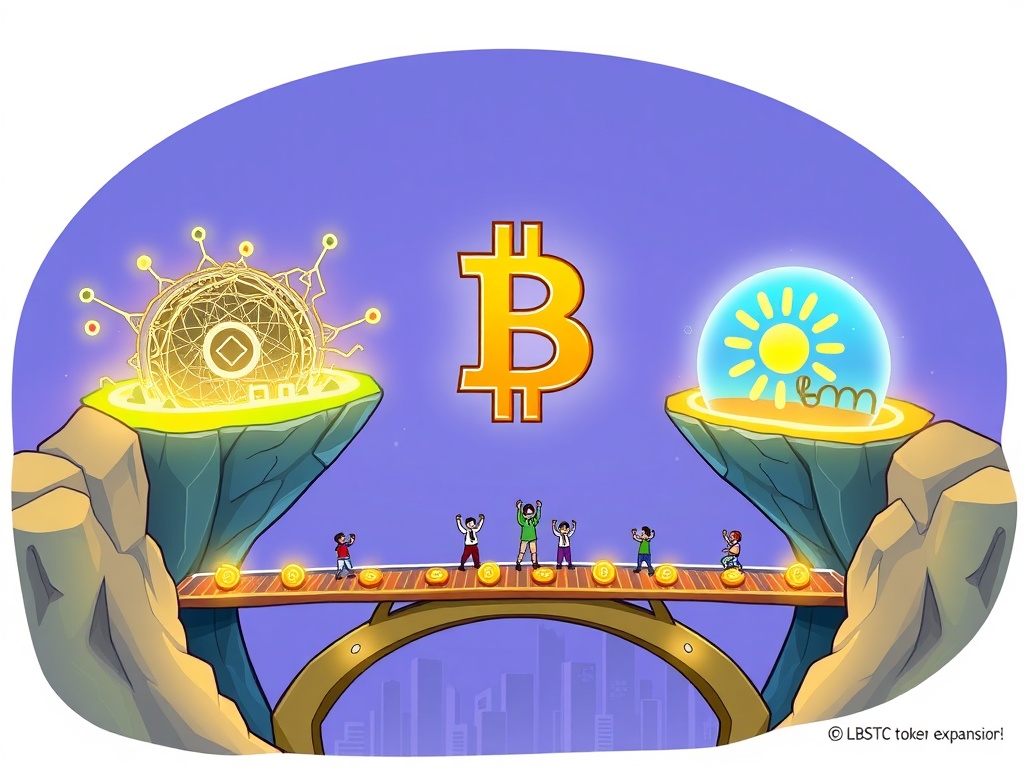
Exciting news is brewing in the world of decentralized finance (DeFi)! Lombard Finance (BARD), a prominent Bitcoin DeFi firm, recently made a significant announcement: its innovative LBTC token expansion is coming to the Solana blockchain. This strategic move is set to create waves, offering new avenues for liquidity and utility for Bitcoin holders within the rapidly growing Solana ecosystem. According to The Block, this development marks a pivotal moment for cross-chain interoperability.

Understanding LBTC: The Core of This Token Expansion

Lombard Finance developed LBTC as a liquid staking Bitcoin token. But what exactly does that mean for you, the user? Essentially, LBTC allows Bitcoin holders to participate in DeFi activities while still retaining access to their BTC’s value. It’s like having your cake and eating it too – your Bitcoin remains liquid and usable, generating potential yield in the DeFi space.

The upcoming LBTC token expansion to Solana is a game-changer because it extends this powerful utility to a new, high-performance blockchain. Solana is renowned for its speed, low transaction costs, and scalability, making it an attractive destination for DeFi projects looking to reach a wider audience and offer a smoother user experience.

  • Liquidity: Keep your Bitcoin accessible while it’s earning potential rewards.
  • Yield Generation: Participate in DeFi protocols to potentially earn rewards.
  • Interoperability: Bridge Bitcoin’s established value to other blockchain ecosystems.

Why Solana is Key for LBTC Token Expansion

Lombard Finance’s decision to choose Solana for its LBTC token expansion is a highly strategic one. Solana boasts a robust infrastructure that supports high transaction throughput and near-instant finality. These features are crucial for the fast-paced world of DeFi, where efficiency directly impacts user experience and protocol performance. This move positions LBTC to tap into Solana’s vibrant developer community and its rapidly expanding user base.

Consider the immense impact: bringing Bitcoin’s deep liquidity to Solana’s efficient network can unlock new financial primitives and opportunities. It’s a powerful synergy, combining the established trust and value of Bitcoin with the innovative, high-speed capabilities of Solana. This integration promises a more seamless and cost-effective DeFi experience for everyone involved.

  • High Throughput: Solana handles thousands of transactions per second, ideal for DeFi.
  • Low Fees: Significantly reduces the cost of DeFi interactions, benefiting users.
  • Scalability: Built to support massive growth and adoption without congestion.
  • Vibrant Ecosystem: Home to a diverse range of innovative DeFi applications and protocols.

Where Will LBTC Token Expansion Integrate on Solana?

The LBTC token expansion isn’t just about arriving on Solana; it’s about integrating into its core DeFi infrastructure. Lombard Finance plans to supply LBTC to several leading Solana-based platforms. This ensures immediate utility and broad accessibility. According to the announcement, these key integrations include:

  • Jupiter: A prominent decentralized exchange (DEX) aggregator, enhancing liquidity for LBTC.
  • Drift: A leading perpetuals DEX, offering new trading and leverage possibilities for LBTC holders.
  • Kamino: A concentrated liquidity manager, optimizing yield strategies and capital efficiency for LBTC.
  • Meteora: A dynamic liquidity protocol, further deepening market access and utility for LBTC.

These integrations are vital. They ensure that LBTC will be immediately usable and accessible across a spectrum of DeFi services, from trading and lending to yield farming. This widespread availability will significantly boost LBTC’s utility and adoption within the Solana ecosystem, fostering a more robust and interconnected DeFi landscape.

Benefits for Users: What the LBTC Token Expansion Means for You

For users, the LBTC token expansion translates into more options and greater flexibility. If you’re a Bitcoin holder, you now have a new pathway to leverage your assets within a high-performance DeFi environment. This could mean:

  • Accessing new yield opportunities that were previously unavailable on other chains.
  • Participating in faster, cheaper transactions, making DeFi more accessible.
  • Diversifying your DeFi portfolio across different blockchains, enhancing risk management.
  • Engaging with innovative Solana protocols using your Bitcoin’s value.

While exciting, users should always conduct their own research (DYOR) before engaging with any DeFi protocol. Understanding the risks associated with smart contracts, impermanent loss, and protocol security is crucial for navigating this innovative space safely and effectively.

The Broader Impact of LBTC Token Expansion on DeFi

The LBTC token expansion represents a significant step towards a more interconnected and liquid DeFi landscape. It highlights a growing trend where projects aim to bridge the vast liquidity of Bitcoin with the innovative capabilities of other high-throughput blockchains. This cross-chain collaboration is essential for the long-term growth and maturation of the entire crypto ecosystem. It pushes the boundaries of what’s possible, fostering greater efficiency and accessibility.

Ultimately, Lombard Finance’s move is a testament to the ongoing evolution of DeFi, pushing boundaries and creating more efficient, accessible financial tools for everyone. It’s a compelling vision of a future where digital assets flow seamlessly across chains, unlocking unprecedented value and fostering a truly global decentralized financial system.

Summary: Bridging Bitcoin to Solana’s Future

Lombard Finance’s announcement to bring its LBTC liquid staking Bitcoin token to the Solana blockchain marks a pivotal moment for both ecosystems. This strategic LBTC token expansion promises to unlock new liquidity, enhance user experience through Solana’s speed and low costs, and integrate seamlessly with leading DeFi protocols like Jupiter, Drift, Kamino, and Meteora. As the DeFi space continues to mature, such cross-chain initiatives are vital for fostering innovation and providing users with more robust and versatile financial tools. The future of Bitcoin DeFi on Solana looks incredibly bright, offering a glimpse into a more interconnected and efficient decentralized world.

Frequently Asked Questions (FAQs)

What is LBTC?

LBTC is a liquid staking Bitcoin token developed by Lombard Finance. It allows Bitcoin holders to utilize their BTC in DeFi protocols while maintaining liquidity and potential for yield generation.

Why is Lombard Finance expanding LBTC to Solana?

Lombard Finance is expanding LBTC to Solana to leverage Solana’s high speed, low transaction costs, and scalability. This move aims to enhance liquidity, improve user experience, and tap into Solana’s vibrant DeFi ecosystem.

Which Solana protocols will integrate LBTC?

Lombard Finance plans to supply LBTC to several leading Solana-based platforms, including Jupiter (DEX aggregator), Drift (perpetuals DEX), Kamino (liquidity manager), and Meteora (dynamic liquidity protocol).

What are the main benefits of this LBTC token expansion for users?

Users will benefit from new yield opportunities, faster and cheaper transactions, increased flexibility in managing their Bitcoin assets, and the ability to engage with a wider range of DeFi protocols on Solana.

Is it safe to use LBTC on Solana DeFi protocols?

While the LBTC token expansion opens exciting opportunities, users should always conduct thorough research (DYOR) on any DeFi protocol. Understand the inherent risks associated with smart contracts, impermanent loss, and platform security before committing funds.

Did you find this article insightful? Share it with your network and help spread the word about the exciting developments in cross-chain DeFi!

To learn more about the latest crypto market trends, explore our article on key developments shaping Bitcoin institutional adoption.

This post LBTC Token Expansion: Lombard Finance Unleashes New Possibilities on Solana first appeared on BitcoinWorld and is written by Editorial Team

Piyasa Fırsatı
NEAR Logosu
NEAR Fiyatı(NEAR)
$1.527
$1.527$1.527
-0.45%
USD
NEAR (NEAR) Canlı Fiyat Grafiği
Sorumluluk Reddi: Bu sitede yeniden yayınlanan makaleler, halka açık platformlardan alınmıştır ve yalnızca bilgilendirme amaçlıdır. MEXC'nin görüşlerini yansıtmayabilir. Tüm hakları telif sahiplerine aittir. Herhangi bir içeriğin üçüncü taraf haklarını ihlal ettiğini düşünüyorsanız, kaldırılması için lütfen [email protected] ile iletişime geçin. MEXC, içeriğin doğruluğu, eksiksizliği veya güncelliği konusunda hiçbir garanti vermez ve sağlanan bilgilere dayalı olarak alınan herhangi bir eylemden sorumlu değildir. İçerik, finansal, yasal veya diğer profesyonel tavsiye niteliğinde değildir ve MEXC tarafından bir tavsiye veya onay olarak değerlendirilmemelidir.

Ayrıca Şunları da Beğenebilirsiniz

The Channel Factories We’ve Been Waiting For

The Channel Factories We’ve Been Waiting For

The post The Channel Factories We’ve Been Waiting For appeared on BitcoinEthereumNews.com. Visions of future technology are often prescient about the broad strokes while flubbing the details. The tablets in “2001: A Space Odyssey” do indeed look like iPads, but you never see the astronauts paying for subscriptions or wasting hours on Candy Crush.  Channel factories are one vision that arose early in the history of the Lightning Network to address some challenges that Lightning has faced from the beginning. Despite having grown to become Bitcoin’s most successful layer-2 scaling solution, with instant and low-fee payments, Lightning’s scale is limited by its reliance on payment channels. Although Lightning shifts most transactions off-chain, each payment channel still requires an on-chain transaction to open and (usually) another to close. As adoption grows, pressure on the blockchain grows with it. The need for a more scalable approach to managing channels is clear. Channel factories were supposed to meet this need, but where are they? In 2025, subnetworks are emerging that revive the impetus of channel factories with some new details that vastly increase their potential. They are natively interoperable with Lightning and achieve greater scale by allowing a group of participants to open a shared multisig UTXO and create multiple bilateral channels, which reduces the number of on-chain transactions and improves capital efficiency. Achieving greater scale by reducing complexity, Ark and Spark perform the same function as traditional channel factories with new designs and additional capabilities based on shared UTXOs.  Channel Factories 101 Channel factories have been around since the inception of Lightning. A factory is a multiparty contract where multiple users (not just two, as in a Dryja-Poon channel) cooperatively lock funds in a single multisig UTXO. They can open, close and update channels off-chain without updating the blockchain for each operation. Only when participants leave or the factory dissolves is an on-chain transaction…
Paylaş
BitcoinEthereumNews2025/09/18 00:09
SOLANA NETWORK Withstands 6 Tbps DDoS Without Downtime

SOLANA NETWORK Withstands 6 Tbps DDoS Without Downtime

The post SOLANA NETWORK Withstands 6 Tbps DDoS Without Downtime appeared on BitcoinEthereumNews.com. In a pivotal week for crypto infrastructure, the Solana network
Paylaş
BitcoinEthereumNews2025/12/16 20:44
Crucial Fed Rate Cut: October Probability Surges to 94%

Crucial Fed Rate Cut: October Probability Surges to 94%

BitcoinWorld Crucial Fed Rate Cut: October Probability Surges to 94% The financial world is buzzing with a significant development: the probability of a Fed rate cut in October has just seen a dramatic increase. This isn’t just a minor shift; it’s a monumental change that could ripple through global markets, including the dynamic cryptocurrency space. For anyone tracking economic indicators and their impact on investments, this update from the U.S. interest rate futures market is absolutely crucial. What Just Happened? Unpacking the FOMC Statement’s Impact Following the latest Federal Open Market Committee (FOMC) statement, market sentiment has decisively shifted. Before the announcement, the U.S. interest rate futures market had priced in a 71.6% chance of an October rate cut. However, after the statement, this figure surged to an astounding 94%. This jump indicates that traders and analysts are now overwhelmingly confident that the Federal Reserve will lower interest rates next month. Such a high probability suggests a strong consensus emerging from the Fed’s latest communications and economic outlook. A Fed rate cut typically means cheaper borrowing costs for businesses and consumers, which can stimulate economic activity. But what does this really signify for investors, especially those in the digital asset realm? Why is a Fed Rate Cut So Significant for Markets? When the Federal Reserve adjusts interest rates, it sends powerful signals across the entire financial ecosystem. A rate cut generally implies a more accommodative monetary policy, often enacted to boost economic growth or combat deflationary pressures. Impact on Traditional Markets: Stocks: Lower interest rates can make borrowing cheaper for companies, potentially boosting earnings and making stocks more attractive compared to bonds. Bonds: Existing bonds with higher yields might become more valuable, but new bonds will likely offer lower returns. Dollar Strength: A rate cut can weaken the U.S. dollar, making exports cheaper and potentially benefiting multinational corporations. Potential for Cryptocurrency Markets: The cryptocurrency market, while often seen as uncorrelated, can still react significantly to macro-economic shifts. A Fed rate cut could be interpreted as: Increased Risk Appetite: With traditional investments offering lower returns, investors might seek higher-yielding or more volatile assets like cryptocurrencies. Inflation Hedge Narrative: If rate cuts are perceived as a precursor to inflation, assets like Bitcoin, often dubbed “digital gold,” could gain traction as an inflation hedge. Liquidity Influx: A more accommodative monetary environment generally means more liquidity in the financial system, some of which could flow into digital assets. Looking Ahead: What Could This Mean for Your Portfolio? While the 94% probability for a Fed rate cut in October is compelling, it’s essential to consider the nuances. Market probabilities can shift, and the Fed’s ultimate decision will depend on incoming economic data. Actionable Insights: Stay Informed: Continue to monitor economic reports, inflation data, and future Fed statements. Diversify: A diversified portfolio can help mitigate risks associated with sudden market shifts. Assess Risk Tolerance: Understand how a potential rate cut might affect your specific investments and adjust your strategy accordingly. This increased likelihood of a Fed rate cut presents both opportunities and challenges. It underscores the interconnectedness of traditional finance and the emerging digital asset space. Investors should remain vigilant and prepared for potential volatility. The financial landscape is always evolving, and the significant surge in the probability of an October Fed rate cut is a clear signal of impending change. From stimulating economic growth to potentially fueling interest in digital assets, the implications are vast. Staying informed and strategically positioned will be key as we approach this crucial decision point. The market is now almost certain of a rate cut, and understanding its potential ripple effects is paramount for every investor. Frequently Asked Questions (FAQs) Q1: What is the Federal Open Market Committee (FOMC)? A1: The FOMC is the monetary policymaking body of the Federal Reserve System. It sets the federal funds rate, which influences other interest rates and economic conditions. Q2: How does a Fed rate cut impact the U.S. dollar? A2: A rate cut typically makes the U.S. dollar less attractive to foreign investors seeking higher returns, potentially leading to a weakening of the dollar against other currencies. Q3: Why might a Fed rate cut be good for cryptocurrency? A3: Lower interest rates can reduce the appeal of traditional investments, encouraging investors to seek higher returns in alternative assets like cryptocurrencies. It can also be seen as a sign of increased liquidity or potential inflation, benefiting assets like Bitcoin. Q4: Is a 94% probability a guarantee of a rate cut? A4: While a 94% probability is very high, it is not a guarantee. Market probabilities reflect current sentiment and data, but the Federal Reserve’s final decision will depend on all available economic information leading up to their meeting. Q5: What should investors do in response to this news? A5: Investors should stay informed about economic developments, review their portfolio diversification, and assess their risk tolerance. Consider how potential changes in interest rates might affect different asset classes and adjust strategies as needed. Did you find this analysis helpful? Share this article with your network to keep others informed about the potential impact of the upcoming Fed rate cut and its implications for the financial markets! To learn more about the latest crypto market trends, explore our article on key developments shaping Bitcoin price action. This post Crucial Fed Rate Cut: October Probability Surges to 94% first appeared on BitcoinWorld.
Paylaş
Coinstats2025/09/18 02:25