Defiant DeFi Industry Rejects Citadel’s Push for Stricter Tokenized Securities Rules
BitcoinWorld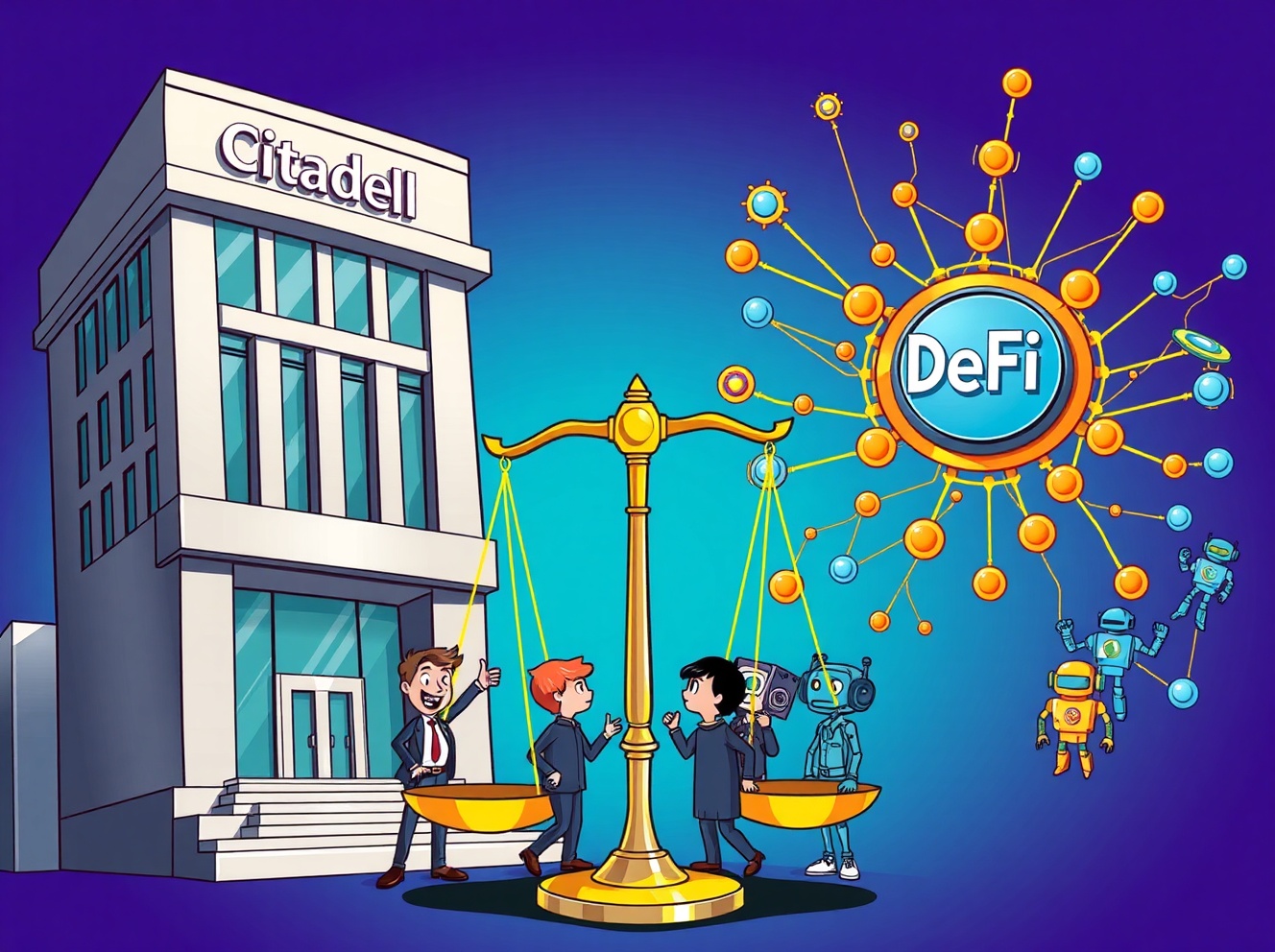
Defiant DeFi Industry Rejects Citadel’s Push for Stricter Tokenized Securities Rules
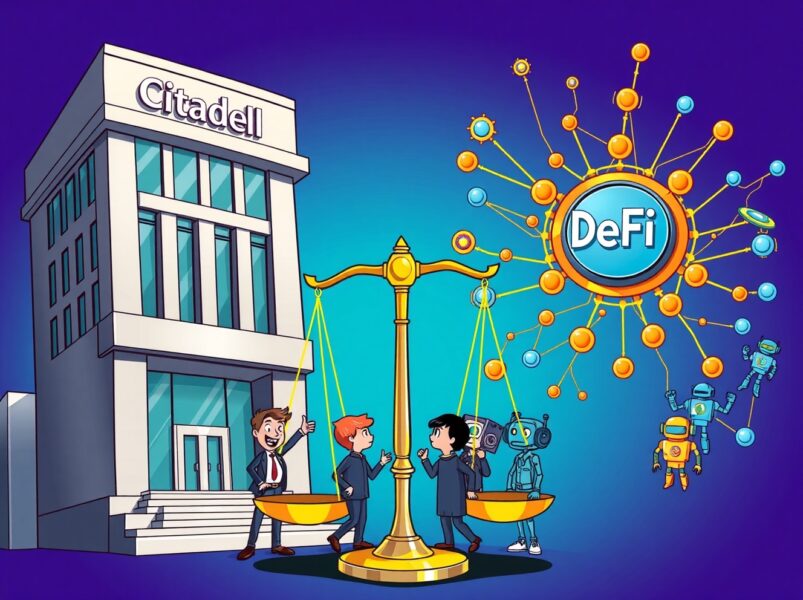
A major clash is unfolding in the world of finance. The decentralized finance (DeFi) industry is defiantly pushing back against a powerful Wall Street player. Citadel Securities, a giant market maker, wants stricter rules for tokenized securities. However, key DeFi advocates argue this would stifle crucial innovation. This regulatory showdown could shape the future of digital assets.
Why is Citadel Calling for Stricter Tokenized Securities Rules?
Citadel Securities sent a formal letter to the U.S. Securities and Exchange Commission (SEC). Their core argument focuses on the nature of DeFi platforms. Citadel claims that while many projects claim to be “decentralized,” they often have identifiable intermediaries. These can include core developers or governance groups that control protocol updates. Therefore, Citadel opposes any regulatory exemptions for platforms offering tokenized securities, like tokenized stocks or bonds. They believe a consistent regulatory framework is necessary for investor protection and market integrity.
How is the DeFi Industry Fighting Back?
In a powerful rebuttal, a coalition of major industry voices has responded. The group includes the DeFi Education Fund, venture firm Andreessen Horowitz (a16z), the Chamber of Digital Commerce, and the Uniswap Foundation. Their counter-argument to the SEC is fundamentally different. They state that autonomous software itself cannot be considered an “intermediary” under existing legal definitions. In true DeFi protocols, they argue, traders always maintain direct control of their assets through self-custody wallets. The code merely executes pre-programmed functions without human discretion. This distinction is at the heart of the debate over tokenized securities regulation.
What’s the Real Stakes in This Debate?
This isn’t just a theoretical legal argument. The outcome has real-world consequences for the evolution of finance. Here are the core issues at play:
- Innovation vs. Protection: Stricter rules could slow DeFi development but might offer clearer investor safeguards.
- Definition of Control: The fight centers on whether software code or human actors are in control of tokenized securities transactions.
- Market Access: Regulation will determine how easily traditional assets like stocks can be represented and traded on blockchain networks.
The DeFi coalition warns that applying old rules to new technology could cripple a promising financial frontier before it matures.
What Does This Mean for the Future of DeFi?
This confrontation highlights a critical growing pain for the crypto industry. As tokenized securities gain traction, regulatory clarity becomes essential. However, the path to that clarity is fraught with disagreement. The DeFi industry’s defiant stance shows its growing confidence and political organization. They are no longer just technologists but engaged policy advocates. The SEC’s response to these conflicting letters will be closely watched. It will signal whether U.S. regulators lean toward Wall Street’s caution or the crypto industry’s plea for a tailored, innovation-friendly approach.
In conclusion, the battle lines are drawn. On one side, traditional finance giants like Citadel seek to bring tokenized securities under familiar, strict oversight. On the other, the DeFi industry defiantly champions a new regulatory paradigm fit for autonomous technology. This clash is not just about rules; it’s about who gets to define the next generation of global markets.
Frequently Asked Questions (FAQs)
What are tokenized securities?
Tokenized securities are traditional financial assets, like stocks or bonds, that are represented as digital tokens on a blockchain. They aim to make these assets easier to trade and settle.
What is Citadel Securities’ main concern?
Citadel is concerned that DeFi platforms offering tokenized securities might not be as decentralized as claimed. They argue that identifiable intermediaries exist and should be regulated to protect investors.
What is the DeFi industry’s key argument against stricter rules?
The industry argues that truly decentralized protocols are just autonomous software. Since users maintain control of their assets via self-custody, the software itself shouldn’t be classified as a regulated financial intermediary.
Who are the groups defending DeFi in this case?
Major groups include the DeFi Education Fund, venture capital firm Andreessen Horowitz (a16z), the Chamber of Digital Commerce, and the Uniswap Foundation.
Why does this regulatory debate matter?
The outcome will set a precedent for how decentralized finance is governed. It will determine if innovation is prioritized or if traditional regulatory models are forcefully applied, potentially stifling new technology.
What happens next?
The U.S. Securities and Exchange Commission (SEC) will review the arguments from both sides. Their future rulemaking or enforcement actions regarding tokenized securities will be guided by this debate.
Did you find this breakdown of the DeFi vs. Citadel clash helpful? The future of finance is being written now. Share this article on Twitter or LinkedIn to continue the conversation with your network.
To learn more about the latest trends in crypto regulation, explore our article on key developments shaping the future of institutional adoption in digital assets.
This post Defiant DeFi Industry Rejects Citadel’s Push for Stricter Tokenized Securities Rules first appeared on BitcoinWorld.
Ayrıca Şunları da Beğenebilirsiniz

BitMine Expands Treasury Holdings with $140 Million Ethereum Acquisition

Hyper Foundation Proposes Validator Vote to Burn Assistance Fund Tokens