

Mongolia Regulates Crypto Exchanges Through Financial Watchdog FRC
Mongolia has built its own legal framework for crypto exchanges with the Law on Virtual Asset Service Providers (VASP Law, also referred to as the VPSP Law), passed in December 2021 and entered into force in February 2022. Registration and supervision fall to the Financial Regulatory Commission (FRC), Mongolia’s financial markets regulator. At the same time, the central bank, the Bank of Mongolia (Mongolbank), keeps repeating one point: cryptocurrencies are not legal tender in Mongolia.
What the law actually does
The core principle is simple: the FRC registers trading platforms (exchanges), not the coins or tokens traded on them. Any company that wants to offer virtual asset services in Mongolia – running a trading platform, custody, or transfer of crypto assets – must register with the FRC and meet requirements on anti-money laundering and counter-terrorist financing (AML/CFT), customer identification (KYC), and risk disclosure to users.
The law traces back to a Financial Action Task Force (FATF) recommendation. Since 2018, FATF Recommendation 15 has explicitly covered virtual assets and virtual asset service providers under its global AML standards. Mongolia had been placed on an FATF grey list over AML deficiencies back in 2019 and was removed in 2020, but committed to keep implementing FATF standards going forward. The VASP Law is part of that commitment.
Two regulators, two jobs
Oversight is split between two authorities:
- Financial Regulatory Commission (FRC): registers providers of trading and custody services for virtual assets, supervises their ongoing operations, capital requirements and governance structure, and runs risk-based inspections.
- Bank of Mongolia (Mongolbank): oversees certain payment-related virtual asset services, and runs AML/CFT monitoring of the financial sector – including crypto providers – through its Financial Information Unit (FIU).
The FRC began formally registering providers in June 2022. Exchanges already operating beforehand had to register within a transition period. Roughly a dozen providers are now registered with the FRC, offering trading in several hundred recognized virtual assets; industry sources put registered users at over 900,000 by mid-2023.
Exchanges get licensed – coins don’t
One common misunderstanding worth clearing up: FRC registration is not an approval or vetting of individual cryptocurrencies. What gets reviewed and registered is the company operating the trading platform – not the specific coin or token traded on it. Token issuers generally don’t need separate government approval under current law, unless the token qualifies as a security token, in which case it falls under the Securities Market Law and FRC oversight as a security.
Still not legal tender
Regardless of how exchanges are licensed, the Bank of Mongolia keeps reiterating its position: cryptocurrencies are not recognized as legal tender in Mongolia, and are not treated as a means of payment under either the National Payment System Law or the Law on Conducting Settlement in National Currency. Trading Bitcoin, Ether or other crypto assets through a registered exchange is allowed – but using crypto as everyday payment is not officially sanctioned.
The bigger picture
Mongolia is following a pattern seen in several emerging markets with FATF obligations: rather than an outright ban or a hands-off approach, it licenses intermediaries while keeping a hard line on currency status. For investors, that means an FRC registration signals AML/KYC compliance by the exchange operator – it’s not a guarantee about the quality of any individual coin listed, and it’s not a government endorsement of crypto as money.
Primary Sources
- Financial Regulatory Commission Mongolia – official website
- Bank of Mongolia – Financial Information Unit (FIU), AML/CFT oversight
- Mongolbank FIU – “Virtual asset service providers” page (guidance / risk-based approach)
- Mongolbank FIU – interview with B. Batbaatar on crypto regulation
- Bank of Mongolia – official website
- Mongolia Unveils National Productivity Master Plan 2026–2035 to Boost Growth and Competitiveness
- MONTSAME (state news agency) – report on the VASP Law entering into force
The post Mongolia Regulates Crypto Exchanges Through Financial Watchdog FRC appeared first on Bitcoin News Asia.


Ayrıca Şunları da Beğenebilirsiniz
Tech companies dealing with data center protests locally are fighting a losing battle: Only 8% of opponents actually live near one
Mexican Peso Faces Bearish Pressure Against US Dollar Ahead of Banxico Meeting: Societe Generale
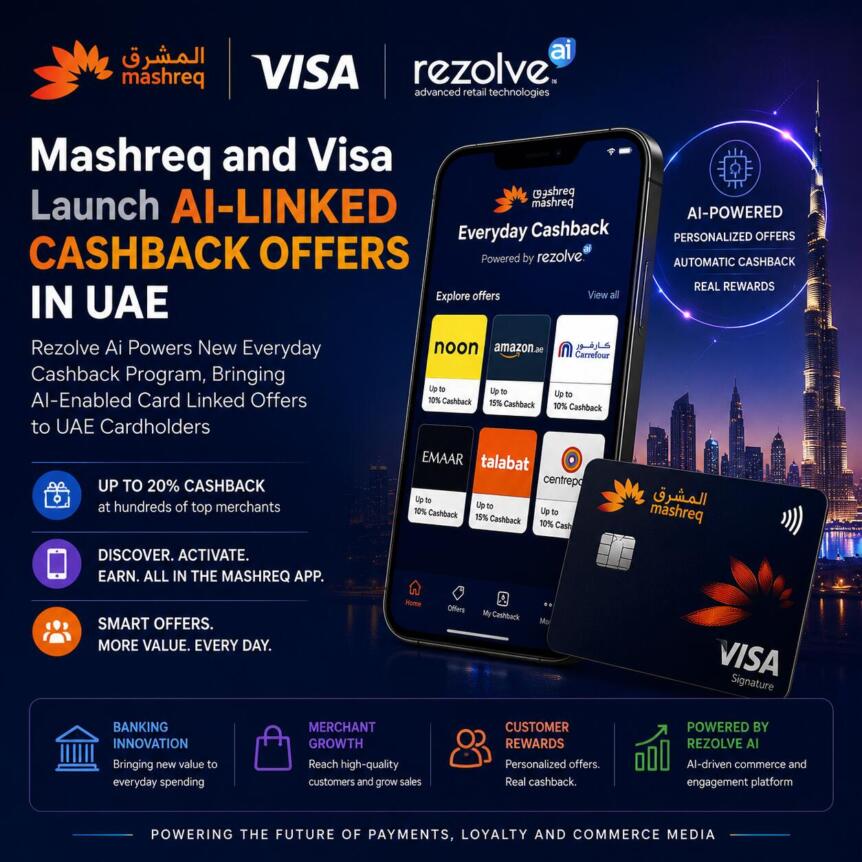
Mashreq and Visa Launch AI-Linked Cashback Offers in UAE


Popüler Haberler
Daha fazla
