

Trump Opposes Deploying US Ground Troops, White House Confirms
BitcoinWorld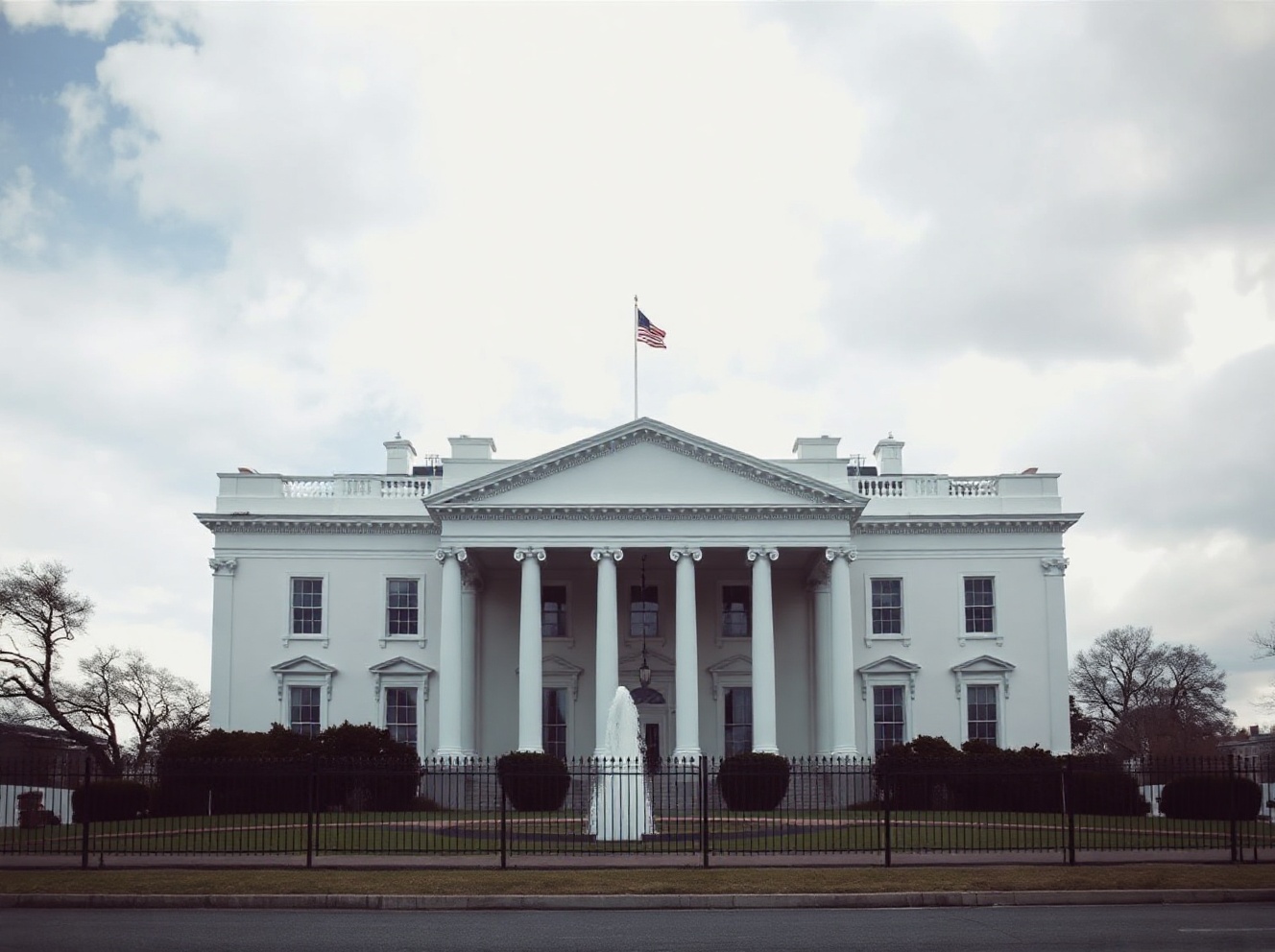
Trump Opposes Deploying US Ground Troops, White House Confirms
President Donald Trump has stated his opposition to deploying American ground troops in foreign conflicts, according to a statement from the White House. The position, which aligns with his long-standing skepticism of large-scale military interventions, was confirmed by administration officials but without immediate details on the specific context or trigger for the remark.
White House Clarifies Stance on Military Intervention
The president’s comment, made during a briefing, reinforces a recurring theme of his foreign policy approach: avoiding prolonged ground engagements that could lead to American casualties and open-ended commitments. While the administration has not linked the statement to any specific ongoing operation or crisis, it signals a continued preference for air power, special operations, and diplomatic solutions over conventional troop deployments.
This stance echoes Trump’s earlier decisions, including his push to withdraw forces from Syria and Afghanistan during his previous term, and his criticism of what he described as ‘endless wars.’ The current statement appears to reaffirm that doctrine amid ongoing global tensions, including discussions about potential military responses to various international incidents.
Implications for US Foreign Policy and Global Allies
The announcement has immediate implications for US allies who rely on American ground forces for collective security arrangements. NATO partners, in particular, may interpret the statement as a signal that the US will be more reluctant to commit troops to joint operations, potentially accelerating European defense autonomy efforts.
Military analysts note that the policy does not preclude the use of drones, airstrikes, or naval forces, which the administration has used extensively. The key distinction is the avoidance of ‘boots on the ground’ — a politically sensitive term that often shapes public opinion on military engagements.
Reactions and Strategic Context
Reactions from Capitol Hill have been mixed. Some Republican lawmakers praised the president for avoiding unnecessary risks to American lives, while Democrats cautioned that the policy could embolden adversaries who might interpret it as a lack of resolve. Defense Department officials declined to comment on the operational impact, citing ongoing planning.
The statement arrives at a time when the US military is involved in several overseas missions, including advisory roles in Ukraine, counterterrorism operations in Africa and the Middle East, and force rotations in the Indo-Pacific. The president’s remark may influence how those missions are resourced and communicated going forward.
Conclusion
President Trump’s opposition to deploying ground troops is a reaffirmation of a core foreign policy principle, but it leaves room for continued US military activity through other means. The statement is likely to shape defense budgeting, alliance negotiations, and strategic planning in the coming months, as the administration balances its non-interventionist rhetoric with ongoing global security commitments.
FAQs
Q1: Does this mean the US will never send ground troops anywhere?
No. The president’s statement reflects a general policy preference, but it does not legally bind future decisions. Exceptions could be made for emergencies, direct threats to the homeland, or congressional authorization.
Q2: How does this affect current US troops stationed overseas?
The statement primarily concerns new deployments. Existing troop rotations in places like Germany, Japan, and South Korea are governed by long-term defense agreements and are not directly affected unless the administration initiates a withdrawal.
Q3: What is the historical context for this policy?
Trump has consistently criticized the Iraq and Afghanistan wars as costly mistakes. His ‘America First’ doctrine emphasizes avoiding foreign entanglements, a stance shared by some libertarian and anti-war factions across the political spectrum.
This post Trump Opposes Deploying US Ground Troops, White House Confirms first appeared on BitcoinWorld.


Ayrıca Şunları da Beğenebilirsiniz

Bitcoin treasury sell-off accelerates as Riot, Bhutan, and public companies exit positions

PMI-ACP Exam Preparation: How to Use a Simulator and Practice Questions Effectively
Marjorie Taylor Greene makes eyebrow-raising admission on CNN


Popüler Haberler
Daha fazla
