

👨🏿🚀TechCabal Daily – Amazon wants space in Kenya
Happy midweek. 
The FIFA World Cup kicks off in 37 hours, and I have already reached the stage where I’m reading research papers about footballs. This year’s Adidas match ball has deep grooves, a kind of technology that will make its flight path more predictable. Researchers who tested it in wind tunnels say long-range shots might not travel quite as far as they did with previous World Cup balls.
The ball also needs to be charged before every match because it contains a sensor that tracks touches, spin, and movement in real time. We started with a leather ball and somehow ended up with a rechargeable data-collection device that occasionally gets kicked into the top corner.
There’s tech in everything.
Speaking of football, while they’re called the “Big Four” in venture capital folklore, two of those countries are standing a little short at this year’s tournament.
—Emmanuel
ICYMI: Kim Tran, chief executive officer and co-founder of Trenderz, is rebuilding how creator recommendations turn into real bookings in Africa. Get smarter about Francophone Africa with our newsletter, Francophone Weekly—the startups, tech policies, and institutions building the pipelines for ecosystem growth.
- Amazon wants to build a ground station in Kenya
- Spiro appoints Group CEO
- Al Ahly (no, not the football club) invests in MNT-Halan
- Uber eyes Kenya’s courier market
- World Wide Web 3
- Opportunities
Internet
Amazon wants to build satellite Internet infrastructure in Kenya
 Image Source: Amazon
Starlink, the Elon Musk-owned satellite Internet company, arrived in Kenya in 2023, signed up more than 22,000 subscribers, became the country’s eighth-largest Internet provider, and spent over two years proving that Africans are willing to pay for satellite Internet. Amazon wants to test that theory for itself.
Competition is the name of the game: Amazon, a multinational technology company, is seeking regulatory approval to build a satellite ground station in Kenya through Amazon Leo, its satellite broadband project formerly known as Project Kuiper. The facility would serve as the link between Amazon’s satellites in orbit and Internet users in East Africa
This is bigger than a ground station: Sure, it’s great that Amazon wants to build one, but what it is really doing is positioning itself for a direct challenge to Starlink. In April, Amazon applied for a Network Facilities Provider (NFP) Tier 2 licence in Kenya, which would allow it to build and operate telecommunications infrastructure nationwide. Combined with this latest move, Amazon clearly wants a seat at the table.
The challenge? Starlink already has a head start. Beyond subscriber growth, Starlink has won customers with flexible hardware rentals and installment-payment options that lowered the barrier to entry for households and businesses.
Amazon may have a secret weapon: In March, Vodafone signed an agreement to use Amazon Leo’s satellite network to connect remote 4G and 5G mobile towers across Europe and Africa. The multinational telecoms company plans a phased expansion across Africa through its African subsidiary, Vodacom Group—the parent company of Vodafone Kenya, which holds a 55% stake in Safaricom, Kenya’s largest telecom operator.
While that is not a guarantee of success, nor is it any indication that Safaricom will distribute Amazon’s satellite services, existing relationships with major telecom operators could give Amazon a useful advantage as it enters the market.
We Have Secured the Bank of Ghana EPSP Licence.
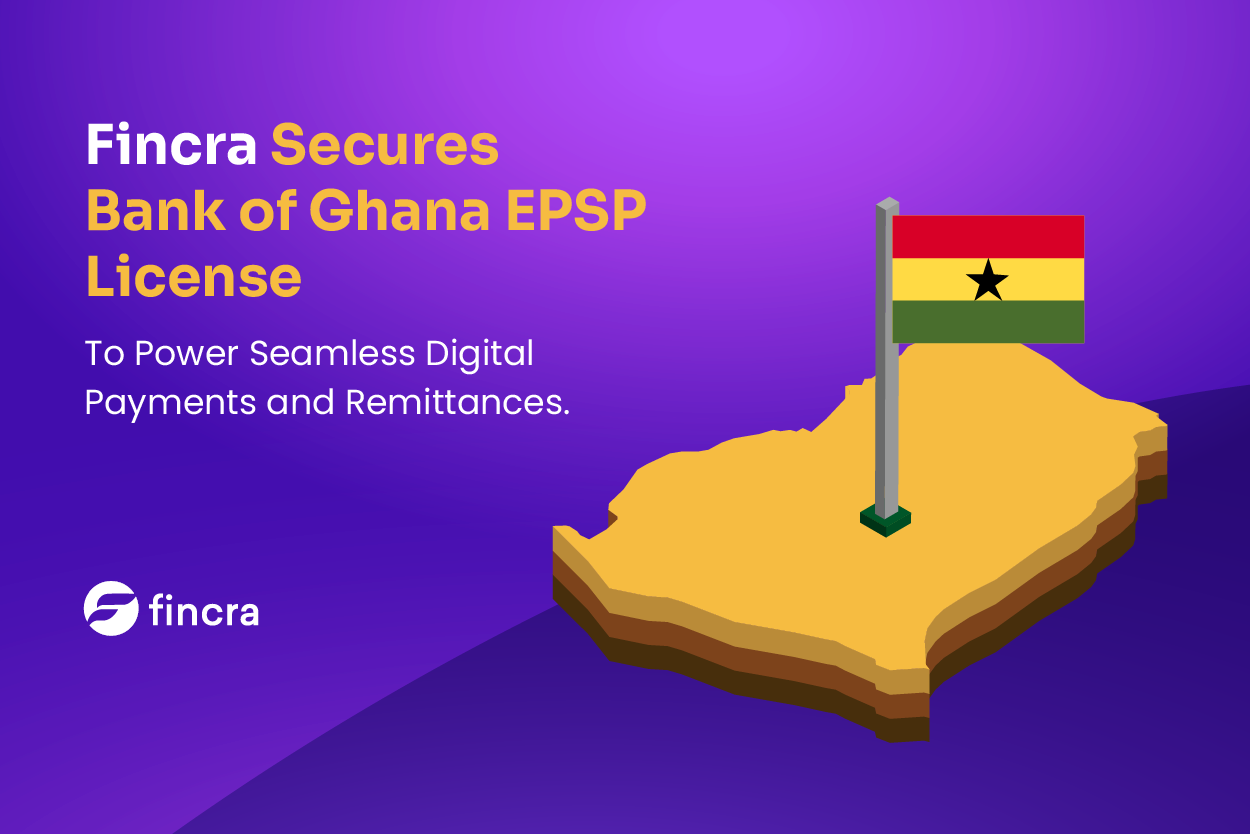
Fincra has officially secured its Enhanced Payment Service Provider licence. This regulatory milestone authorizes Fincra to directly collect, process, and settle payments in Ghanaian Cedis, offering a highly streamlined financial pipeline for businesses operating within the region. Start here.
Companies
Spiro appoints Anant Badjatya as Group CEO
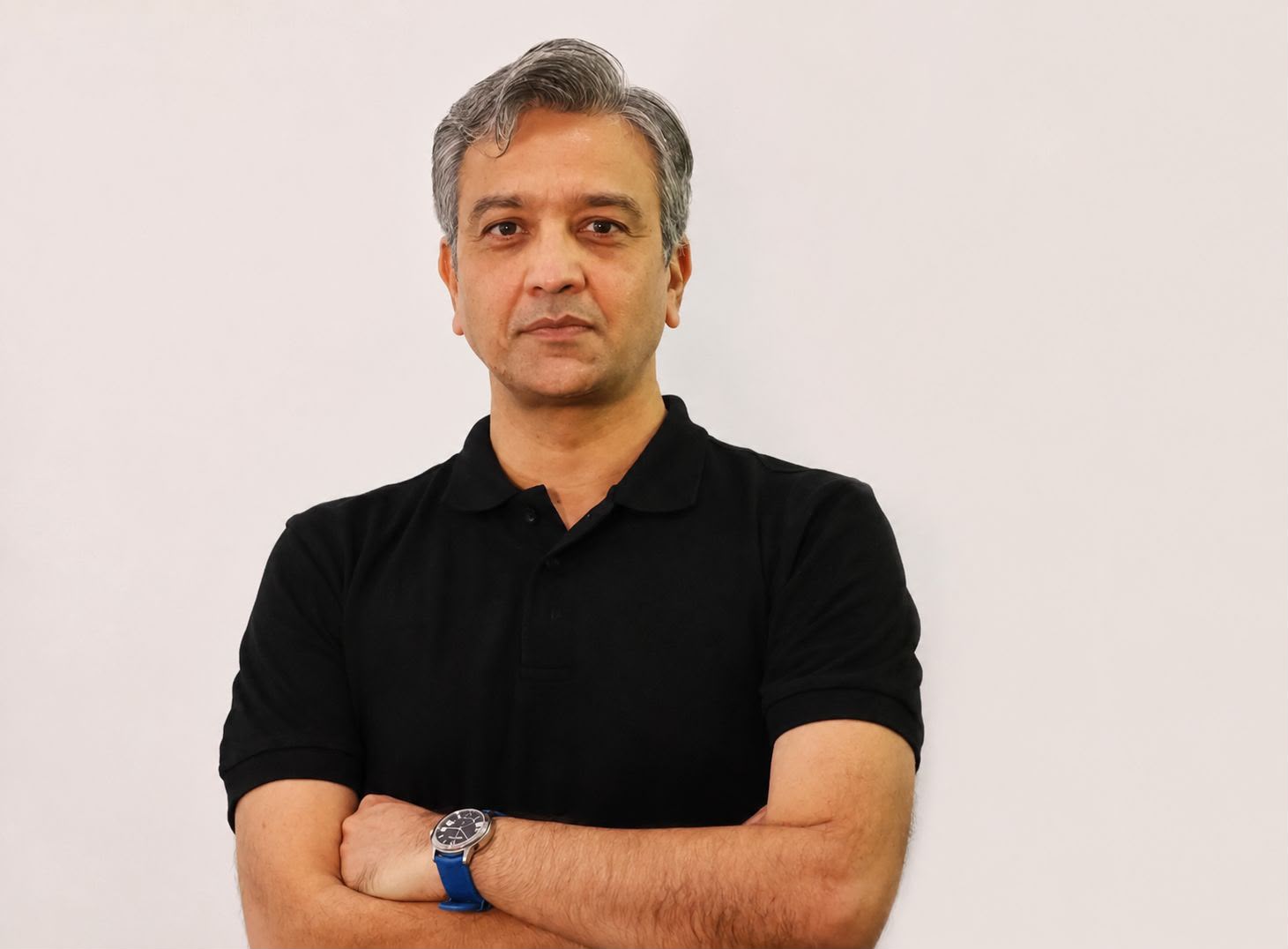 Anant Badjatya, the new Group CEO, Spiro. Image: Spiro
One week after raising $215 million, one of the largest disclosed investments in Africa’s electric mobility sector, Spiro, a Nairobi-based e-mobility startup, has named a new chief executive with experience building the kind of infrastructure it hopes to scale across the continent.
What happened? On Tuesday, the electric motorcycle and battery-swapping company appointed Anant Badjatya as Group Chief Executive Officer (CEO). He joins from Indofast Energy, a joint venture between IndianOil and SUN Mobility, where he oversaw a network of over 1,800 battery-swapping stations serving about 90,000 vehicles daily across India. Kaushik Burman, the former CEO, will now lead Spiro’s mobility services business, which handles EV deployment, rider leasing, battery subscriptions, and fleet operations.
State of play: The hire is notable because battery-swapping, not the motorcycles themselves, is becoming the battleground for Africa’s electric mobility startups. Spiro said it has deployed over 100,000 electric motorcycles and built over 2,500 swapping stations across seven African markets. Scaling that network further will require expertise in energy infrastructure, logistics, and operations as much as vehicle sales.
The timing is no coincidence. Fresh off its $215 million raise, Spiro, which acquired UK e-bike manufacturer Coexlion in May, is entering a phase where it is trying to do two things: build e-bikes tailored for African roads and tightly control its supply chain there, and expand its distribution network for swapping proprietary battery products, giving it last-mile reach and removing adoption constraints.
Building electric mobility businesses in Africa means solving a distribution problem, an infrastructure problem, and a financing problem all at once. Badjatya has done part of that before, albeit in a different market. India is one of the world’s most mature battery-swapping ecosystems. Africa is not.
Market leader Battery Smart operates more than 1,600 battery-swapping stations in India alone, with over 90,000 riders completing more than 100 million battery swaps. SUN Mobility operates over 620 stations. By comparison, while Spiro says it has more than 2,500 battery-swapping stations across Africa, riders have completed only 30 million swaps to date.
Zoom out: With Badjatya’s experience, the challenge now is whether lessons from a market with thousands of charging and fuel distribution points can be adapted to one where the infrastructure still has to be built from the ground up.
Naira Life 2026 is here!

The theme for this year’s Naira Life Conference by Zikoko is “All About Wealth.”
Join 2,000+ in Lagos on August 22 for a day of practical money conversations and workshops designed to move you from simply earning an income to building lasting wealth. Get 15% off early bird tickets.
Fintech
Egypt’s largest commercial bank invests in fintech MNT-Halan in a round valuing it at $1.4 billion
 Mounir Nakhla, co-founder of Egyptian fintech companies MNT and Halan is seen during an interview with Reuters in Cairo, Egypt June 22, 2021. Image Source: Reuters
A state-owned commercial bank just invested in a fintech unicorn. That’s not something you see every day.
In a statement on Monday, MNT-Halan, the Egyptian-founded fintech that became a unicorn in 2023, said it secured an undisclosed investment from Al Ahly Capital, the investment arm of the National Bank of Egypt (NBE), Egypt’s largest state-owned commercial bank. The deal lifts MNT-Halan’s valuation to $1.4 billion and marks the first closing of a broader funding round.
MNT-Halan, founded in 2018, lends to small businesses and consumers who struggle to access traditional bank credit. It also offers e-wallets, prepaid cards, and financing products through its Halan app. Since its launch, the company says it has disbursed over $15.5 billion in loans and served over 8 million customers across Egypt, Türkiye, Pakistan, and the United Arab Emirates (UAE).
State of play: With the new funding, MNT Halan said it plans to deepen its presence in Egypt and continue its expansion into new markets in the Gulf region.
Why did NBE directly back a fintech? The investment stands out because of who is making it. NBE has backed Egypt’s fintech sector before, but mostly through investment vehicles such as Nclude, a fintech-focused venture fund launched in 2022. Direct equity investments into individual startups have been far less common.
More importantly, MNT-Halan has spent years building partnerships with more than 30 Egyptian banks. Yet no commercial bank had previously taken an ownership stake in the company. Founder Mounir Nakhla called the transaction a “particularly important milestone” because it marks the first time a bank has become an equity partner in the fintech’s journey.
The shift says something about the state of Egypt’s fintech market. A few years ago, banks viewed fintechs as challengers nibbling at parts of their business. Today, Egypt’s largest bank appears willing to treat them as partners, distribution channels, and investment opportunities.
International investors helped prove that MNT-Halan could become a billion-dollar company. NBE’s investment signals something different: Egypt’s traditional financial establishment now believes fintech is a sector worth owning, not merely watching.
Showcase Your Brand at Moonshot by TechCabal

Founders. Investors. Policymakers. Enterprise leaders. Moonshot 2026 brings together the people shaping Africa’s technology ecosystem across AI, commerce, climate, enterprise, and culture. Spotlight your brand today.
Ecommerce
Uber wants to expand to courier delivery in Kenya
 Image Source: Uber
The Kenyan subsidiary of Uber, the ride-hailing giant, has applied to the Communications Authority of Kenya (CAK) for a National Courier Operator licence, which would allow it to deliver parcels nationwide.
If approved, it could push the ride-hailing giant into Kenya’s courier market, placing it in direct competition with traditional logistics companies and even the country’s state-owned postal service.
Posta’s long reinvention arc: In its heyday, Posta was how Kenyans sent letters, documents, and parcels. Then the Internet happened, and emails replaced letters, and like other postal services across the continent, letter volumes fell. According to official data, domestic letter volumes in Posta fell by 5.7% in 2025, and it shut down 125 of its 625 post offices to save running costs.
Posta did try to reinvent itself as a logistics and parcel-delivery company. The problem is that just as it pivots towards e-commerce deliveries, a technology company with more users and drivers wants a piece of the same market.
Uber is prepared for the market: Uber already operates its food delivery arm, Uber Eats, across six cities in Kenya, which generated KES 534 million ($4.1 million) in additional revenue for restaurants in 2023. It also already operates courier services in markets like Nigeria through Uber Connect, allowing users to send packages using the same app they use to order rides.
Uber already has drivers, routing technology, payment systems, and customers, which gives it an advantage, as many courier companies have to build those from scratch.
CRYPTO TRACKER
The World Wide Web3
Source:

|
Coin Name |
Current Value |
Day |
Month |
|---|---|---|---|
| Bitcoin | $61,237 |
– 3.35% |
– 24.19% |
| Ether | $1,624 |
– 4.01% |
– 30.50% |
| KONET | $0.05296 |
+ 1.10% |
– 54.24% |
| Solana | $64.06 |
– 4.73% |
– 33.03% |
* Data as of 06.50 AM WAT, June 10, 2026.
Opportunities
- The Stellar Development Foundation has launched its first accelerator programme targeting Europe, the Middle East, and Africa, partnering with blockchain venture firm CV Labs to back ten early-stage startups building payments infrastructure, tokenised assets, and decentralised finance applications. The 12-week programme, beginning August 2026, will run primarily remotely but includes an on-site component in Cape Town and concludes with a demo day at Stellar’s Meridian conference in Lisbon in October. Each selected startup can receive up to $150,000 in XLM, Stellar’s native token, in initial funding. Apply by July.
- The Future Investment Initiative Institute (FII), in partnership with MIT Solve, has launched the 2026 FII Innovators Pitch, inviting startups building with AI and frontier technologies to apply. The programme targets solutions across sustainability, healthcare, AI & robotics, and education. Selected startups will pitch live at the 10th Future Investment Initiative in Riyadh, Saudi Arabia, this October (all expenses covered) and join the FII Ventures Programme, gaining access to investors, policymakers, and global partners to support their growth. Apply here.
- South Africa wants its minerals to power local EV factories
- MTN enlists Alipay owner to turn MoMo into a super app
- The Great AI Divide: Navigating US and Chinese dominance
- I tried Siri AI, and so far it actually works
Written by: Yemi Kareem and Zia Yusuf
Edited by: Emmanuel Nwosu and Ganiu Oloruntade
Want more of TechCabal?
Sign up for our insightful newsletters on the business and economy of tech in Africa.
- The Next Wave: futuristic analysis of the business of tech in Africa.
- Francophone Weekly by TechCabal: insider insights and analysis of Francophone’s tech ecosystem
P:S If you’re often missing TC Daily in your inbox, check your Promotions folder and move any edition of TC Daily from “Promotions” to your “Main” or “Primary” folder and TC Daily will always come to you.



Ayrıca Şunları da Beğenebilirsiniz

Bitcoin’s (BTC) On-Chain Data Just Flashed a Major Warning Sign

Gold continues to hit new highs. How to invest in gold in the crypto market?
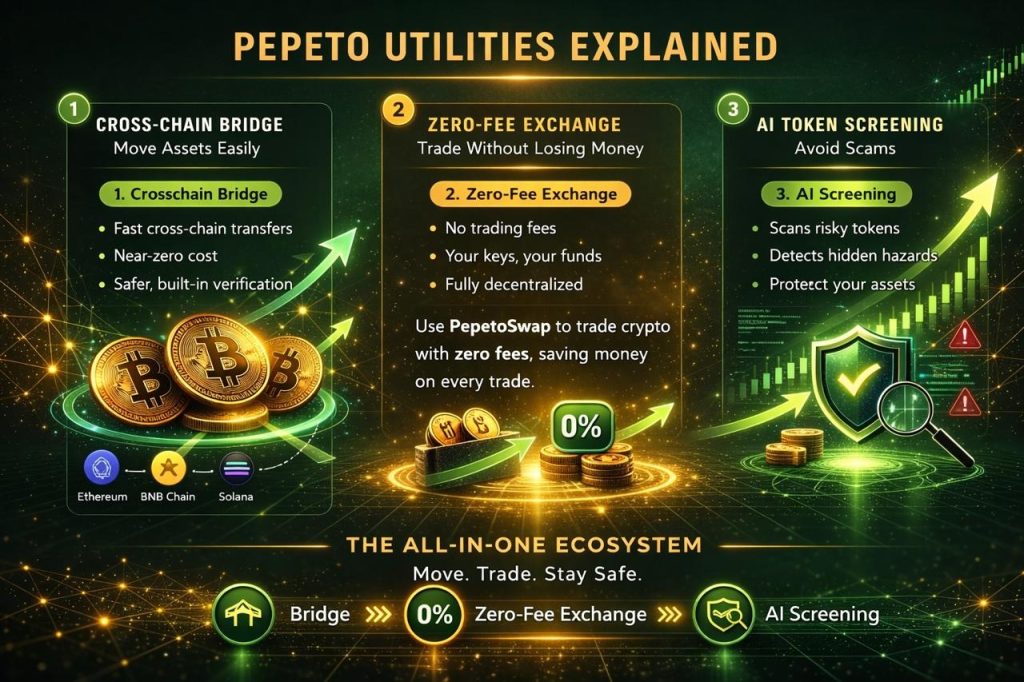
Shiba Inu Price Prediction Weakens as AI Token Sector Surges 30% to $19B While Pepeto SHIB and TAO Take Different Paths


Popüler Haberler
Daha fazla
