

KOSPI Circuit Breaker Triggered After Sharp Index Drop: Trading Halted for 20 Minutes
BitcoinWorld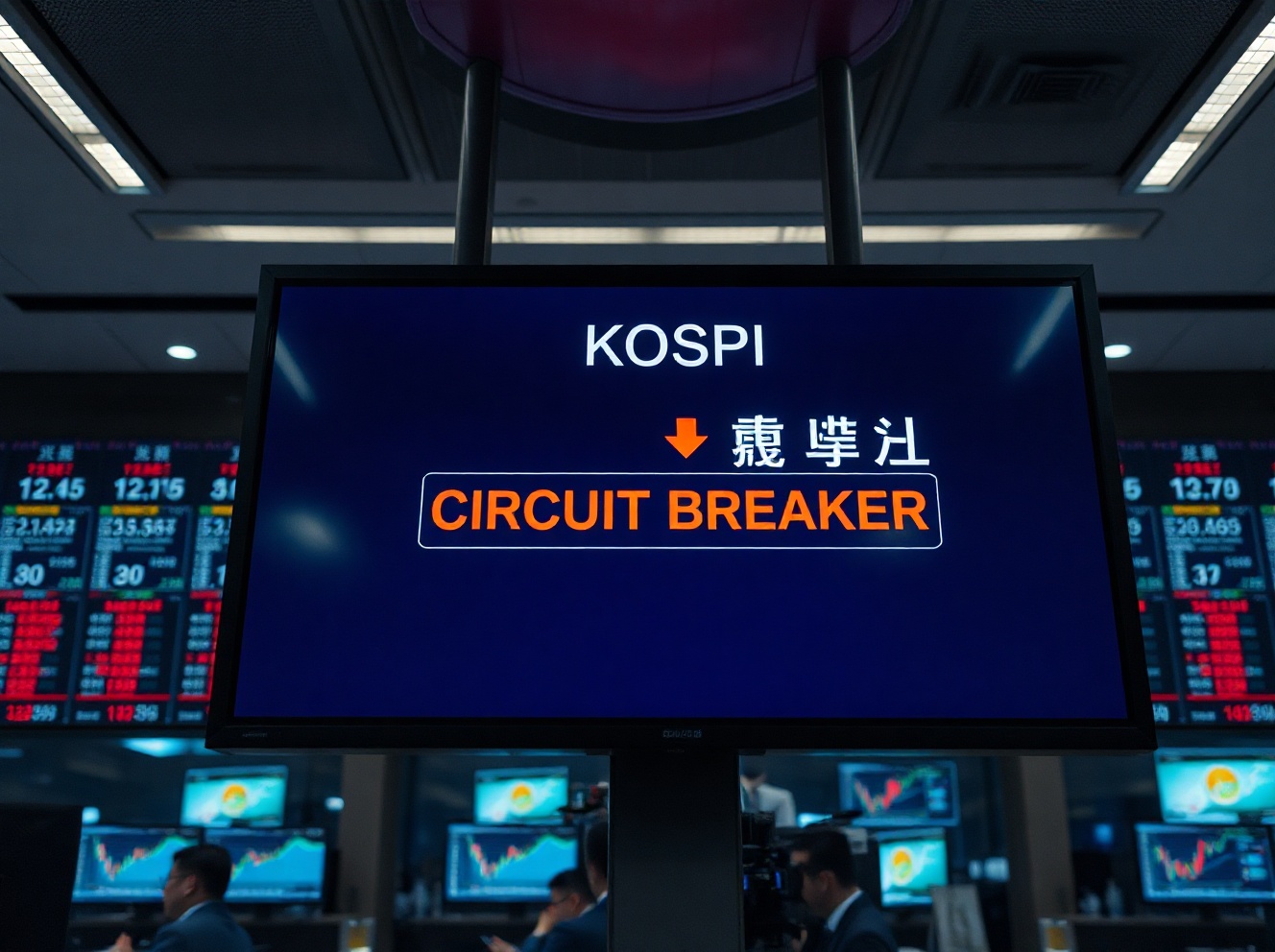
KOSPI Circuit Breaker Triggered After Sharp Index Drop: Trading Halted for 20 Minutes
The Korea Composite Stock Price Index (KOSPI) experienced a sharp decline today, triggering a circuit breaker that halted all trading for 20 minutes. The move, which took effect at approximately [insert time if known, otherwise omit], marks a rare intervention aimed at curbing panic selling and restoring market stability.
What Triggered the Circuit Breaker?
South Korea’s stock exchange employs a three-stage circuit breaker system. The first stage, known as a ‘sidecar’ or ‘circuit breaker 1,’ is activated when the KOSPI falls more than 8% from the previous day’s close. This triggers a 20-minute trading halt, during which orders can be placed but not executed. The halt is designed to give investors time to reassess market conditions and prevent cascading sell-offs.
Market Context and Implications
The KOSPI’s decline today follows a period of heightened volatility in global markets, driven by [insert relevant context, e.g., geopolitical tensions, economic data releases, or corporate earnings reports]. The index had already been under pressure in recent sessions, with foreign investors reducing exposure to emerging markets. The circuit breaker activation underscores the severity of the sell-off and raises questions about broader market sentiment.
Historical Precedents
Circuit breakers on the KOSPI are relatively rare. The last activation occurred in [insert year if known, e.g., 2020 during the COVID-19 pandemic], when global markets experienced extreme volatility. Prior to that, the mechanism was triggered during the 2008 financial crisis. Each instance has been followed by a period of recovery, though the duration and magnitude of the rebound vary depending on underlying economic conditions.
What Happens Next?
After the 20-minute halt, trading will resume with a 10-minute call auction period to establish a new equilibrium price. If the index continues to fall, additional circuit breaker stages may be triggered. Stage two would halt trading for another 20 minutes if the decline reaches 15%, and stage three would suspend trading for the remainder of the session if the drop hits 20%. Investors are advised to monitor official exchange announcements and avoid making impulsive decisions.
Why This Matters to Investors
For retail and institutional investors, the circuit breaker provides a cooling-off period but does not eliminate underlying risks. The event signals extreme market stress and may prompt portfolio rebalancing or hedging strategies. It also highlights the importance of understanding exchange mechanisms and having a clear risk management plan in place.
Conclusion
The activation of the KOSPI circuit breaker is a significant market event that reflects intense selling pressure. While the trading halt is temporary, the broader implications for South Korean equities and global market stability remain to be seen. Investors should focus on verified information from official sources and avoid speculative narratives.
FAQs
Q1: What is a circuit breaker on the KOSPI?
A circuit breaker is a mechanism that temporarily halts trading when the index falls by a preset percentage, typically 8% for the first stage. It is designed to prevent panic selling and allow markets to stabilize.
Q2: How long does the trading halt last?
The first-stage halt lasts 20 minutes, after which trading resumes with a call auction. Additional stages may be triggered if the decline continues.
Q3: Should I sell my holdings during a circuit breaker?
It is generally advisable to wait for trading to resume and assess market conditions. Selling during a halt is not possible, and decisions should be based on long-term strategy rather than short-term volatility.
This post KOSPI Circuit Breaker Triggered After Sharp Index Drop: Trading Halted for 20 Minutes first appeared on BitcoinWorld.


Ayrıca Şunları da Beğenebilirsiniz

One Of Frank Sinatra’s Most Famous Albums Is Back In The Spotlight

LIST: Bayanihan initiatives amid soaring oil prices

Bitcoin World Reveals Top 5 Stunning Gainers And Losers


Popüler Haberler
Daha fazla
