The Central Bank of Brazil (BCB) is making major reforms to the country’s foreign exchange (forex) system, as described in Law No. 14,286/2021. Although the changes mainly focus on electronic forex (eFX) platforms, they could also have a significant impact on crypto operations. Related Reading: Research Flags Bitcoin Nation-State FOMO—27 In, 13 About To Join […]The Central Bank of Brazil (BCB) is making major reforms to the country’s foreign exchange (forex) system, as described in Law No. 14,286/2021. Although the changes mainly focus on electronic forex (eFX) platforms, they could also have a significant impact on crypto operations. Related Reading: Research Flags Bitcoin Nation-State FOMO—27 In, 13 About To Join […]

How New Brazilian Forex Rules Could Shake Up Crypto Operations

The Central Bank of Brazil (BCB) is making major reforms to the country’s foreign exchange (forex) system, as described in Law No. 14,286/2021. Although the changes mainly focus on electronic forex (eFX) platforms, they could also have a significant impact on crypto operations.

Under the proposals, only authorized institutions will be able to offer eFX services. This means crypto exchanges handling international payments may soon need to obtain specific licenses, meet stricter compliance standards, and disclose full transaction costs to customers.

The new rules require all operators to display the Total Effective Value (VET) of each transaction, a measure aimed at boosting transparency and consumer protection.
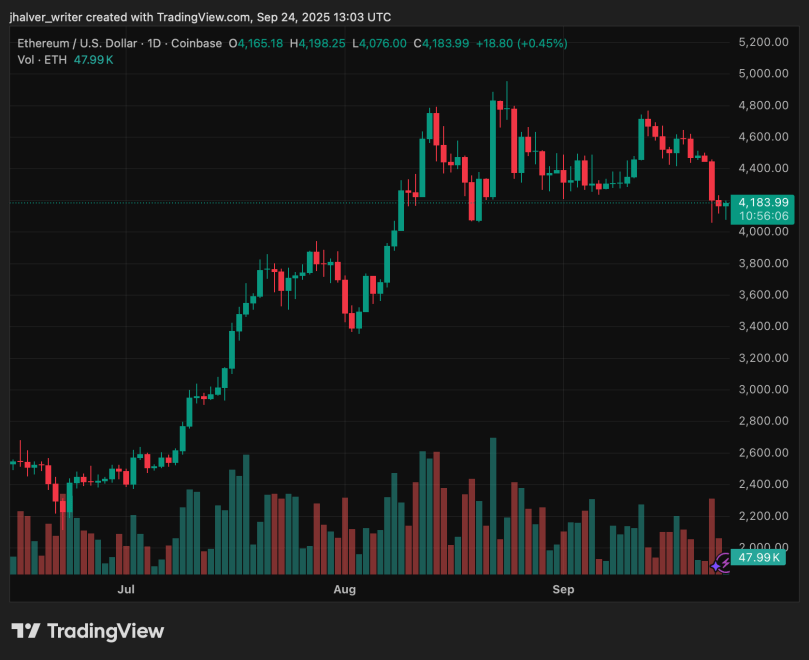
crypto Brazil ETH BTC Ethereum

Stablecoins and International Transfers Affected by New Brazilian Forex Rules

Widely used in Brazil to hedge against inflation and facilitate cross-border payments, stablecoins are likely to face increased regulatory oversight under the new framework. Regulators are considering measures that would limit international transfers via crypto to $10,000 per transaction.

Such restrictions could reduce the utility of dollar-pegged stablecoins like USDT for larger investors seeking to transfer capital abroad. Officials argue that these measures are necessary to reduce the risks of money laundering and capital flight, but critics warn that they may drive some activity toward unregulated platforms.

Will the New Rules Improve Crypto Security

Although the reforms aim to streamline forex processes and incorporate crypto into Brazil’s regulated financial system, they also increase reporting requirements.

Exchanges and brokers will be required to submit detailed client and transaction data to the central bank. Integration with systems like Pix, Brazil’s instant payment network, indicates regulators want crypto to be more closely connected to traditional finance.

For traders who previously viewed crypto as a way to bypass forex controls, these changes may mean less privacy and tighter regulation. However, analysts suggest the BCB is walking a delicate line, seeking to attract investment and improve market integrity without stifling innovation.

How the final rules are carried out will determine whether Brazil sets a standard for balanced crypto regulation and adoption in Latin America or risks pushing businesses toward more permissive markets.

Cover image from ChatGPT, BTCUSD chart from Tradingview

Piyasa Fırsatı
Lorenzo Protocol Logosu
Lorenzo Protocol Fiyatı(BANK)
$0.03642
$0.03642$0.03642
-2.33%
USD
Lorenzo Protocol (BANK) Canlı Fiyat Grafiği
Sorumluluk Reddi: Bu sitede yeniden yayınlanan makaleler, halka açık platformlardan alınmıştır ve yalnızca bilgilendirme amaçlıdır. MEXC'nin görüşlerini yansıtmayabilir. Tüm hakları telif sahiplerine aittir. Herhangi bir içeriğin üçüncü taraf haklarını ihlal ettiğini düşünüyorsanız, kaldırılması için lütfen [email protected] ile iletişime geçin. MEXC, içeriğin doğruluğu, eksiksizliği veya güncelliği konusunda hiçbir garanti vermez ve sağlanan bilgilere dayalı olarak alınan herhangi bir eylemden sorumlu değildir. İçerik, finansal, yasal veya diğer profesyonel tavsiye niteliğinde değildir ve MEXC tarafından bir tavsiye veya onay olarak değerlendirilmemelidir.

Ayrıca Şunları da Beğenebilirsiniz

Visa Expands USDC Stablecoin Settlement For US Banks

Visa Expands USDC Stablecoin Settlement For US Banks

The post Visa Expands USDC Stablecoin Settlement For US Banks appeared on BitcoinEthereumNews.com. Visa Expands USDC Stablecoin Settlement For US Banks
Paylaş
BitcoinEthereumNews2025/12/17 15:23
Nasdaq Company Adds 7,500 BTC in Bold Treasury Move

Nasdaq Company Adds 7,500 BTC in Bold Treasury Move

The live-streaming and e-commerce company has struck a deal to acquire 7,500 BTC, instantly becoming one of the largest public […] The post Nasdaq Company Adds 7,500 BTC in Bold Treasury Move appeared first on Coindoo.
Paylaş
Coindoo2025/09/18 02:15
Curve Finance votes on revenue-sharing model for CRV holders

Curve Finance votes on revenue-sharing model for CRV holders

The post Curve Finance votes on revenue-sharing model for CRV holders appeared on BitcoinEthereumNews.com. Curve Finance has proposed a new protocol called Yield Basis that would share revenue directly with CRV holders, marking a shift from one-off incentives to sustainable income. Summary Curve Finance has put forward a revenue-sharing protocol to give CRV holders sustainable income beyond emissions and fees. The plan would mint $60M in crvUSD to seed three Bitcoin liquidity pools (WBTC, cbBTC, tBTC), with 35–65% of revenue distributed to veCRV stakers. The DAO vote runs from up to Sept. 24, with the proposal seen as a major step to strengthen CRV tokenomics after past liquidity and governance challenges. Curve Finance founder Michael Egorov has introduced a proposal to give CRV token holders a more direct way to earn income, launching a system called Yield Basis that aims to turn the governance token into a sustainable, yield-bearing asset.  The proposal has been published on the Curve DAO (CRV) governance forum, with voting open until Sept. 24. A new model for CRV rewards Yield Basis is designed to distribute transparent and consistent returns to CRV holders who lock their tokens for veCRV governance rights. Unlike past incentive programs, which relied heavily on airdrops and emissions, the protocol channels income from Bitcoin-focused liquidity pools directly back to token holders. To start, Curve would mint $60 million worth of crvUSD, its over-collateralized stablecoin, with proceeds allocated across three pools — WBTC, cbBTC, and tBTC — each capped at $10 million. 25% of Yield Basis tokens would be reserved for the Curve ecosystem, and between 35% and 65% of Yield Basis’s revenue would be given to veCRV holders. By emphasizing Bitcoin (BTC) liquidity and offering yields without the short-term loss risks associated with automated market makers, the protocol hopes to draw in professional traders and institutions. Context and potential impact on Curve Finance The proposal comes as Curve continues to modify…
Paylaş
BitcoinEthereumNews2025/09/18 14:37