Author: cole Produced by: Vernacular Blockchain In the crypto world, launching a new coin always sets the market on fire. When Coinbase, the industry's most compliant "regular force," incubated its Layer 2 network, Base, shifted its stance from "never launching a coin" to "exploring the future," everyone knew a major drama was about to unfold. This isn't just another token launch; it's a calculated strategic move by Coinbase, aiming to transform Base from a traffic gateway into a self-sustaining economic hub. Will this yet-to-be-launched token be the rocket fuel that ignites a bull market, or another "launch-and-reach" capital story? To answer this question, we must delve into the fabric of Base and analyze the vulnerabilities behind its glamorous data. 01. From “NO” to “YES” — Why does Base have to issue a token? Once upon a time, Base was a breath of fresh air in the Layer 2 world, with its leadership repeatedly stating that it had "no plans to issue a coin." However, the tide has turned. Base founder Jesse Pollak and Coinbase CEO Brian Armstrong have now publicly stated that the team is "exploring the issuance of a native token," believing it to be an excellent tool for accelerating decentralization and ecosystem growth. The official justification is grand and politically correct: achieving complete decentralization of the network. Currently, Base's core sorter remains centrally controlled by Coinbase. Issuing tokens can attract independent node participation through incentive mechanisms, a necessary step towards true decentralization. This technology-driven rhetoric aligns with the spirit of the crypto world and provides a "compliance" shield against regulatory scrutiny. However, the data reveals a harsher reality: Base is facing severe capital outflows. Data shows that over the past three quarters, Base has experienced a net outflow of $4.6 billion, with the majority of funds flowing back into the Ethereum mainnet. This suggests that while Base has successfully attracted a large number of users thanks to Coinbase's traffic, particularly during the meme coin and SocialFi (social finance) boom, it lacks user stickiness. Capital, like mercenaries, comes and goes with impatience. Base faces the risk of becoming a mere low-cost transit point. Meanwhile, competitors Arbitrum and Optimism have already built strong economic moats using tokens. Therefore, Base's token issuance is more a survival imperative than a philosophical evolution. Its core economic goal is a single one: anchoring capital. Through token incentives, Base aims to transform speculative "tourists" into long-term "residents," creating a self-reinforcing economic closed loop. 02. A Song of Ice and Fire: A Panoramic Scan of the Base Ecosystem To understand the power of the Base token, we must first understand its current state. On-chain data paints a picture of both ice and fire: user activity is in full swing, but capital depth is relatively calm. Judging by the data, Base is undoubtedly a top player. Its TVL exceeds $5 billion. But what's most astonishing is its transaction processing capacity, with an average TPS of 148.77, far exceeding Arbitrum's 22.49. The network has nearly one million daily active addresses, and annualized network revenue is projected to reach $75 million. These data clearly reveal Base's uniqueness: while it is an undisputed giant in user activity, it remains a laggard in terms of capitalization. Base has already solved the "how to attract people" problem; now it needs to use its token to solve the "how to retain people" problem. Base's application ecosystem exhibits a unique "leverage structure." On one end are multi-chain giants like Uniswap and Aave, which contribute the majority of TVL. On the other end are vibrant meme coins. Of greatest strategic value, however, are the "native protocols" sandwiched in the middle—they are Base's true moat and the core goal of future token incentives. DeFi: In the decentralized finance sector, Aerodrome Finance, Base's native automated market maker (AMM), is rising at an astonishing rate, with its TVL exceeding $1.1 billion, aiming to become Base's central liquidity hub. In the lending market, the native protocol SeamlessFi has also made a name for itself. SocialFi: This is Base's unique trump card. The phenomenal emergence of Friend.tech not only brought a massive amount of traffic to Base but also pioneered a new on-chain social monetization model. Furthermore, the decentralized social protocol Farcaster is also thriving here. Games and NFTs: This sector is still in its early stages, with no blockbuster hits yet. However, Base's low gas fee environment is ideal for the development of on-chain games, and its native token can serve as a catalyst to attract top game studios. 03. Redistribution of wealth - who will be the biggest winner? The issuance of Base tokens will be a redistribution of wealth on an unprecedented scale. Ecosystem protocols: For native protocols such as Aerodrome and SeamlessFi, Base tokens will be their ammunition to compete head-on with multi-chain giants. Users and community: Issuing coins will bring about a wealth effect, and tokens will also give the community the power of governance and cultivate a deep sense of "ownership". Base Network: The token treasury will free Base from its dependence on Coinbase and become a self-sustaining and self-developing public product. Coinbase: This might be the most exciting part. Currently, Base directly contributes less than 1% of Coinbase's total revenue. However, the fully diluted valuation (FDV) of a single Base token could reach tens of billions of dollars. This means that Coinbase is performing a brilliant financial trick: giving up a negligible amount of operating income in exchange for a massive asset potentially worth tens of billions of dollars. By issuing tokens and decentralizing the platform, Coinbase not only mitigates regulatory risk but also transforms a small profit into a massive asset. 04. Summary Base's exploration of issuing a token is a deliberate strategic necessity. It marks Base's official transition from a successful "traffic acquisition machine" to a self-sustaining "on-chain economy." Will Base's coin launch, like Arbitrum's, use a "big bang" launch to generate hype but potentially trigger a catastrophic sell-off? Or will it be like Optimism, using a phased, narrative-heavy approach to steadily guide the market and direct the community's attention to long-term development? Considering Base's close ties with Coinbase and its "compliance first" stance, the latter seems more likely. Regardless of which path it chooses, Base holds a trump card: the massive retail user base brought by Coinbase and the unique SocialFi ecosystem. For all participants in the crypto world, this drama is worth your close attention.Author: cole Produced by: Vernacular Blockchain In the crypto world, launching a new coin always sets the market on fire. When Coinbase, the industry's most compliant "regular force," incubated its Layer 2 network, Base, shifted its stance from "never launching a coin" to "exploring the future," everyone knew a major drama was about to unfold. This isn't just another token launch; it's a calculated strategic move by Coinbase, aiming to transform Base from a traffic gateway into a self-sustaining economic hub. Will this yet-to-be-launched token be the rocket fuel that ignites a bull market, or another "launch-and-reach" capital story? To answer this question, we must delve into the fabric of Base and analyze the vulnerabilities behind its glamorous data. 01. From “NO” to “YES” — Why does Base have to issue a token? Once upon a time, Base was a breath of fresh air in the Layer 2 world, with its leadership repeatedly stating that it had "no plans to issue a coin." However, the tide has turned. Base founder Jesse Pollak and Coinbase CEO Brian Armstrong have now publicly stated that the team is "exploring the issuance of a native token," believing it to be an excellent tool for accelerating decentralization and ecosystem growth. The official justification is grand and politically correct: achieving complete decentralization of the network. Currently, Base's core sorter remains centrally controlled by Coinbase. Issuing tokens can attract independent node participation through incentive mechanisms, a necessary step towards true decentralization. This technology-driven rhetoric aligns with the spirit of the crypto world and provides a "compliance" shield against regulatory scrutiny. However, the data reveals a harsher reality: Base is facing severe capital outflows. Data shows that over the past three quarters, Base has experienced a net outflow of $4.6 billion, with the majority of funds flowing back into the Ethereum mainnet. This suggests that while Base has successfully attracted a large number of users thanks to Coinbase's traffic, particularly during the meme coin and SocialFi (social finance) boom, it lacks user stickiness. Capital, like mercenaries, comes and goes with impatience. Base faces the risk of becoming a mere low-cost transit point. Meanwhile, competitors Arbitrum and Optimism have already built strong economic moats using tokens. Therefore, Base's token issuance is more a survival imperative than a philosophical evolution. Its core economic goal is a single one: anchoring capital. Through token incentives, Base aims to transform speculative "tourists" into long-term "residents," creating a self-reinforcing economic closed loop. 02. A Song of Ice and Fire: A Panoramic Scan of the Base Ecosystem To understand the power of the Base token, we must first understand its current state. On-chain data paints a picture of both ice and fire: user activity is in full swing, but capital depth is relatively calm. Judging by the data, Base is undoubtedly a top player. Its TVL exceeds $5 billion. But what's most astonishing is its transaction processing capacity, with an average TPS of 148.77, far exceeding Arbitrum's 22.49. The network has nearly one million daily active addresses, and annualized network revenue is projected to reach $75 million. These data clearly reveal Base's uniqueness: while it is an undisputed giant in user activity, it remains a laggard in terms of capitalization. Base has already solved the "how to attract people" problem; now it needs to use its token to solve the "how to retain people" problem. Base's application ecosystem exhibits a unique "leverage structure." On one end are multi-chain giants like Uniswap and Aave, which contribute the majority of TVL. On the other end are vibrant meme coins. Of greatest strategic value, however, are the "native protocols" sandwiched in the middle—they are Base's true moat and the core goal of future token incentives. DeFi: In the decentralized finance sector, Aerodrome Finance, Base's native automated market maker (AMM), is rising at an astonishing rate, with its TVL exceeding $1.1 billion, aiming to become Base's central liquidity hub. In the lending market, the native protocol SeamlessFi has also made a name for itself. SocialFi: This is Base's unique trump card. The phenomenal emergence of Friend.tech not only brought a massive amount of traffic to Base but also pioneered a new on-chain social monetization model. Furthermore, the decentralized social protocol Farcaster is also thriving here. Games and NFTs: This sector is still in its early stages, with no blockbuster hits yet. However, Base's low gas fee environment is ideal for the development of on-chain games, and its native token can serve as a catalyst to attract top game studios. 03. Redistribution of wealth - who will be the biggest winner? The issuance of Base tokens will be a redistribution of wealth on an unprecedented scale. Ecosystem protocols: For native protocols such as Aerodrome and SeamlessFi, Base tokens will be their ammunition to compete head-on with multi-chain giants. Users and community: Issuing coins will bring about a wealth effect, and tokens will also give the community the power of governance and cultivate a deep sense of "ownership". Base Network: The token treasury will free Base from its dependence on Coinbase and become a self-sustaining and self-developing public product. Coinbase: This might be the most exciting part. Currently, Base directly contributes less than 1% of Coinbase's total revenue. However, the fully diluted valuation (FDV) of a single Base token could reach tens of billions of dollars. This means that Coinbase is performing a brilliant financial trick: giving up a negligible amount of operating income in exchange for a massive asset potentially worth tens of billions of dollars. By issuing tokens and decentralizing the platform, Coinbase not only mitigates regulatory risk but also transforms a small profit into a massive asset. 04. Summary Base's exploration of issuing a token is a deliberate strategic necessity. It marks Base's official transition from a successful "traffic acquisition machine" to a self-sustaining "on-chain economy." Will Base's coin launch, like Arbitrum's, use a "big bang" launch to generate hype but potentially trigger a catastrophic sell-off? Or will it be like Optimism, using a phased, narrative-heavy approach to steadily guide the market and direct the community's attention to long-term development? Considering Base's close ties with Coinbase and its "compliance first" stance, the latter seems more likely. Regardless of which path it chooses, Base holds a trump card: the massive retail user base brought by Coinbase and the unique SocialFi ecosystem. For all participants in the crypto world, this drama is worth your close attention.

Base coin issuance: a long-planned conspiracy?

2025/09/19 20:00

Author: cole

Produced by: Vernacular Blockchain

In the crypto world, launching a new coin always sets the market on fire. When Coinbase, the industry's most compliant "regular force," incubated its Layer 2 network, Base, shifted its stance from "never launching a coin" to "exploring the future," everyone knew a major drama was about to unfold.

This isn't just another token launch; it's a calculated strategic move by Coinbase, aiming to transform Base from a traffic gateway into a self-sustaining economic hub. Will this yet-to-be-launched token be the rocket fuel that ignites a bull market, or another "launch-and-reach" capital story? To answer this question, we must delve into the fabric of Base and analyze the vulnerabilities behind its glamorous data.

01. From “NO” to “YES” — Why does Base have to issue a token?

Once upon a time, Base was a breath of fresh air in the Layer 2 world, with its leadership repeatedly stating that it had "no plans to issue a coin." However, the tide has turned. Base founder Jesse Pollak and Coinbase CEO Brian Armstrong have now publicly stated that the team is "exploring the issuance of a native token," believing it to be an excellent tool for accelerating decentralization and ecosystem growth.

The official justification is grand and politically correct: achieving complete decentralization of the network. Currently, Base's core sorter remains centrally controlled by Coinbase. Issuing tokens can attract independent node participation through incentive mechanisms, a necessary step towards true decentralization. This technology-driven rhetoric aligns with the spirit of the crypto world and provides a "compliance" shield against regulatory scrutiny.

However, the data reveals a harsher reality: Base is facing severe capital outflows. Data shows that over the past three quarters, Base has experienced a net outflow of $4.6 billion, with the majority of funds flowing back into the Ethereum mainnet. This suggests that while Base has successfully attracted a large number of users thanks to Coinbase's traffic, particularly during the meme coin and SocialFi (social finance) boom, it lacks user stickiness. Capital, like mercenaries, comes and goes with impatience.

Base faces the risk of becoming a mere low-cost transit point. Meanwhile, competitors Arbitrum and Optimism have already built strong economic moats using tokens. Therefore, Base's token issuance is more a survival imperative than a philosophical evolution. Its core economic goal is a single one: anchoring capital. Through token incentives, Base aims to transform speculative "tourists" into long-term "residents," creating a self-reinforcing economic closed loop.

02. A Song of Ice and Fire: A Panoramic Scan of the Base Ecosystem

To understand the power of the Base token, we must first understand its current state. On-chain data paints a picture of both ice and fire: user activity is in full swing, but capital depth is relatively calm.

Judging by the data, Base is undoubtedly a top player. Its TVL exceeds $5 billion. But what's most astonishing is its transaction processing capacity, with an average TPS of 148.77, far exceeding Arbitrum's 22.49. The network has nearly one million daily active addresses, and annualized network revenue is projected to reach $75 million. These data clearly reveal Base's uniqueness: while it is an undisputed giant in user activity, it remains a laggard in terms of capitalization. Base has already solved the "how to attract people" problem; now it needs to use its token to solve the "how to retain people" problem.

Base's application ecosystem exhibits a unique "leverage structure." On one end are multi-chain giants like Uniswap and Aave, which contribute the majority of TVL. On the other end are vibrant meme coins. Of greatest strategic value, however, are the "native protocols" sandwiched in the middle—they are Base's true moat and the core goal of future token incentives.

  • DeFi: In the decentralized finance sector, Aerodrome Finance, Base's native automated market maker (AMM), is rising at an astonishing rate, with its TVL exceeding $1.1 billion, aiming to become Base's central liquidity hub. In the lending market, the native protocol SeamlessFi has also made a name for itself.
  • SocialFi: This is Base's unique trump card. The phenomenal emergence of Friend.tech not only brought a massive amount of traffic to Base but also pioneered a new on-chain social monetization model. Furthermore, the decentralized social protocol Farcaster is also thriving here.
  • Games and NFTs: This sector is still in its early stages, with no blockbuster hits yet. However, Base's low gas fee environment is ideal for the development of on-chain games, and its native token can serve as a catalyst to attract top game studios.

03. Redistribution of wealth - who will be the biggest winner?

The issuance of Base tokens will be a redistribution of wealth on an unprecedented scale.

  • Ecosystem protocols: For native protocols such as Aerodrome and SeamlessFi, Base tokens will be their ammunition to compete head-on with multi-chain giants.
  • Users and community: Issuing coins will bring about a wealth effect, and tokens will also give the community the power of governance and cultivate a deep sense of "ownership".
  • Base Network: The token treasury will free Base from its dependence on Coinbase and become a self-sustaining and self-developing public product.
  • Coinbase: This might be the most exciting part. Currently, Base directly contributes less than 1% of Coinbase's total revenue. However, the fully diluted valuation (FDV) of a single Base token could reach tens of billions of dollars. This means that Coinbase is performing a brilliant financial trick: giving up a negligible amount of operating income in exchange for a massive asset potentially worth tens of billions of dollars. By issuing tokens and decentralizing the platform, Coinbase not only mitigates regulatory risk but also transforms a small profit into a massive asset.

04. Summary

Base's exploration of issuing a token is a deliberate strategic necessity. It marks Base's official transition from a successful "traffic acquisition machine" to a self-sustaining "on-chain economy."

Will Base's coin launch, like Arbitrum's, use a "big bang" launch to generate hype but potentially trigger a catastrophic sell-off? Or will it be like Optimism, using a phased, narrative-heavy approach to steadily guide the market and direct the community's attention to long-term development?

Considering Base's close ties with Coinbase and its "compliance first" stance, the latter seems more likely. Regardless of which path it chooses, Base holds a trump card: the massive retail user base brought by Coinbase and the unique SocialFi ecosystem.

For all participants in the crypto world, this drama is worth your close attention.

Piyasa Fırsatı
1 Logosu
1 Fiyatı(1)
$0.007793
$0.007793$0.007793
+2.62%
USD
1 (1) Canlı Fiyat Grafiği
Sorumluluk Reddi: Bu sitede yeniden yayınlanan makaleler, halka açık platformlardan alınmıştır ve yalnızca bilgilendirme amaçlıdır. MEXC'nin görüşlerini yansıtmayabilir. Tüm hakları telif sahiplerine aittir. Herhangi bir içeriğin üçüncü taraf haklarını ihlal ettiğini düşünüyorsanız, kaldırılması için lütfen [email protected] ile iletişime geçin. MEXC, içeriğin doğruluğu, eksiksizliği veya güncelliği konusunda hiçbir garanti vermez ve sağlanan bilgilere dayalı olarak alınan herhangi bir eylemden sorumlu değildir. İçerik, finansal, yasal veya diğer profesyonel tavsiye niteliğinde değildir ve MEXC tarafından bir tavsiye veya onay olarak değerlendirilmemelidir.

Ayrıca Şunları da Beğenebilirsiniz

Ethereum unveils roadmap focusing on scaling, interoperability, and security at Japan Dev Conference

Ethereum unveils roadmap focusing on scaling, interoperability, and security at Japan Dev Conference

The post Ethereum unveils roadmap focusing on scaling, interoperability, and security at Japan Dev Conference appeared on BitcoinEthereumNews.com. Key Takeaways Ethereum’s new roadmap was presented by Vitalik Buterin at the Japan Dev Conference. Short-term priorities include Layer 1 scaling and raising gas limits to enhance transaction throughput. Vitalik Buterin presented Ethereum’s development roadmap at the Japan Dev Conference today, outlining the blockchain platform’s priorities across multiple timeframes. The short-term goals focus on scaling solutions and increasing Layer 1 gas limits to improve transaction capacity. Mid-term objectives target enhanced cross-Layer 2 interoperability and faster network responsiveness to create a more seamless user experience across different scaling solutions. The long-term vision emphasizes building a secure, simple, quantum-resistant, and formally verified minimalist Ethereum network. This approach aims to future-proof the platform against emerging technological threats while maintaining its core functionality. The roadmap presentation comes as Ethereum continues to compete with other blockchain platforms for market share in the smart contract and decentralized application space. Source: https://cryptobriefing.com/ethereum-roadmap-scaling-interoperability-security-japan/
Paylaş
BitcoinEthereumNews2025/09/18 00:25
Gemini Exchange Launches BNB Trading and Custody Services
Gemini Exchange Launches BNB Trading and Custody Services

The post Gemini Exchange Launches BNB Trading and Custody Services appeared on BitcoinEthereumNews.com. TLDR: Gemini becomes latest major U.S. exchange to offer
Paylaş
BitcoinEthereumNews2025/12/26 16:43
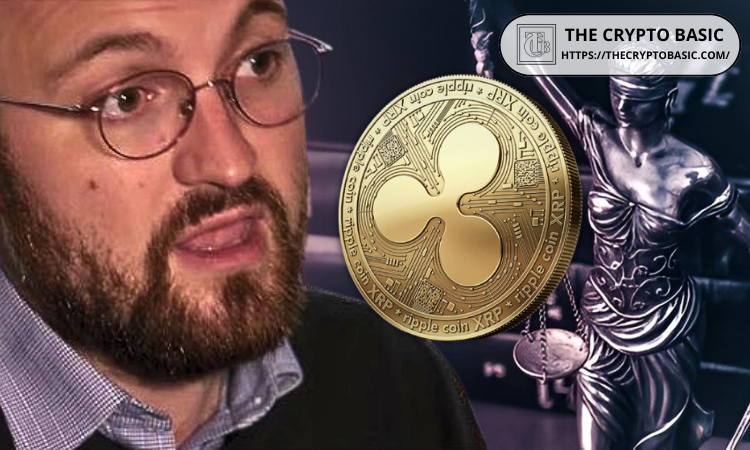
Cardano Founder Praises Ripple After Senate Crypto Roundtable

Cardano Founder Praises Ripple After Senate Crypto Roundtable

Cardano founder Charles Hoskinson commended Ripple and other industry leaders following a high-level Senate Banking Committee roundtable on crypto market structure legislation. For context, the closed-door session took place on September 17 in Washington, D.C.Visit Website
Paylaş
The Crypto Basic2025/09/18 15:27