Dogecoin vs Bitcoin: Key Differences in Volatility, Supply, and Trading Dynamics
Key Takeaways
- Dogecoin vs Bitcoin volatility: DOGE often reacts more to attention and sentiment bursts, while BTC typically responds to macro conditions and broader market positioning.
- Dogecoin vs Bitcoin supply: BTC has a hard cap, while DOGE has no maximum supply and follows a rule-based annual issuance (~5B DOGE per year).
- Trading behavior: BTC often serves as a "market anchor" asset in crypto cycles, while DOGE can exhibit sharper, faster swings during high-visibility periods.
- Narratives matter: BTC is widely framed around scarcity and store-of-value; DOGE is often framed as a culture-native asset where visibility can rapidly shift activity.
- Risk framing: Different mechanics (supply schedule, liquidity depth, sentiment sensitivity) create distinct risk profiles—neither implies a specific outcome.
1. Volatility: What Usually Drives Market Moves?
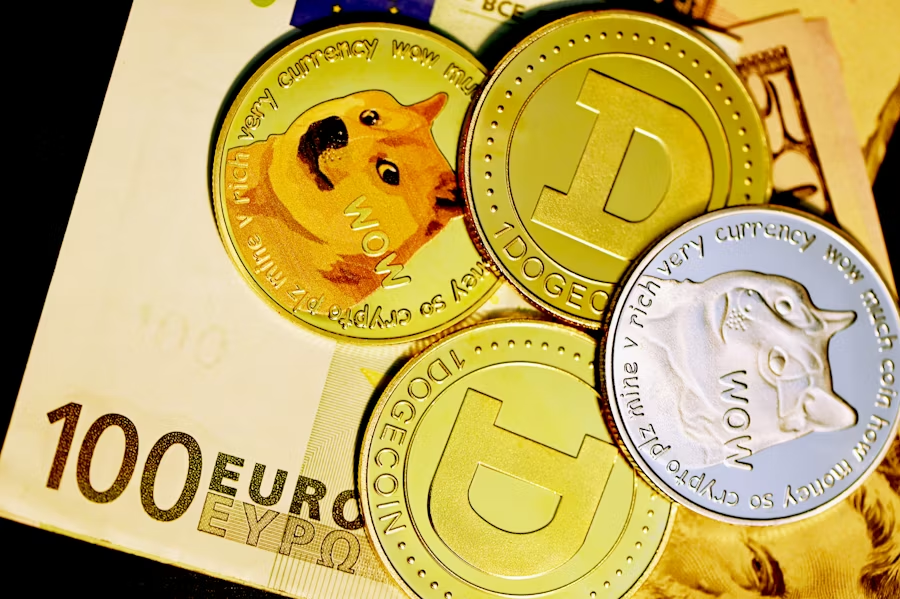
1.1 Dogecoin's Sentiment-Driven Bursts
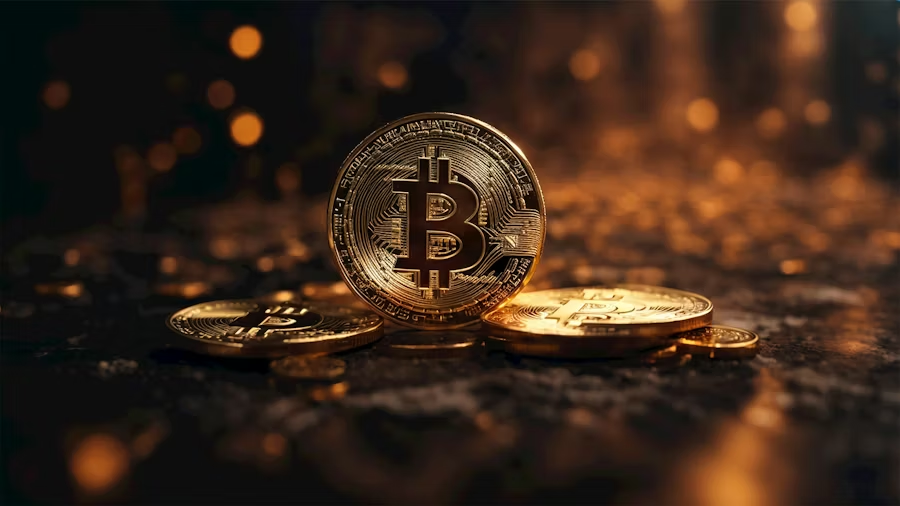
1.2 Bitcoin's Macro- and Structure-Linked Volatility
2. Supply Mechanics: Scarcity vs Rule-Based Inflation
2.1 Bitcoin: Capped Supply and Declining Issuance
2.2 Dogecoin: No Cap, but Predictable Issuance Framing
3. Trading Behavior: Liquidity Depth, Participation, and Narrative Gravity
3.1 Bitcoin as a "Cycle Anchor" in Crypto Markets
3.2 Dogecoin's Retail- and Narrative-Linked Activity
- Larger reactions during social amplification
- Faster sentiment shifts
- Sharper short-term moves when meme-sector attention is high
4. Quick Comparison Table (Bitcoin vs Dogecoin)
Dimension | Bitcoin (BTC) | Dogecoin (DOGE) | Why It Affects Behavior (Not a Prediction) |
Supply model | Capped, declining issuance over time | No max supply; rule-based annual issuance (~5B/yr) | Shapes scarcity vs ongoing-issuance narratives |
Typical volatility drivers | Macro + broad market positioning | Attention + retail sentiment cycles | Different catalysts dominate in different regimes |
Narrative gravity | Scarcity / store-of-value framing | Culture-native / community visibility framing | Narrative affects participation and timing |
Market role | Often treated as a cycle reference asset | Often treated as a meme-sector sentiment asset | Changes how flows and sentiment express |
5. Utility Narratives: How They're Commonly Framed
5.1 Bitcoin: Store-of-Value Framing
5.2 Dogecoin: Community-Led Identity
6. Risks and Market Considerations (Neutral)
Conclusion
Popüler Makaleler

Why Is XRP Going Up? Key Drivers Behind the Rally
XRP surged more than 18% in the first five days of January, breaking decisively above $2.12.This rally caught many traders off guard, but specific catalysts explain why XRP is going up right now.This
How to Trade TSLA Earnings Volatility: Profit from Price Swings on MEXC
Every quarter, the release of Tesla (TSLA) earnings reports creates a frenzy in the financial markets. For long-term investors, this is a time of anxiety as they wait to see if the company met revenue

Can XRP Reach 1000? Understanding the Math Behind This Question
The question "can XRP reach 1000" has become one of crypto's most debated topics.With Ripple's growing institutional partnerships and recent regulatory wins, many investors wonder if such extreme pric

Should I Buy XRP Now? What You Need to Know Before Investing
You've seen the headlines about XRP hitting highs and then pulling back.Maybe you're wondering if this is your moment to invest, or if you should wait for a better entry point.This guide walks you thr
Popüler Haberler
Daha Fazla Göster
Pepe Coin Price Prediction: PEPE Just Crushed DOGE and SHIB – Is This the Meme Coin Flippening?
Market Participants are betting on PEPE as the meme coin to challenge market leaders – Pepe coin price predictions eye continuation.
APEMARS Lead as Best Meme Coin Presale While Dogecoin and SPX6900 Grow
The post APEMARS Lead as Best Meme Coin Presale While Dogecoin and SPX6900 Grow appeared on BitcoinEthereumNews.com. Crypto Projects Looking for the best meme coin

Dogecoin Whale Buying Surge Signals Rally Toward $0.300 Target Soon
Dogecoin whale wallets have been on a buying spree, acquiring over 137 million DOGE in the past 12 hours. This indicates that major holders are stepping in again

Dogecoin Prepares For Major Recovery As Bullish Momentum Builds – Here’s The Target
The post Dogecoin Prepares For Major Recovery As Bullish Momentum Builds – Here’s The Target appeared on BitcoinEthereumNews.com. Dogecoin (DOGE) is attempting
İlgili Makaleler

Common Dogecoin Trading Mistakes Beginners Make and How to Avoid Them
Dogecoin (DOGE)is one of the most famous digital assets in crypto. Its meme identity, familiar branding, and constant online conversation can make DOGE feel "easy" to understand—sometimes easier than

How to Store Dogecoin (DOGE) Safely: Practical Wallet Guide & Risk Prevention Tips
Securing your digital assets is paramount after acquiring cryptocurrency. ForDogecoin (DOGE)—a digital currency renowned for its community-driven ethos and accessibility—choosing the right wallet and
Dogecoin (DOGE) Spot vs. Futures Trading: Which Suits Your Risk Profile?
Dogecoin (DOGE)has evolved from a meme-era experiment into one of the most widely recognized digital assets. As attention grew, exchanges expanded the ways users can access DOGE markets. Today, most D
How to Trade Dogecoin (DOGE) on MEXC: A Step-by-Step Guide to Spot and Futures Trading
Dogecoin (DOGE)is among the most discussed and actively traded crypto assets. It experiences sharp price swings driven by liquidity conditions, attention cycles, and broader market sentiment. As a res