

US-China Trade Deal: Crucial Preliminary Agreement Reached to Stabilize Tariffs

BitcoinWorld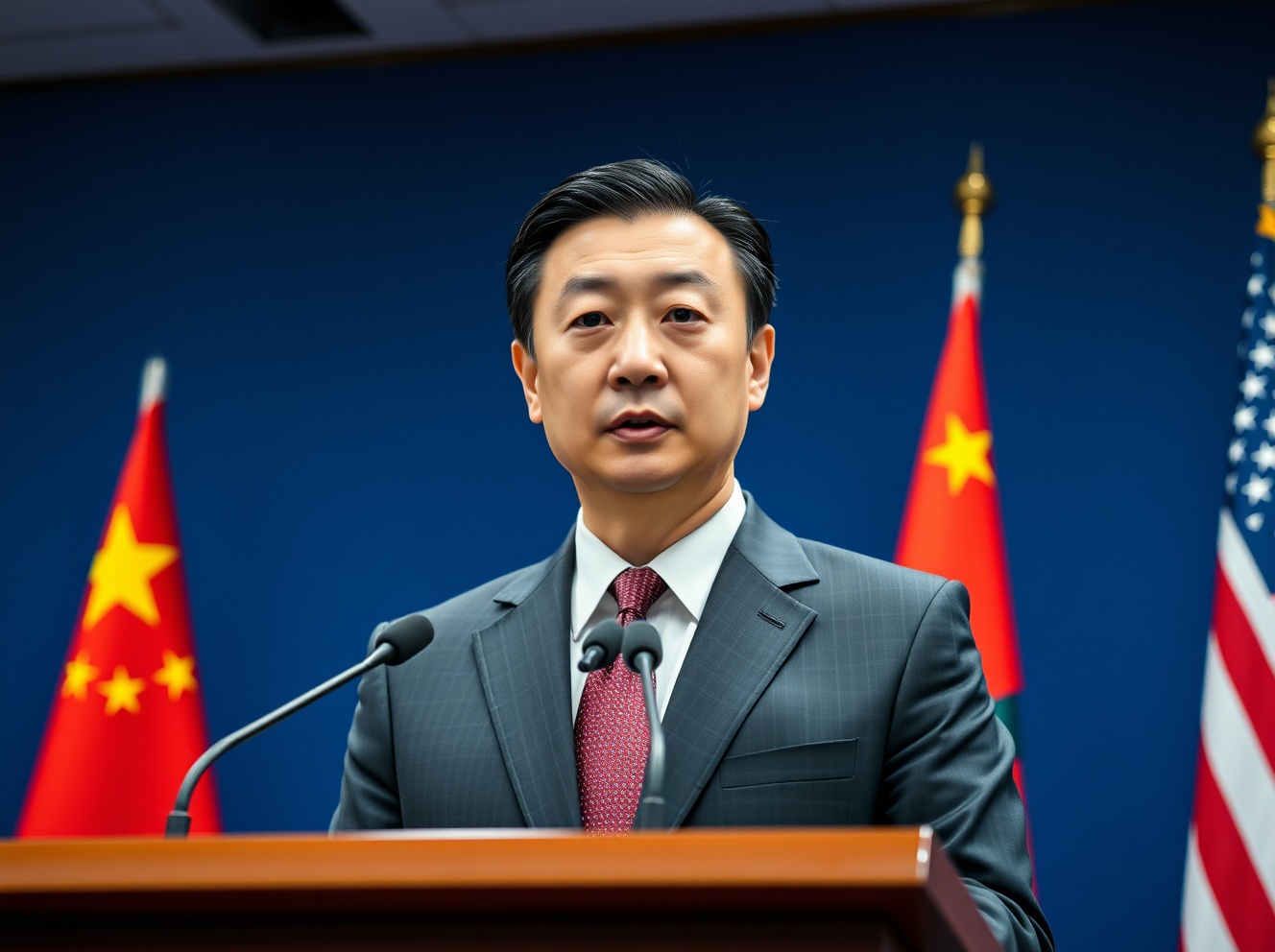
US-China Trade Deal: Crucial Preliminary Agreement Reached to Stabilize Tariffs
In a significant development for global commerce, Chinese and American negotiators have forged a preliminary agreement to maintain stable tariff levels, a move that promises to calm volatile international markets. This announcement, made by senior Chinese trade official Li Chenggang on Tuesday, marks a pivotal step toward de-escalating long-standing economic tensions between the world’s two largest economies. The deal directly addresses a core friction point that has weighed on businesses and supply chains for years.
US-China Trade Deal: The Core Announcement
Li Chenggang, serving as China’s deputy international trade representative and vice minister of commerce, formally disclosed the breakthrough. He stated that both nations reached a preliminary understanding to keep existing tariffs stable, thereby halting further escalations. This agreement emerged from recent high-level discussions aimed at managing the complex economic relationship. Consequently, businesses that rely on trans-Pacific trade can now operate with greater short-term certainty regarding import and export costs.
Furthermore, this stability is not an isolated event. It builds upon previous diplomatic engagements and follows a period of intense technical consultations. The deal specifically prevents the imposition of new tariffs that were under consideration by both sides. Analysts view this as a confidence-building measure, essential for repairing strained commercial dialogues. Importantly, it provides a foundation for more substantive negotiations on broader trade issues in the future.
Context and Background of the Tariff Dispute
The journey to this point has been lengthy and contentious. The US-China trade war, which escalated significantly in 2018, saw successive rounds of tit-for-tat tariff increases. These measures impacted hundreds of billions of dollars worth of goods, from electronics and machinery to agricultural products. The conflict created widespread uncertainty, disrupted global supply chains, and increased costs for manufacturers and consumers worldwide.
For instance, the US imposed tariffs on approximately $370 billion of Chinese imports annually. In response, China levied duties on over $110 billion worth of American goods. This economic standoff became a defining feature of international relations for nearly a decade. Therefore, the current agreement to pause this cycle represents a deliberate shift in strategy. It signals a mutual recognition of the economic damage caused by perpetual escalation.
Economic Impacts and Market Reactions
Immediate market reactions to the news were notably positive. Major Asian and European stock indices recorded gains, while commodity prices linked to industrial activity showed stability. Financial experts attribute this response to the reduction of a key geopolitical risk premium that has burdened investment decisions. The agreement removes an immediate threat of increased costs for countless companies engaged in international trade.
Key sectors expected to benefit include:
- Electronics and Technology: Manufacturers reliant on components from both countries.
- Automotive Industry: Companies with intricate cross-border supply chains.
- Agriculture: Exporters of American soybeans and Chinese seafood.
- Retail and Consumer Goods: Businesses importing finished products.
Moreover, the deal may help moderate inflationary pressures in both economies. Tariffs function as a tax on trade, and their stability helps businesses plan without fearing sudden cost spikes. This predictability is crucial for long-term investment and inventory planning, especially for small and medium-sized enterprises.
Diplomatic Significance and Future Negotiations
Diplomatically, this preliminary deal serves as a crucial trust-building exercise. It demonstrates that both capitals retain functional channels for economic dialogue despite broader strategic competition. The agreement likely resulted from working-level talks that prepared the groundwork for higher-level political approval. Observers note that such technical agreements often pave the way for more comprehensive deals.
However, experts caution that this is a preliminary step, not a final resolution. The core issues of technology transfer, intellectual property protection, and market access remain on the table. The current tariff stability creates a necessary breathing space. It allows negotiators to address these more complex structural issues without the constant threat of renewed tariff wars. The next phase of talks will likely focus on these enduring challenges.
Global Supply Chain Implications
The stability of US-China tariffs has profound implications for global supply chains. For years, companies have pursued “de-risking” strategies, diversifying production away from China to other nations in Southeast Asia and elsewhere. While this trend will continue, the new agreement may slow its pace. It provides multinational corporations with a more predictable cost environment for their existing Chinese operations.
Consequently, business leaders can make investment decisions based on commercial efficiency rather than pure geopolitical risk mitigation. This could lead to a period of consolidation in certain supply chains. The table below outlines the immediate versus long-term effects on different stakeholders:
| Stakeholder | Immediate Effect | Long-Term Consideration |
|---|---|---|
| Importers | Cost certainty for current shipments. | Reduced urgency for full supply chain relocation. |
| Exporters | Stable access to key markets. | Ability to plan for capacity expansion. |
| Consumers | Avoidance of near-term price hikes. | Potential for more competitive pricing. |
| Investors | Reduction in market volatility. | Clearer framework for cross-border investments. |
Conclusion
The preliminary US-China trade deal to stabilize tariffs is a vital development for the global economy. It halts a damaging cycle of escalation and injects much-needed predictability into international commerce. While challenges remain, this agreement establishes a crucial foundation for more substantive negotiations. The focus now shifts to whether both nations can build on this momentum to address deeper structural issues. For now, businesses and markets welcome the respite and the promise of more stable trading conditions ahead.
FAQs
Q1: What exactly did China and the US agree to?
The two countries reached a preliminary agreement to keep existing tariff levels stable, meaning they will not increase or impose new tariffs on each other’s goods while the deal is in effect. This is a standstill agreement aimed at de-escalating trade tensions.
Q2: Who announced the deal and what is their role?
Li Chenggang, China’s deputy international trade representative and vice minister of commerce, made the official announcement. He is a senior official directly involved in trade negotiations and policy formulation.
Q3: Does this mean the US-China trade war is over?
No, this is not a final resolution. It is a preliminary agreement to prevent further escalation. The core disputes over technology, intellectual property, and market access remain unresolved, but this deal creates a more stable environment for future talks.
Q4: How will this agreement affect everyday consumers?
Consumers are likely to benefit from increased price stability for a wide range of goods, from electronics and clothing to home appliances. The deal helps avoid immediate price increases that would have resulted from new tariffs.
Q5: What are the next steps following this preliminary deal?
The next phase will involve technical working groups to solidify the details of the agreement and establish monitoring mechanisms. Subsequently, negotiators are expected to turn their attention to the more complex, long-term structural issues in the bilateral economic relationship.
This post US-China Trade Deal: Crucial Preliminary Agreement Reached to Stabilize Tariffs first appeared on BitcoinWorld.
You May Also Like

Ethereum unveils roadmap focusing on scaling, interoperability, and security at Japan Dev Conference

Spot Demand Rises as Bull Flag Breaks
