Vitalik Buterin introduces DVT-lite to simplify Ethereum (ETH) staking. Foundation stakes 72K ETH as network reaches 37.5M staked, worth $76.5B total. The post Vitalik Buterin introduces DVT-lite to simplify Ethereum (ETH) staking. Foundation stakes 72K ETH as network reaches 37.5M staked, worth $76.5B total. The post

Vitalik Buterin Introduces DVT-Lite to Streamline Ethereum (ETH) Staking Process

2026/03/10 17:02
3 min read
For feedback or concerns regarding this content, please contact us at [email protected]

Key Highlights

  • Ethereum’s Vitalik Buterin proposes DVT-lite to enable “one-click” staking accessibility for institutional participants
  • In February, the Ethereum Foundation deployed 72,000 ETH through a streamlined “DVT-lite” configuration
  • The DVT-lite framework deploys identical validator keys across multiple machines, ensuring automatic failover if one system fails
  • The Foundation’s 72,000 ETH deposit sits in the validator activation queue with expected activation on March 19
  • Network-wide staking has reached 37.5 million ETH, valued at roughly $76.5 billion, accounting for 31% of circulating supply

Vitalik Buterin, co-creator of Ethereum, is championing a new approach to make staking more accessible to institutional players through a streamlined distributed validator technology variant dubbed DVT-lite. Buterin contends that overly complicated technical requirements are undermining network decentralization and believes ETH holders should participate in staking without requiring specialized expertise.

Through a social media post on X, Buterin outlined his vision to transform distributed staking into a “maximally easy and one-click” experience for institutions. He detailed an architecture where validators operate within simplified containerized systems, such as Docker containers, with automatic peer-to-peer cluster connectivity.

The architecture employs a single validator key distributed across multiple machines. When one machine experiences downtime, backup systems seamlessly assume validation duties, minimizing exposure to penalties — referred to as “slashing” — that result from validator inactivity.

This approach diverges from traditional DVT implementations, which fragment private keys across numerous machines and demand continuous inter-node coordination. While traditional DVT offers enhanced security, it introduces significant configuration complexity. DVT-lite targets delivering comparable advantages with substantially reduced operational overhead.

Foundation Pilots DVT-Lite With Major Deployment

The Ethereum Foundation has already implemented DVT-lite in real-world conditions, deploying 72,000 ETH through this system in February. These funds currently await activation in the validator entry queue, with full staking scheduled for March 19.

Buterin revealed his intention to personally adopt this configuration and encouraged other major ETH stakeholders to do likewise. His objective is distributing validator control across a broader participant base rather than consolidating power among a limited group of specialized operators.

Earlier in January, he had proposed “native DVT” integration directly into the protocol layer, enabling staking participation without dependency on individual nodes. DVT-lite represents the immediate, implementable iteration of that broader concept.

Staking Activity Continues Surging Despite Market Conditions

Even as Ether trades near $2,068 and has lagged behind other assets recently, staking participation continues showing robust growth.

The validator entry queue currently contains 3.2 million ETH, creating a 55-day waiting period for new validators. Meanwhile, the exit queue holds merely 29,000 ETH with only a 12-hour processing time.

Across the entire network, 37.5 million ETH is actively staked. This figure represents 31% of Ethereum’s total supply and carries an approximate market value of $76.5 billion based on prevailing prices.

The Ethereum Foundation’s 72,000 ETH commitment will transition to active validation status on March 19, following completion of the entry queue process.

The post Vitalik Buterin Introduces DVT-Lite to Streamline Ethereum (ETH) Staking Process appeared first on Blockonomi.

Market Opportunity
Ethereum Logo
Ethereum Price(ETH)
$2,060.6
$2,060.6$2,060.6
+1.84%
USD
Ethereum (ETH) Live Price Chart
Disclaimer: The articles reposted on this site are sourced from public platforms and are provided for informational purposes only. They do not necessarily reflect the views of MEXC. All rights remain with the original authors. If you believe any content infringes on third-party rights, please contact [email protected] for removal. MEXC makes no guarantees regarding the accuracy, completeness, or timeliness of the content and is not responsible for any actions taken based on the information provided. The content does not constitute financial, legal, or other professional advice, nor should it be considered a recommendation or endorsement by MEXC.

You May Also Like

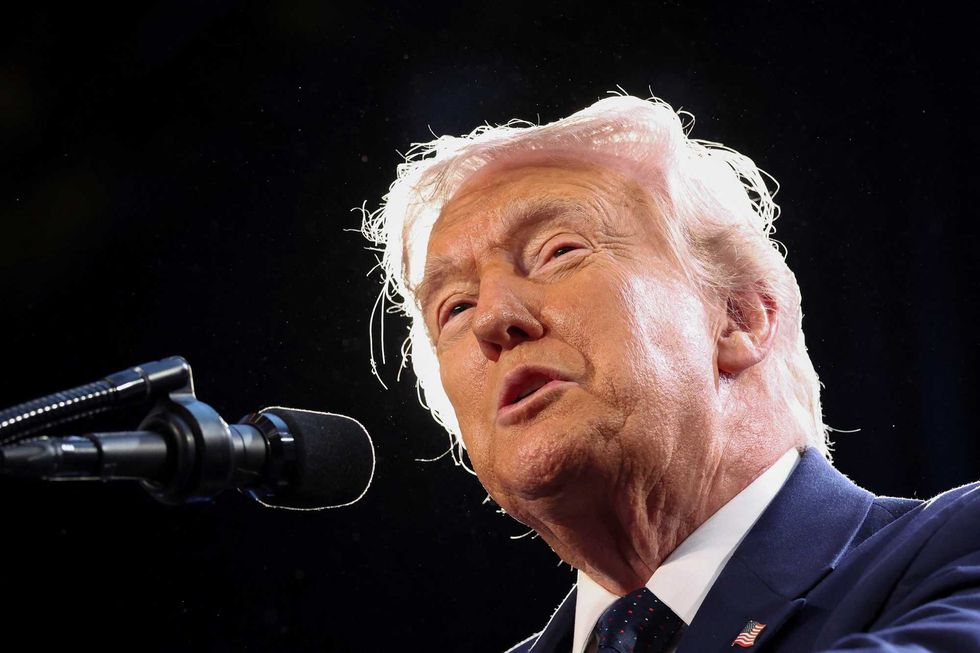
France’s Macron says UN snapback sanctions on Iran coming in a week
France’s Macron says UN snapback sanctions on Iran coming in a week

The post France’s Macron says UN snapback sanctions on Iran coming in a week appeared on BitcoinEthereumNews.com. French President Emmanuel Macron told Israel’s Channel 12 on Thursday that United Nations sanctions on Iran will be back in force at the end of September. Asked directly if the sanctions were a “done deal,” Macron replied, “Yes, I think so. Because the latest news we have from the Iranians are not serious.” Macron then explained that Iran’s foreign minister Abbas Araghchi “tried to make a reasonable offer” to European leaders, but his plan lacked support from others inside the Iranian leadership. On Wednesday, Iran gave Britain, Germany, and France a proposal aimed at avoiding sanctions. European leaders advance snapback mechanism Axios had reported that a draft resolution to extend the suspension of sanctions was circulated at the UN Security Council on Thursday, with a vote planned for Friday. But the draft is unlikely to pass, meaning the snapback mechanism would move forward, restoring sanctions on Iran come September 27. Britain, France, and Germany triggered the snapback process on August 28 under Resolution 2231. They demanded Iran return to negotiations, allow wider inspections, and explain missing uranium stockpiles. Araghchi warned last week that if sanctions return, “they will be excluded from nuclear negotiations with the Islamic Republic.” Oil prices showed little reaction to the political drama. Brent crude slipped 1 cent to $67.43 per barrel, and U.S. West Texas Intermediate dipped 4 cents to $63.53. Both benchmarks remained on track for a second week of gains, even as the U.S. Federal Reserve cut interest rates. The E3 offered to delay the sanctions for six months if Iran allowed inspectors from the International Atomic Energy Agency back into nuclear facilities and opened talks with Washington. Inspectors also sought answers about Iran’s enriched uranium stocks, which remain uncertain since Israeli and U.S. strikes hit Iranian nuclear sites in June. Germany warns sanctions…
Share
BitcoinEthereumNews2025/09/19 12:31
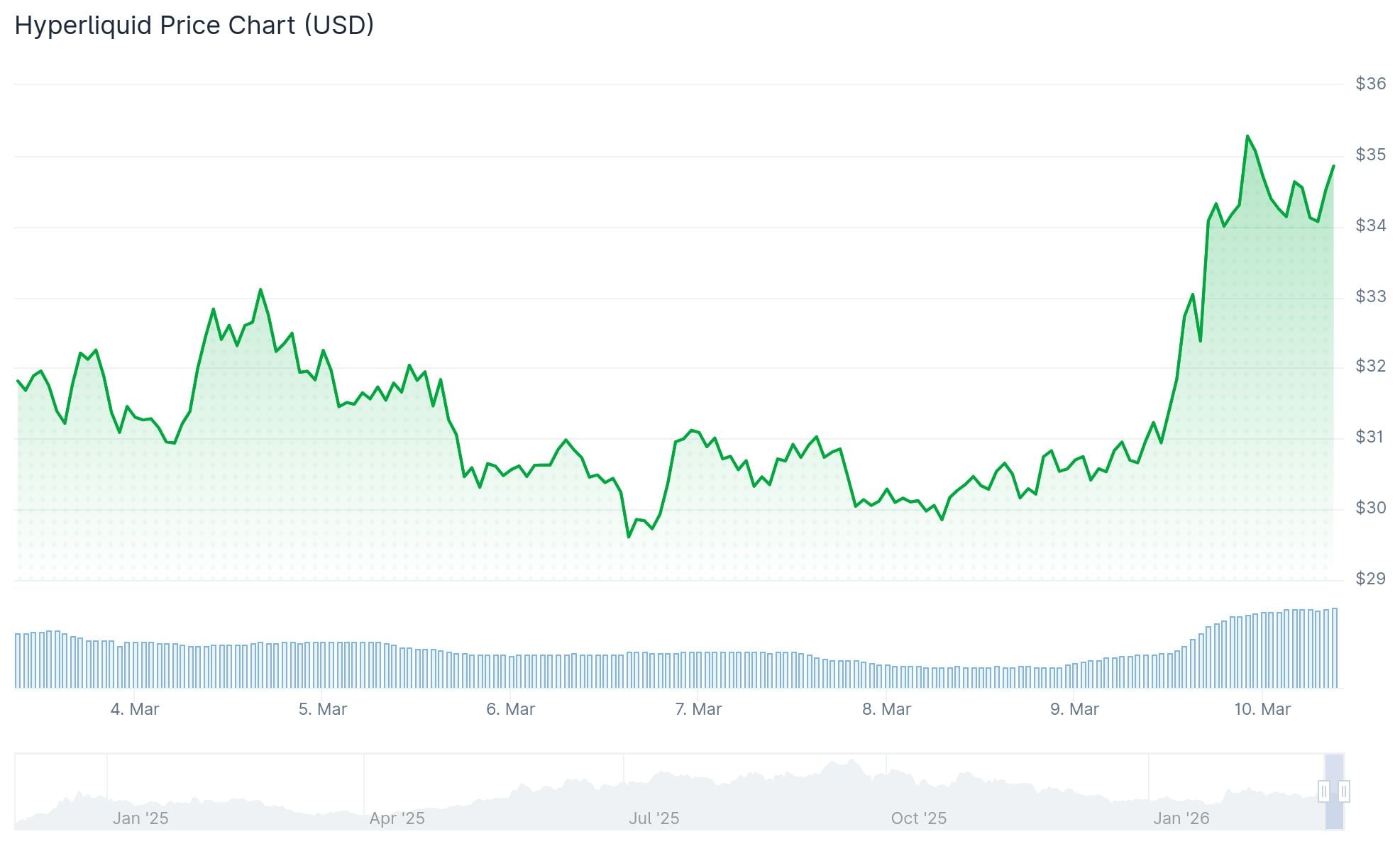
This is Trump's tell that all isn't well
This is Trump's tell that all isn't well

Years ago, I was drinking with friends in a dive bar with a jukebox. I went over, quarters in hand, and noticed “It’s the Same Old Song” by the Four Tops, sitting
Share
Rawstory2026/03/10 17:30
Pudgy Penguins (PENGU) Price: Token Rises 9% After Pudgy World Game Launch

Pudgy Penguins (PENGU) Price: Token Rises 9% After Pudgy World Game Launch

TLDR Pudgy Penguins launched Pudgy World, a browser-based game with 12 towns, quests, and mini-games The PENGU token rose around 9% following the launch announcement
Share
Coincentral2026/03/10 17:22