Holders who can predict the listing of top CEXs will get the biggest profits. This article lists the Memecoins that may be listed on Binance, including GOAT, ZEREBRO, DOG, SPX, RETARDIO, PUPS, etc.Holders who can predict the listing of top CEXs will get the biggest profits. This article lists the Memecoins that may be listed on Binance, including GOAT, ZEREBRO, DOG, SPX, RETARDIO, PUPS, etc.

Analysis: 9 Memecoins That Could Be Listed on Binance

2024/11/18 16:19
3 min read

Author: 0xNobler , Crypto KOL

Compiled by: Felix, PANews

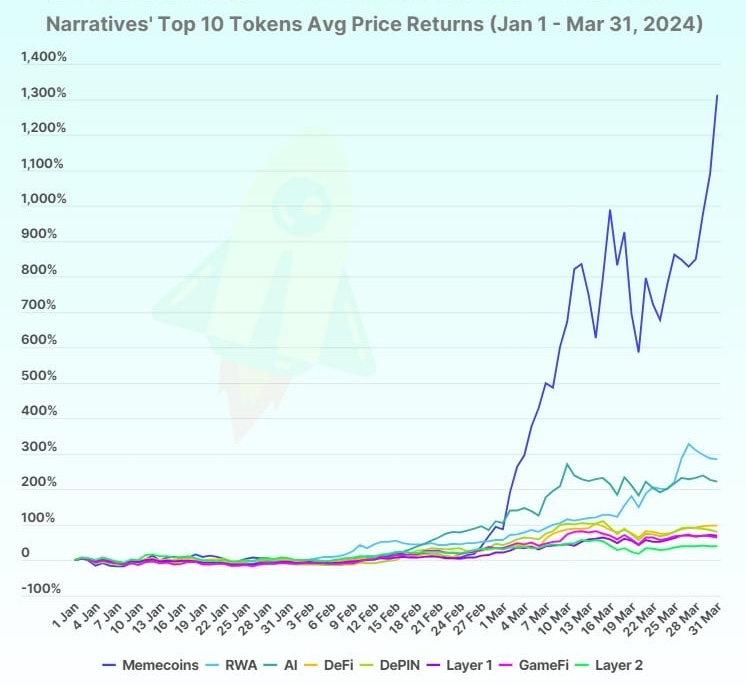
Memecoin has gained popularity recently and has become a major narrative in the crypto space. The popularity of Memecoin is growing almost every day, and even Binance has started listing low-market-cap Memecoins such as ACT, PNUT, NEIRO, etc.

The appeal of Memecoin is quick profits, and Meme is the only narrative that can consistently provide 20-100x returns with relative ease. It is worth noting that such gains usually occur before listing on the top CEXs, which means that holders who can predict the listing on the top CEXs will reap the greatest profits.

Here are the Memecoins that may be listed on Binance.
Analysis: 9 Memecoins That Could Be Listed on Binance

GOAT

Gospel of Goatse is the first meme created by terminal of truths, an AI chatbot that combines AI with memecoin culture.

  • Track: AI
  • Market value: $1.2 billion

Related reading: GOAT’s rise has paused, is $800 million the end point of AI Meme?

ZEREBRO

zerebro is an AI-based content generation tool that can autonomously create and distribute content on platforms such as Twitter, Warpcast and Telegram. ZEREBRO uses an advanced Retrieval Enhanced Generation (RAG) system and conducts modular design based on it.

  • Track: AI
  • Market value: $281 million

Related reading: An average increase of 98% in three days, a review of AI Meme potential coins

DOG

DOG is a decentralized, community-driven memecoin based on the Runes protocol on Bitcoin, tradable on Bitcoin L1, Bitcoin L2, and CEX.

  • Track: Bitcoin Runes
  • Market value: $735 million

Related reading: Runes sees a "small bull run" amid crypto market volatility, and the Meme "zoo" market attracts attention

SPX

SPX6900 is a stock market based meme coin that replicates the success of the S&P 500 index.

  • Track: meme
  • Market value: $580 million

Related reading: Memecoin: The craziest money-making machine in history?

RETARDIO

RETARDIO is a community-driven Solana memecoin whose ecosystem includes NFT collections (ranked #3 on Magic Eden) and a casino.

  • Track: Memes
  • Market cap: $151 million

Related reading: How to find the next golden dog? Emotions, emotions, and more emotions

PUPS

Pups is the first community-driven Memecoin in the Bitcoin ecosystem. The symbol is a puppet monkey with a hat, which echoes dogwifhat.

  • Track: Bitcoin Runes
  • Market value: $330 million

Related reading: The “Puppet Monkey Empire” is gradually rising, and the BRC-20 ecological meme coin PUPS has become a new star

BITCOIN

HPOS10I ETH is a community driven memecoin inspired by a backpack found in a Dutch store covered with various unrelated logos and text. HPOS10I ETH is a project that calls itself "the shitcoin to end all shitcoins".

  • Track: Meme
  • Market value: $258 million

SUNDOG

SunDog is a dog emoji-themed memecoin and the largest “going to the Sun” memecoin on the Tron chain.

  • Track: Meme
  • Market value: $204 million

Related reading: How did the meme with a market value of hundreds of billions come into being? And how can we capture it?

FARTCOIN

Fartcoin is a Memecoin on the SOL chain, created by the same AI that developed GOAT. The project allows users to configure the settings of the conversation room and then watch two AIs converse without any constraints.

  • Track: AI
  • Market value: $369 million

Related reading: IOSG: GOAT continuously dominates the screen, how does AI-driven meme grab attention and traffic economy?

Market Opportunity
SPX6900 Logo
SPX6900 Price(SPX)
$0.3011
$0.3011$0.3011
-2.68%
USD
SPX6900 (SPX) Live Price Chart
Disclaimer: The articles reposted on this site are sourced from public platforms and are provided for informational purposes only. They do not necessarily reflect the views of MEXC. All rights remain with the original authors. If you believe any content infringes on third-party rights, please contact [email protected] for removal. MEXC makes no guarantees regarding the accuracy, completeness, or timeliness of the content and is not responsible for any actions taken based on the information provided. The content does not constitute financial, legal, or other professional advice, nor should it be considered a recommendation or endorsement by MEXC.

You May Also Like

Cashing In On University Patents Means Giving Up On Our Innovation Future

Cashing In On University Patents Means Giving Up On Our Innovation Future

The post Cashing In On University Patents Means Giving Up On Our Innovation Future appeared on BitcoinEthereumNews.com. “It’s a raid on American innovation that would deliver pennies to the Treasury while kneecapping the very engine of our economic and medical progress,” writes Pipes. Getty Images Washington is addicted to taxing success. Now, Commerce Secretary Howard Lutnick is floating a plan to skim half the patent earnings from inventions developed at universities with federal funding. It’s being sold as a way to shore up programs like Social Security. In reality, it’s a raid on American innovation that would deliver pennies to the Treasury while kneecapping the very engine of our economic and medical progress. Yes, taxpayer dollars support early-stage research. But the real payoff comes later—in the jobs created, cures discovered, and industries launched when universities and private industry turn those discoveries into real products. By comparison, the sums at stake in patent licensing are trivial. Universities collectively earn only about $3.6 billion annually in patent income—less than the federal government spends on Social Security in a single day. Even confiscating half would barely register against a $6 trillion federal budget. And yet the damage from such a policy would be anything but trivial. The true return on taxpayer investment isn’t in licensing checks sent to Washington, but in the downstream economic activity that federally supported research unleashes. Thanks to the bipartisan Bayh-Dole Act of 1980, universities and private industry have powerful incentives to translate early-stage discoveries into real-world products. Before Bayh-Dole, the government hoarded patents from federally funded research, and fewer than 5% were ever licensed. Once universities could own and license their own inventions, innovation exploded. The result has been one of the best returns on investment in government history. Since 1996, university research has added nearly $2 trillion to U.S. industrial output, supported 6.5 million jobs, and launched more than 19,000 startups. Those companies pay…
Share
BitcoinEthereumNews2025/09/18 03:26
Trump foe devises plan to starve him of what he 'craves' most

Trump foe devises plan to starve him of what he 'craves' most

A longtime adversary of President Donald Trump has a plan for a key group to take away what Trump craves the most — attention. EX-CNN journalist Jim Acosta, who
Share
Rawstory2026/02/04 01:19
Why Bitcoin Is Struggling: 8 Factors Impacting Crypto Markets

Why Bitcoin Is Struggling: 8 Factors Impacting Crypto Markets

Failed blockchain adoption narratives and weak fee capture have undercut confidence in major crypto projects.
Share
CryptoPotato2026/02/04 01:05