Written by: Mach , Foresight News On February 28, the United States and Israel launched a joint airstrike against Iran, resulting in the death of Iran's SupremeWritten by: Mach , Foresight News On February 28, the United States and Israel launched a joint airstrike against Iran, resulting in the death of Iran's Supreme

When life becomes odds: Prediction markets are becoming the digital battlefield of postmodern warfare.

2026/03/02 14:54
6 min read

Written by: Mach , Foresight News

On February 28, the United States and Israel launched a joint airstrike against Iran, resulting in the death of Iran's Supreme Leader Ali Khamenei. This attack shook the geopolitics of the Middle East, and in the 21st century, the flames of war continue to spread, with its impact also creating huge waves in the prediction markets of the crypto world.

When life becomes odds: Prediction markets are becoming the digital battlefield of postmodern warfare.

Polymarket and Kalshi became another "battleground" outside the main battlefield, with traders betting on the timing of attacks, regime change, and ceasefire dates, driving trading volumes to astronomical figures.

In war, there are always people who quietly make a fortune.

Polymarket has become a "barometer" of the conflict. Since last December, they have launched a marketplace for "when will the US strike Iran," covering a variety of date options.

The prediction market "Will Khamenei step down before February 28?" saw a single-day trading volume of $95.93 million on February 28, making it one of the largest geopolitical markets in the platform's history. Its trading volume reached $54.15 million on March 31.

After the attack was confirmed, the market quickly settled for "yes" (currently still in the final dispute period) because Khamenei's death directly led to his "resignation".

While Polymarket currently does not charge any transaction fees for the vast majority of conventional markets on its platform (including all political, geopolitical, popular culture, and long-term macroeconomic events), it introduced fees for specific high-frequency trading markets in early 2026. This expansion of its brand influence has had a significant positive impact on its revenue growth.

Furthermore, Polymarket Global Edition employs a profit-based fee model. Its core logic is that users do not pay transaction fees when placing orders, but when a user closes a profitable position, the platform charges a 2% commission on the net profit. This model only taxes the "winner."

Taking the chart as an example, if the winner's total net profit is $10 million, their revenue from a single forecast market alone would reach $200,000.

Traders flocked to these markets not only for the excitement, but also because they reflected news in real time—much faster than traditional media. Contract prices jumped instantly upon news of the attack, demonstrating the market's "efficiency."

There are always winners in war. In the past, those who profited from conflicts were often arms dealers, oil tycoons, or intelligence brokers—think of Lockheed during World War II or the oil moguls of the Cold War, who made fortunes through contracts and resource monopolies. Ordinary people? At best, they were bystanders; war meant loss and uncertainty for them. But now, the crypto prediction market has overturned this landscape. Platforms like Polymarket allow retail investors to bet on geopolitical events, from the date of US-Iran airstrikes to the probability of regime change, all with a few clicks.

However, participation in this game has blurred moral boundaries. This shift is striking: the "profits" of war have spread from physical supply chains to digital gambling tables. Arms dealers are still making money, but prediction markets have turned ordinary users into new players. They don't produce missiles, yet they can "predict" explosions on the blockchain and reap huge profits.

As conflicts escalate, platform transaction volumes surge, demonstrating the digitization of the war economy.

However, this has also raised many questions – will the thrill of making money diminish compassion for real suffering?

Kalshi, another player, also profited. Their "Will Khamenei step down?" market saw transactions ranging from tens of millions of dollars (slightly different depending on the source). On the day of the attack, the market saw a surge in transactions, reaching tens of millions of dollars in a single day.

However, Kalshi's handling of the situation sparked controversy. The platform's rules included a "no settlement for death" clause, meaning that if someone's departure was due to death, the full amount of the "yes" contract would not be paid.

Following the attack, Kalshi suspended its marketplace. CEO Tarek Mansour posted on X explaining that they oppose profiting from individual deaths, so settlements would be based on the price of the last transaction before the death, with a full refund of all fees. Mansour emphasized that this was to uphold "ethical principles" and prevent the platform from becoming a "death gamble." Some users complained that this seemed like a last-minute rule change, but Kalshi insisted that it was a pre-established clause, with details clarified only the day before the attack.

As a result, the platform lost money, but gained a reputation for "not making money off the dead".

Polymarket's high level of user anonymity has attracted global funding; Kalshi is more compliant, but it limits its market to war and assassination-related topics.

However, while most players are betting based on gut feeling, some insider players are quietly making a fortune.

On Polymarket, some accounts made bets so precisely that it raised suspicions of insider trading. Blockchain analytics firm Bubblemaps discovered that six newly created wallets bet on the February 28th US strike on Iran in the hours leading up to the attack, collectively profiting approximately $1 million.

These six wallets were all created in February of this year, with almost all trading concentrated on contracts predicting the timing of a US military attack. Some positions were established hours before the first reports of explosions in Tehran, with contract purchase prices as low as approximately $0.10. Analysts say that this concentrated betting activity before major geopolitical events resembles "suspected insider trading" in previous prediction markets.

However, the report also pointed out that the account in question had previously lost money in other predictions, and the US government had publicly warned weeks ago of possible military action, so the timing of the transaction alone is not enough to directly prove that there was any illegal activity.

These are not isolated incidents. Polymarket has faced similar scrutiny in the past, such as during the 2024 Super Bowl and the Venezuelan crisis. However, this case is on a larger scale, involving national security. The CFTC has warned of insider trading in the past, and Kalshi recently punished Artem Kaptur, an editor with the well-known YouTube creator MrBeast, for insider trading. Polymarket operates overseas, where regulation is lax, making it a gray area.

U.S. Representative Ritchie Torres is pushing for legislation called the "Public Integrity Act for Financial Prediction Markets of 2026," which aims to restrict government officials with access to non-public information from participating in related prediction market transactions. Meanwhile, Polymarket has faced regulatory restrictions or bans in several countries, including the Netherlands, France, Italy, and Singapore, in recent years.

Of course, not everyone wins. Many people bet on the wrong date and suffered heavy losses. Polymarket has now updated its website's top display, placing predictions related to the situation in Iran at the forefront.

Overall, this "war profiteering" has exposed the double-edged sword of prediction markets: on the one hand, they provide real-time data intelligence and insights; on the other hand, they are easily manipulated or exploited for insider information.

With the trend of betting on everything, future prediction markets may require stricter regulation and clearer rules. After all, the stakes are real money, and behind them are real lives.

Market Opportunity
Notcoin Logo
Notcoin Price(NOT)
$0.0003516
$0.0003516$0.0003516
-0.90%
USD
Notcoin (NOT) Live Price Chart
Disclaimer: The articles reposted on this site are sourced from public platforms and are provided for informational purposes only. They do not necessarily reflect the views of MEXC. All rights remain with the original authors. If you believe any content infringes on third-party rights, please contact [email protected] for removal. MEXC makes no guarantees regarding the accuracy, completeness, or timeliness of the content and is not responsible for any actions taken based on the information provided. The content does not constitute financial, legal, or other professional advice, nor should it be considered a recommendation or endorsement by MEXC.

You May Also Like

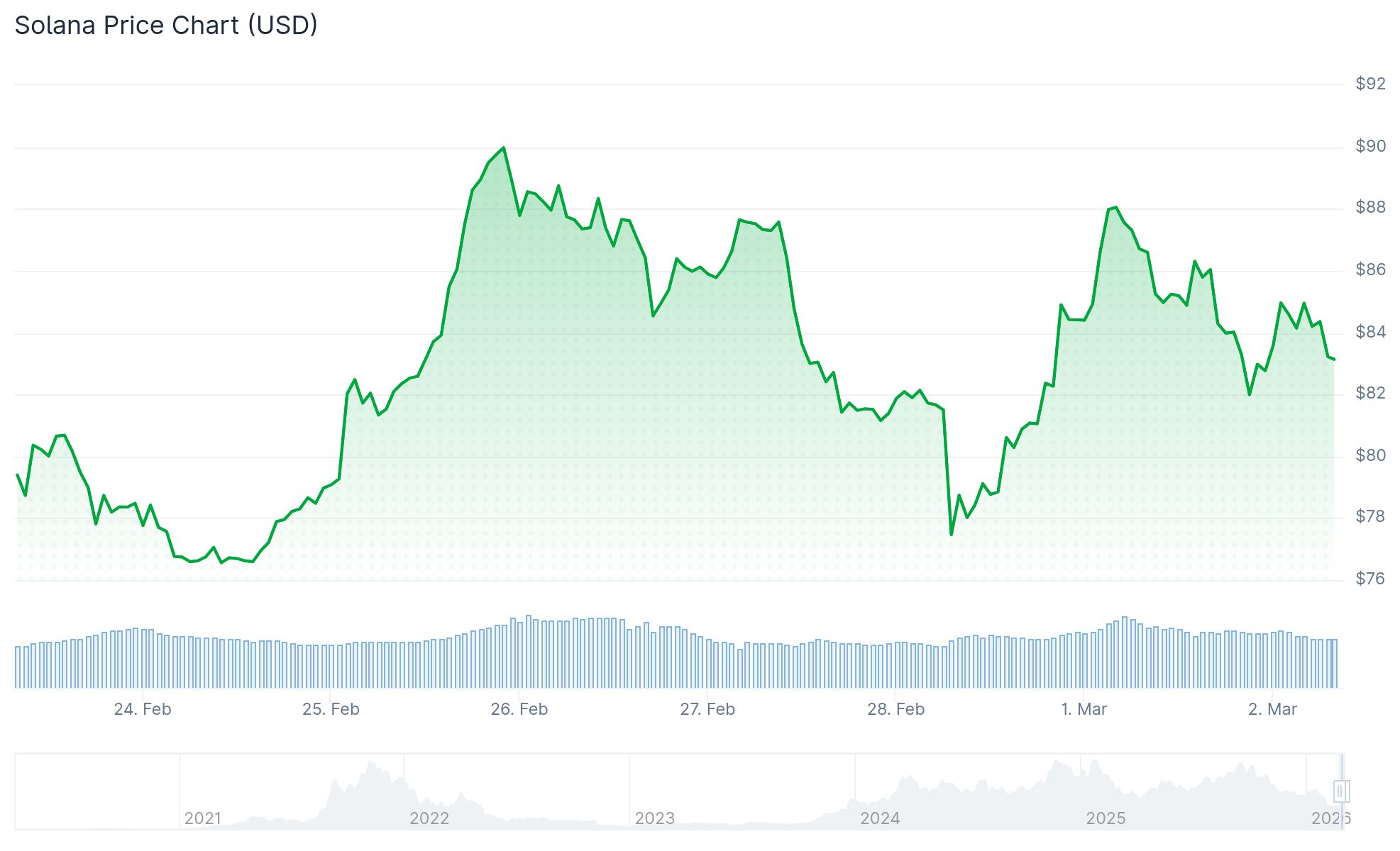
Solana (SOL) Price: Is a Breakout Coming After Four Weeks Stuck in the Same Range?

Solana (SOL) Price: Is a Breakout Coming After Four Weeks Stuck in the Same Range?

TLDR Solana (SOL) has traded in a tight $77–$88 range for nearly four weeks with no clear trend direction US spot Solana ETFs recorded over $44 million in weekly
Share
Coincentral2026/03/02 15:55
South Africa Tax Collector Deploys New Tech to Track Crypto and Offshore Assets

South Africa Tax Collector Deploys New Tech to Track Crypto and Offshore Assets

The post South Africa Tax Collector Deploys New Tech to Track Crypto and Offshore Assets appeared on BitcoinEthereumNews.com. South African crypto-asset service
Share
BitcoinEthereumNews2026/03/02 16:33
Crypto Futures Liquidation: Unpacking the Stunning $105 Million Market Shock

Crypto Futures Liquidation: Unpacking the Stunning $105 Million Market Shock

BitcoinWorld Crypto Futures Liquidation: Unpacking the Stunning $105 Million Market Shock The cryptocurrency market just experienced a sudden jolt, with a staggering $105 million worth of futures liquidated in a single hour. This dramatic event, part of a larger $311 million wipeout over the past 24 hours, has sent ripples across major exchanges. For many traders, this recent wave of crypto futures liquidation serves as a stark reminder of the inherent volatility and risks associated with leveraged trading in digital assets. What Exactly is Crypto Futures Liquidation? Understanding what happened requires a quick look at futures trading. A crypto futures contract is essentially an agreement to buy or sell a cryptocurrency at a predetermined price on a specified future date. Traders use these contracts to speculate on future price movements without owning the underlying asset. Leverage Amplifies Gains and Losses: Many traders utilize leverage, which means they borrow funds to increase their trading position beyond their initial capital. While leverage can magnify profits, it also significantly amplifies potential losses. Margin Calls and Forced Selling: When the market moves against a leveraged position, a trader’s margin (the collateral they put up) might fall below a required threshold. This triggers a “margin call,” where they need to add more funds. If they fail to do so, the exchange automatically closes their position to prevent further losses – this forced closure is known as crypto futures liquidation. The Recent $105 Million Crypto Futures Liquidation: What Triggered It? The recent surge in crypto futures liquidation, particularly the rapid $105 million in one hour, indicates a sharp and unexpected price movement. While the exact catalyst can be complex, such rapid liquidations often occur during: Sudden Price Swings: A rapid upward or downward movement in a major cryptocurrency’s price can quickly push many leveraged positions into unprofitable territory, leading to widespread liquidations. Market-Wide Sentiment Shifts: Unexpected news, regulatory announcements, or macroeconomic data can trigger a sudden shift in market sentiment, causing a cascade of selling or buying pressure. Over the past 24 hours, the total figure climbed to $311 million, highlighting a period of sustained volatility that caught many leveraged traders off guard. Why Does Leverage Play a Crucial Role in Futures Liquidation? Leverage is a double-edged sword. It allows traders to control large positions with relatively small amounts of capital. However, even a minor price fluctuation can have a significant impact on highly leveraged positions. When the market moves contrary to a trader’s bet, their equity can diminish rapidly. This is where the automatic liquidation mechanism kicks in. Exchanges implement this system to protect themselves and other traders from excessive losses. It ensures that a trader’s losses do not exceed their collateral, but it also means positions can be closed unexpectedly and quickly, contributing to the dramatic numbers seen in the recent crypto futures liquidation event. Navigating the Volatility: How Can Traders Prepare for Futures Liquidation Events? For those involved in or considering crypto futures trading, understanding and managing risk is paramount. The recent crypto futures liquidation serves as a powerful lesson. Here are some actionable insights: Use Lower Leverage: While tempting, high leverage dramatically increases risk. Opting for lower leverage significantly reduces the chance of premature liquidation. Implement Stop-Loss Orders: These orders automatically close a position if the price reaches a predetermined level, limiting potential losses before a full liquidation occurs. Manage Position Sizing: Never allocate too much of your portfolio to a single trade, especially a leveraged one. Diversification and responsible position sizing are key. Stay Informed: Keep abreast of market news, technical analysis, and global economic factors that could influence cryptocurrency prices. Beyond the Headlines: What Does This Mean for the Broader Crypto Market? While large-scale crypto futures liquidation events can be unsettling, they are a regular, albeit dramatic, feature of highly leveraged markets. Often, such events can “cleanse” the market of over-leveraged positions, potentially paving the way for more stable price action in the short term. However, they also underscore the need for caution and robust risk management practices, especially for new traders entering the volatile world of crypto futures. The recent $105 million liquidation is a stark reminder that while opportunities abound in crypto, so do significant risks. It emphasizes the importance of understanding the tools you’re using, especially leverage, and trading responsibly to protect your capital. Stay informed, manage your risks, and approach the market with a clear strategy. Frequently Asked Questions About Crypto Futures Liquidation Q1: What is the primary cause of crypto futures liquidation? A1: The primary cause is typically a sudden and significant price movement in the underlying cryptocurrency that goes against a trader’s leveraged position, causing their margin to fall below the exchange’s required maintenance level. Q2: How can traders avoid liquidation in futures trading? A2: Traders can reduce their risk of liquidation by using lower leverage, setting stop-loss orders to automatically close positions at a certain loss level, managing their position sizes responsibly, and continuously monitoring market conditions. Q3: Does liquidation only happen with leveraged positions? A3: Yes, liquidation specifically refers to the forced closure of a leveraged position when the trader’s collateral (margin) is insufficient to cover potential losses. Spot trading, where you own the asset outright, does not involve liquidation in the same manner. Q4: Is a crypto futures liquidation event bad for the entire market? A4: While immediate liquidations can cause further price volatility and negatively impact sentiment, some analysts view them as a “cleansing” event that removes excessive leverage from the market, potentially leading to a healthier, more stable environment in the long run. However, it certainly signifies a period of heightened risk. Q5: What is the difference between a margin call and liquidation? A5: A margin call is a notification from the exchange that your margin level is too low and you need to deposit more funds to maintain your position. Liquidation is what happens if you fail to meet that margin call; the exchange automatically closes your position to prevent further losses. Understanding market dynamics like crypto futures liquidation is crucial for navigating the cryptocurrency space. If you found this article insightful, please share it with your network on social media to help others better understand these significant market events and trade more responsibly. To learn more about the latest crypto market trends, explore our article on key developments shaping Bitcoin price action. This post Crypto Futures Liquidation: Unpacking the Stunning $105 Million Market Shock first appeared on BitcoinWorld.
Share
Coinstats2025/09/19 23:40