DraftKings (DKNG) Stock Falls 15% as Company Misses Q4 Earnings and 2026 Guidance
TLDR
- DraftKings reported Q4 revenue of $1.99 billion, up 43% year-over-year, but adjusted earnings per share of $0.36 missed Wall Street’s $0.39 estimate
- Shares fell 15.2% in after-hours trading after the company issued 2026 revenue guidance of $6.5-$6.9 billion, far below the $7.3 billion analyst consensus
- The company’s 2026 adjusted EBITDA forecast of $700-$900 million missed the $981 million consensus due to planned investments in prediction markets
- CEO Jason Robins said DraftKings Predictions, launched in Q4, could represent a $10 billion annual gross revenue opportunity in the years ahead
- DraftKings will generate revenue from Predictions through trading fees and market-making activities, competing with platforms like Kalshi and Polymarket
DraftKings reported fourth-quarter earnings that missed Wall Street expectations Wednesday, sending shares down sharply in after-hours trading. The sports-betting company posted revenue of $1.99 billion for the quarter, marking a 43% increase from the prior year.
Adjusted earnings per share came in at $0.36, below the analyst consensus of $0.39. The miss on earnings came alongside weaker-than-expected guidance for the full year ahead.
The company forecast 2026 revenue between $6.5 billion and $6.9 billion. Wall Street had been expecting $7.3 billion. The gap between guidance and expectations rattled investors.
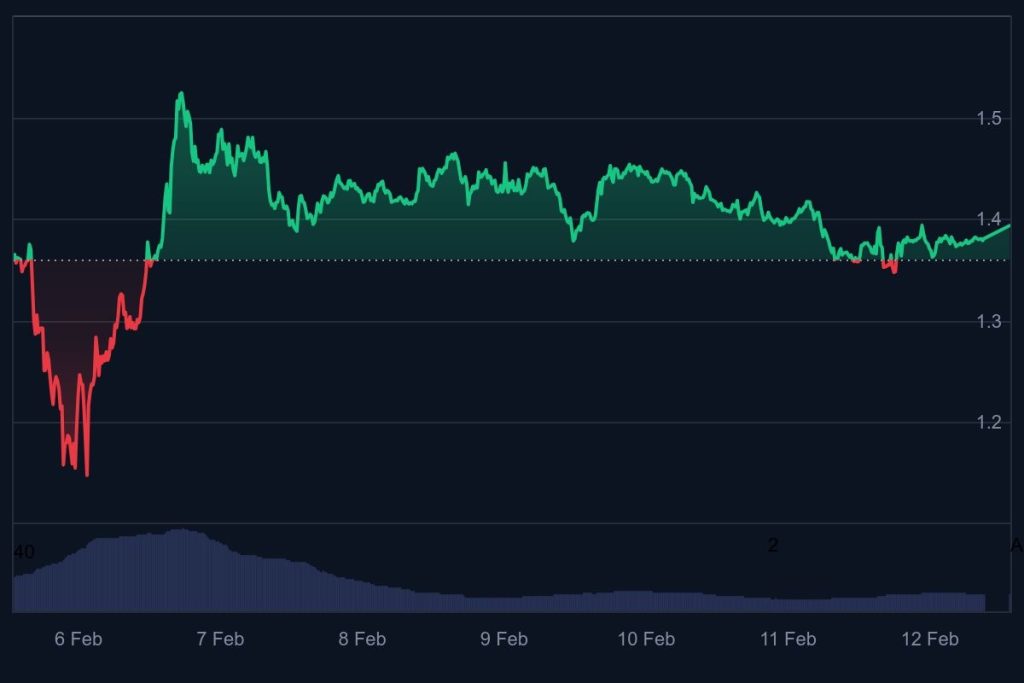
DraftKings Inc., DKNG
Shares dropped 15.2% in after-hours trading Thursday following the announcement.
Heavy Investment in Prediction Markets
DraftKings also issued adjusted EBITDA guidance of $700 million to $900 million for 2026. Analysts surveyed by FactSet had expected $981 million.
The company attributed the lower forecast to planned spending on its new prediction market platform, DraftKings Predictions. CEO Jason Robins devoted considerable attention to the new business line in his shareholder letter.
The prediction market platform launched in the fourth quarter. It allows users to trade on outcomes ranging from sports events to economic indicators like index futures and interest rates.
DraftKings plans to generate revenue from Predictions in two ways. The primary stream will come from fees charged when traders make bets on the platform.
The second revenue source involves market-making activities. Unlike traditional sportsbooks where the house sets odds, prediction markets match traders betting on opposite outcomes.
DraftKings will act as a market-maker, taking the opposite side of some trades. When traders betting against DraftKings lose, the company books a profit.
Competition and Market Dynamics
The launch of DraftKings Predictions serves both defensive and offensive purposes. Prediction markets have pressured stocks of DraftKings and FanDuel parent Flutter as they offer betting options in states without legal sports betting.
The platform also gives DraftKings entry into restricted markets. The company can build a customer database to convert into sportsbook users if those states legalize sports betting.
Sports events drive the majority of volume on prediction market platforms. Kalshi reported 89% of its 2025 fee revenue came from sports trading.
Some analysts have tempered concerns about prediction markets threatening traditional sportsbooks. Jordan Bender, a Citizens analyst covering the gambling industry, wrote in January that prediction markets currently capture roughly 5% of total legal sports betting volume.
DraftKings joins other betting and trading platforms expanding into prediction markets. Robinhood CEO Vlad Tenev said this week he believes prediction markets are entering a “super cycle.” Coinbase announced Thursday it views the prediction market space as a way to diversify beyond crypto.
The company’s 2026 guidance reflects planned jurisdictional launches and disciplined planning. It doesn’t account for the impact of sporting outcomes on results or the modest benefit from year-to-date sport outcomes.
The post DraftKings (DKNG) Stock Falls 15% as Company Misses Q4 Earnings and 2026 Guidance appeared first on CoinCentral.
You May Also Like

WLFI Expands Into Forex With World Swap Launch

Usdt stablecoin could challenge Bitcoin leadership