BitcoinWorld Circle Gateway Unlocks Seamless Cross-Chain Liquidity The world of decentralized finance (DeFi) constantly seeks more efficiency and interconnectedness. A significant step forward recently emerged with Circle’s announcement regarding its Circle Gateway service. This innovation promises to revolutionize how users manage digital assets across various blockchain networks, offering a truly seamless experience. Circle Gateway’s Expanding Horizon Circle, a prominent player in the crypto space, shared exciting news on X: its Circle Gateway service is now live on multiple major mainnets. This expansion marks a pivotal moment for cross-chain operations, aiming to simplify the often complex process of moving liquidity between different blockchains. Initially designed to streamline liquidity management, the service now supports a growing list of popular networks. This includes: Ethereum Arbitrum Avalanche Base Optimism Polygon Unichain This broad support significantly enhances the utility of Circle Gateway for a wide range of users and developers. Why is Unified Liquidity with Circle Gateway a Game Changer? Historically, managing assets across different blockchains presented significant hurdles. Users often faced fragmented liquidity, requiring multiple wallets, complex bridging solutions, and increased transaction fees. The expansion of Circle Gateway directly addresses these challenges. The core benefit lies in its ability to manage cross-chain liquidity through a single, unified balance. Imagine having your digital assets accessible and transferable across various networks without the usual friction. This means: Enhanced Efficiency: Quicker asset transfers and reduced operational complexity. Lower Costs: Potentially fewer transaction fees associated with bridging. Simplified User Experience: A more intuitive way to interact with diverse DeFi protocols. Increased Capital Efficiency: Capital can be deployed more effectively across ecosystems. This streamlined approach makes interacting with the multi-chain world much more accessible for everyone, from individual traders to large institutions leveraging Circle Gateway. Understanding the Mechanism: How Does Circle Gateway Work? At its heart, Circle Gateway functions by allowing users to manage a single pool of liquidity that can be seamlessly deployed across the supported mainnets. Instead of needing separate balances on each chain, users interact with a unified interface. This infrastructure abstracts away the underlying complexities of cross-chain transfers. It essentially acts as a central hub, enabling developers and businesses to build applications that can access liquidity from various chains without needing to manage individual chain-specific balances. This technical innovation underpins the “single balance” promise of Circle Gateway. Impact on the Decentralized Ecosystem The broader implications of this expansion are substantial. For decentralized applications (dApps), Circle Gateway can unlock new possibilities. Developers can design applications that are truly multi-chain, drawing liquidity and users from across different ecosystems without being confined to a single network. For the average crypto user, it means a less intimidating and more fluid experience. They can participate in different DeFi opportunities on Ethereum, then easily move assets to a faster, cheaper Layer 2 like Arbitrum or Optimism, all powered by the convenience of Circle Gateway. This fosters greater interoperability and could accelerate the adoption of blockchain technology. The Future of Cross-Chain Interoperability with Circle Gateway Circle’s move with Circle Gateway is a clear indicator of the industry’s direction: towards a more interconnected and user-friendly blockchain landscape. As more mainnets and Layer 2 solutions emerge, the need for robust cross-chain infrastructure becomes paramount. This expansion sets a precedent for how liquidity can be managed efficiently in a multi-chain future. We can anticipate further integrations and enhancements to Circle Gateway, solidifying its role as a critical piece of the Web3 puzzle. This development truly empowers users and developers alike. In conclusion, Circle’s significant expansion of its Circle Gateway service to include multiple mainnets like Ethereum, Arbitrum, and Polygon is a transformative step for the crypto ecosystem. By enabling the management of cross-chain liquidity through a single balance, Circle is paving the way for a more integrated, efficient, and user-friendly decentralized future. This innovation simplifies complex operations, reduces friction, and ultimately enhances the accessibility and utility of digital assets across the blockchain landscape. It’s an exciting time for anyone involved in the world of crypto. Frequently Asked Questions (FAQs) What is Circle Gateway? Circle Gateway is an infrastructure service developed by Circle that allows for the management of cross-chain liquidity through a single balance, simplifying asset transfers across different blockchain networks. Which mainnets does Circle Gateway now support? As of the recent announcement, Circle Gateway supports Arbitrum, Avalanche, Base, Ethereum, Optimism, Polygon, and Unichain. How does Circle Gateway benefit users? It benefits users by offering enhanced efficiency, potentially lower costs, a simplified user experience, and increased capital efficiency when managing assets across multiple blockchain networks. Is Circle Gateway suitable for developers? Yes, Circle Gateway is highly beneficial for developers as it enables them to build truly multi-chain decentralized applications (dApps) that can access liquidity and users from various ecosystems without managing individual chain-specific balances. What is “cross-chain liquidity”? Cross-chain liquidity refers to the ability to easily move and utilize digital assets across different independent blockchain networks, overcoming the traditional barriers of isolated ecosystems. Did you find this article insightful? Share it with your friends and fellow crypto enthusiasts on social media! Let’s spread the word about how Circle Gateway is simplifying the multi-chain world and fostering greater interoperability. To learn more about the latest crypto market trends, explore our article on key developments shaping cross-chain solutions and DeFi adoption. This post Circle Gateway Unlocks Seamless Cross-Chain Liquidity first appeared on BitcoinWorld and is written by Editorial TeamBitcoinWorld Circle Gateway Unlocks Seamless Cross-Chain Liquidity The world of decentralized finance (DeFi) constantly seeks more efficiency and interconnectedness. A significant step forward recently emerged with Circle’s announcement regarding its Circle Gateway service. This innovation promises to revolutionize how users manage digital assets across various blockchain networks, offering a truly seamless experience. Circle Gateway’s Expanding Horizon Circle, a prominent player in the crypto space, shared exciting news on X: its Circle Gateway service is now live on multiple major mainnets. This expansion marks a pivotal moment for cross-chain operations, aiming to simplify the often complex process of moving liquidity between different blockchains. Initially designed to streamline liquidity management, the service now supports a growing list of popular networks. This includes: Ethereum Arbitrum Avalanche Base Optimism Polygon Unichain This broad support significantly enhances the utility of Circle Gateway for a wide range of users and developers. Why is Unified Liquidity with Circle Gateway a Game Changer? Historically, managing assets across different blockchains presented significant hurdles. Users often faced fragmented liquidity, requiring multiple wallets, complex bridging solutions, and increased transaction fees. The expansion of Circle Gateway directly addresses these challenges. The core benefit lies in its ability to manage cross-chain liquidity through a single, unified balance. Imagine having your digital assets accessible and transferable across various networks without the usual friction. This means: Enhanced Efficiency: Quicker asset transfers and reduced operational complexity. Lower Costs: Potentially fewer transaction fees associated with bridging. Simplified User Experience: A more intuitive way to interact with diverse DeFi protocols. Increased Capital Efficiency: Capital can be deployed more effectively across ecosystems. This streamlined approach makes interacting with the multi-chain world much more accessible for everyone, from individual traders to large institutions leveraging Circle Gateway. Understanding the Mechanism: How Does Circle Gateway Work? At its heart, Circle Gateway functions by allowing users to manage a single pool of liquidity that can be seamlessly deployed across the supported mainnets. Instead of needing separate balances on each chain, users interact with a unified interface. This infrastructure abstracts away the underlying complexities of cross-chain transfers. It essentially acts as a central hub, enabling developers and businesses to build applications that can access liquidity from various chains without needing to manage individual chain-specific balances. This technical innovation underpins the “single balance” promise of Circle Gateway. Impact on the Decentralized Ecosystem The broader implications of this expansion are substantial. For decentralized applications (dApps), Circle Gateway can unlock new possibilities. Developers can design applications that are truly multi-chain, drawing liquidity and users from across different ecosystems without being confined to a single network. For the average crypto user, it means a less intimidating and more fluid experience. They can participate in different DeFi opportunities on Ethereum, then easily move assets to a faster, cheaper Layer 2 like Arbitrum or Optimism, all powered by the convenience of Circle Gateway. This fosters greater interoperability and could accelerate the adoption of blockchain technology. The Future of Cross-Chain Interoperability with Circle Gateway Circle’s move with Circle Gateway is a clear indicator of the industry’s direction: towards a more interconnected and user-friendly blockchain landscape. As more mainnets and Layer 2 solutions emerge, the need for robust cross-chain infrastructure becomes paramount. This expansion sets a precedent for how liquidity can be managed efficiently in a multi-chain future. We can anticipate further integrations and enhancements to Circle Gateway, solidifying its role as a critical piece of the Web3 puzzle. This development truly empowers users and developers alike. In conclusion, Circle’s significant expansion of its Circle Gateway service to include multiple mainnets like Ethereum, Arbitrum, and Polygon is a transformative step for the crypto ecosystem. By enabling the management of cross-chain liquidity through a single balance, Circle is paving the way for a more integrated, efficient, and user-friendly decentralized future. This innovation simplifies complex operations, reduces friction, and ultimately enhances the accessibility and utility of digital assets across the blockchain landscape. It’s an exciting time for anyone involved in the world of crypto. Frequently Asked Questions (FAQs) What is Circle Gateway? Circle Gateway is an infrastructure service developed by Circle that allows for the management of cross-chain liquidity through a single balance, simplifying asset transfers across different blockchain networks. Which mainnets does Circle Gateway now support? As of the recent announcement, Circle Gateway supports Arbitrum, Avalanche, Base, Ethereum, Optimism, Polygon, and Unichain. How does Circle Gateway benefit users? It benefits users by offering enhanced efficiency, potentially lower costs, a simplified user experience, and increased capital efficiency when managing assets across multiple blockchain networks. Is Circle Gateway suitable for developers? Yes, Circle Gateway is highly beneficial for developers as it enables them to build truly multi-chain decentralized applications (dApps) that can access liquidity and users from various ecosystems without managing individual chain-specific balances. What is “cross-chain liquidity”? Cross-chain liquidity refers to the ability to easily move and utilize digital assets across different independent blockchain networks, overcoming the traditional barriers of isolated ecosystems. Did you find this article insightful? Share it with your friends and fellow crypto enthusiasts on social media! Let’s spread the word about how Circle Gateway is simplifying the multi-chain world and fostering greater interoperability. To learn more about the latest crypto market trends, explore our article on key developments shaping cross-chain solutions and DeFi adoption. This post Circle Gateway Unlocks Seamless Cross-Chain Liquidity first appeared on BitcoinWorld and is written by Editorial Team

Circle Gateway Unlocks Seamless Cross-Chain Liquidity

5 min read

BitcoinWorld

Circle Gateway Unlocks Seamless Cross-Chain Liquidity

The world of decentralized finance (DeFi) constantly seeks more efficiency and interconnectedness. A significant step forward recently emerged with Circle’s announcement regarding its Circle Gateway service. This innovation promises to revolutionize how users manage digital assets across various blockchain networks, offering a truly seamless experience.

Circle Gateway’s Expanding Horizon

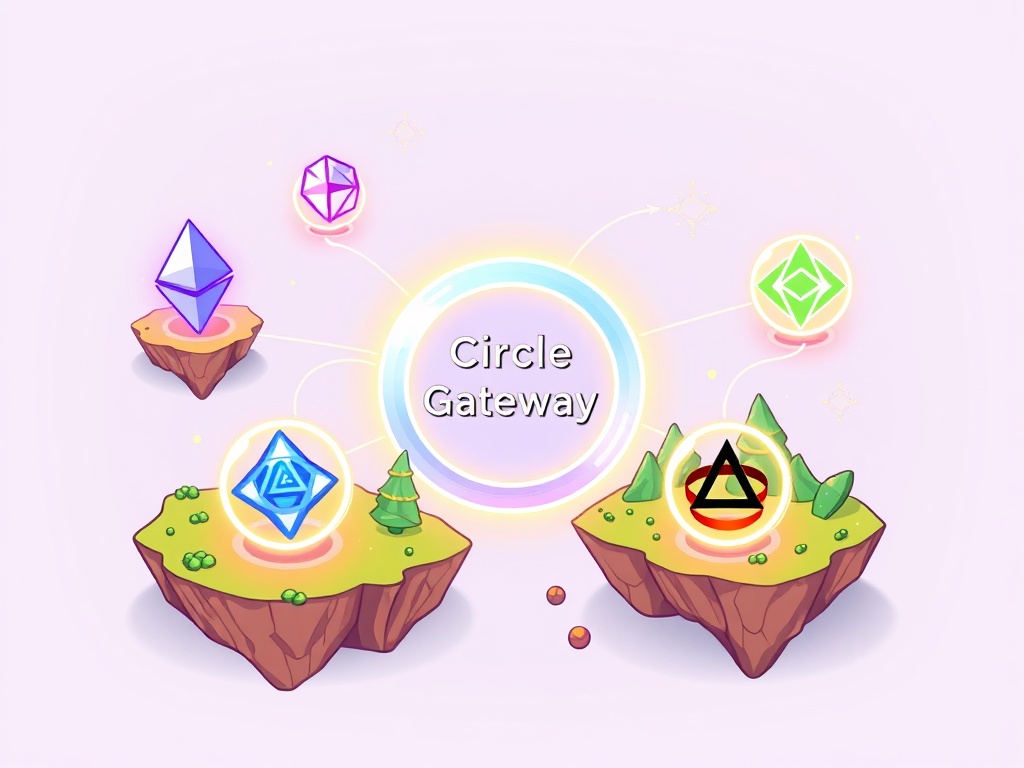
Circle, a prominent player in the crypto space, shared exciting news on X: its Circle Gateway service is now live on multiple major mainnets. This expansion marks a pivotal moment for cross-chain operations, aiming to simplify the often complex process of moving liquidity between different blockchains.

Initially designed to streamline liquidity management, the service now supports a growing list of popular networks. This includes:

  • Ethereum
  • Arbitrum
  • Avalanche
  • Base
  • Optimism
  • Polygon
  • Unichain

This broad support significantly enhances the utility of Circle Gateway for a wide range of users and developers.

Why is Unified Liquidity with Circle Gateway a Game Changer?

Historically, managing assets across different blockchains presented significant hurdles. Users often faced fragmented liquidity, requiring multiple wallets, complex bridging solutions, and increased transaction fees. The expansion of Circle Gateway directly addresses these challenges.

The core benefit lies in its ability to manage cross-chain liquidity through a single, unified balance. Imagine having your digital assets accessible and transferable across various networks without the usual friction. This means:

  • Enhanced Efficiency: Quicker asset transfers and reduced operational complexity.
  • Lower Costs: Potentially fewer transaction fees associated with bridging.
  • Simplified User Experience: A more intuitive way to interact with diverse DeFi protocols.
  • Increased Capital Efficiency: Capital can be deployed more effectively across ecosystems.

This streamlined approach makes interacting with the multi-chain world much more accessible for everyone, from individual traders to large institutions leveraging Circle Gateway.

Understanding the Mechanism: How Does Circle Gateway Work?

At its heart, Circle Gateway functions by allowing users to manage a single pool of liquidity that can be seamlessly deployed across the supported mainnets. Instead of needing separate balances on each chain, users interact with a unified interface.

This infrastructure abstracts away the underlying complexities of cross-chain transfers. It essentially acts as a central hub, enabling developers and businesses to build applications that can access liquidity from various chains without needing to manage individual chain-specific balances. This technical innovation underpins the “single balance” promise of Circle Gateway.

Impact on the Decentralized Ecosystem

The broader implications of this expansion are substantial. For decentralized applications (dApps), Circle Gateway can unlock new possibilities. Developers can design applications that are truly multi-chain, drawing liquidity and users from across different ecosystems without being confined to a single network.

For the average crypto user, it means a less intimidating and more fluid experience. They can participate in different DeFi opportunities on Ethereum, then easily move assets to a faster, cheaper Layer 2 like Arbitrum or Optimism, all powered by the convenience of Circle Gateway. This fosters greater interoperability and could accelerate the adoption of blockchain technology.

The Future of Cross-Chain Interoperability with Circle Gateway

Circle’s move with Circle Gateway is a clear indicator of the industry’s direction: towards a more interconnected and user-friendly blockchain landscape. As more mainnets and Layer 2 solutions emerge, the need for robust cross-chain infrastructure becomes paramount.

This expansion sets a precedent for how liquidity can be managed efficiently in a multi-chain future. We can anticipate further integrations and enhancements to Circle Gateway, solidifying its role as a critical piece of the Web3 puzzle. This development truly empowers users and developers alike.

In conclusion, Circle’s significant expansion of its Circle Gateway service to include multiple mainnets like Ethereum, Arbitrum, and Polygon is a transformative step for the crypto ecosystem. By enabling the management of cross-chain liquidity through a single balance, Circle is paving the way for a more integrated, efficient, and user-friendly decentralized future. This innovation simplifies complex operations, reduces friction, and ultimately enhances the accessibility and utility of digital assets across the blockchain landscape. It’s an exciting time for anyone involved in the world of crypto.

Frequently Asked Questions (FAQs)

What is Circle Gateway?

Circle Gateway is an infrastructure service developed by Circle that allows for the management of cross-chain liquidity through a single balance, simplifying asset transfers across different blockchain networks.

Which mainnets does Circle Gateway now support?

As of the recent announcement, Circle Gateway supports Arbitrum, Avalanche, Base, Ethereum, Optimism, Polygon, and Unichain.

How does Circle Gateway benefit users?

It benefits users by offering enhanced efficiency, potentially lower costs, a simplified user experience, and increased capital efficiency when managing assets across multiple blockchain networks.

Is Circle Gateway suitable for developers?

Yes, Circle Gateway is highly beneficial for developers as it enables them to build truly multi-chain decentralized applications (dApps) that can access liquidity and users from various ecosystems without managing individual chain-specific balances.

What is “cross-chain liquidity”?

Cross-chain liquidity refers to the ability to easily move and utilize digital assets across different independent blockchain networks, overcoming the traditional barriers of isolated ecosystems.

Did you find this article insightful? Share it with your friends and fellow crypto enthusiasts on social media! Let’s spread the word about how Circle Gateway is simplifying the multi-chain world and fostering greater interoperability.

To learn more about the latest crypto market trends, explore our article on key developments shaping cross-chain solutions and DeFi adoption.

This post Circle Gateway Unlocks Seamless Cross-Chain Liquidity first appeared on BitcoinWorld and is written by Editorial Team

Market Opportunity
Instadapp Logo
Instadapp Price(FLUID)
$2.6175
$2.6175$2.6175
-0.79%
USD
Instadapp (FLUID) Live Price Chart
Disclaimer: The articles reposted on this site are sourced from public platforms and are provided for informational purposes only. They do not necessarily reflect the views of MEXC. All rights remain with the original authors. If you believe any content infringes on third-party rights, please contact [email protected] for removal. MEXC makes no guarantees regarding the accuracy, completeness, or timeliness of the content and is not responsible for any actions taken based on the information provided. The content does not constitute financial, legal, or other professional advice, nor should it be considered a recommendation or endorsement by MEXC.

You May Also Like

Egrag Crypto: XRP Could be Around $6 or $7 by Mid-November Based on this Analysis

Egrag Crypto: XRP Could be Around $6 or $7 by Mid-November Based on this Analysis

Egrag Crypto forecasts XRP reaching $6 to $7 by November. Fractal pattern analysis suggests a significant XRP price surge soon. XRP poised for potential growth based on historical price patterns. The cryptocurrency community is abuzz after renowned analyst Egrag Crypto shared an analysis suggesting that XRP could reach $6 to $7 by mid-November. This prediction is based on the study of a fractal pattern observed in XRP’s past price movements, which the analyst believes is likely to repeat itself in the coming months. According to Egrag Crypto, the analysis hinges on fractal patterns, which are used in technical analysis to identify recurring market behavior. Using the past price charts of XRP, the expert has found a certain fractal that looks similar to the existing market structure. The trend indicates that XRP will soon experience a great increase in price, and the asset will probably reach the $6 or $7 range in mid-November. The chart shared by Egrag Crypto points to a rising trend line with several Fibonacci levels pointing to key support and resistance zones. This technical structure, along with the fractal pattern, is the foundation of the price forecast. As XRP continues to follow the predicted trajectory, the analyst sees a strong possibility of it reaching new highs, especially if the fractal behaves as expected. Also Read: Why XRP Price Remains Stagnant Despite Fed Rate Cut #XRP – A Potential Similar Set-Up! I've been analyzing the yellow fractal from a previous setup and trying to fit it into various formations. Based on the fractal formation analysis, it suggests that by mid-November, #XRP could be around $6 to $7! Fractals can indeed be… pic.twitter.com/HmIlK77Lrr — EGRAG CRYPTO (@egragcrypto) September 18, 2025 Fractal Analysis: The Key to XRP’s Potential Surge Fractals are a popular tool for market analysis, as they can reveal trends and potential price movements by identifying patterns in historical data. Egrag Crypto’s focus on a yellow fractal pattern in XRP’s price charts is central to the current forecast. Having contrasted the market scenario at the current period and how it was at an earlier time, the analyst has indicated that XRP might revert to the same price scenario that occurred at a later cycle in the past. Egrag Crypto’s forecast of $6 to $7 is based not just on the fractal pattern but also on broader market trends and technical indicators. The Fibonacci retracements and extensions will also give more insight into the price levels that are likely to be experienced in the coming few weeks. With mid-November in sight, XRP investors and traders will be keeping a close eye on the market to see if Egrag Crypto’s analysis is true. If the price targets are reached, XRP could experience one of its most significant rallies in recent history. Also Read: Top Investor Issues Advance Warning to XRP Holders – Beware of this Risk The post Egrag Crypto: XRP Could be Around $6 or $7 by Mid-November Based on this Analysis appeared first on 36Crypto.
Share
Coinstats2025/09/18 18:36
‘High Risk’ Projects Dominate Crypto Press Releases, Report Finds

‘High Risk’ Projects Dominate Crypto Press Releases, Report Finds

The post ‘High Risk’ Projects Dominate Crypto Press Releases, Report Finds appeared on BitcoinEthereumNews.com. More than six in 10 crypto press releases published
Share
BitcoinEthereumNews2026/02/04 13:09
Why Vitalik Says L2s Aren’t Ethereum Shards Now?

Why Vitalik Says L2s Aren’t Ethereum Shards Now?

The post Why Vitalik Says L2s Aren’t Ethereum Shards Now? appeared on BitcoinEthereumNews.com. Vitalik says Ethereum’s scaling and higher gas limits mean L2s no
Share
BitcoinEthereumNews2026/02/04 13:18