

Top phones to expect in 2026
The smartphone industry is moving faster than ever, and 2026 is shaping up to be one of the most exciting years yet. From AI-powered features and next-generation processors to revolutionary camera systems and longer-lasting batteries, phone manufacturers are preparing to redefine what users can expect from their devices. As competition intensifies among top brands like Apple, Samsung, Google, and emerging innovators, customers can look forward to smarter, faster, and more sustainable smartphones designed for the future.
In this article, we’ll look at the phones expected in 2026, what they’re likely to offer, and why they might be worth waiting for. If you’re thinking about upgrading soon or just curious about what’s next in mobile tech, this overview will help you understand what the coming year could bring.
The Samsung Galaxy series
Here are the anticipated Samsung Galaxy series for 2026. The Samsung Galaxy series ranges from flagship models to foldable and flip models.
Samsung S26 Series.
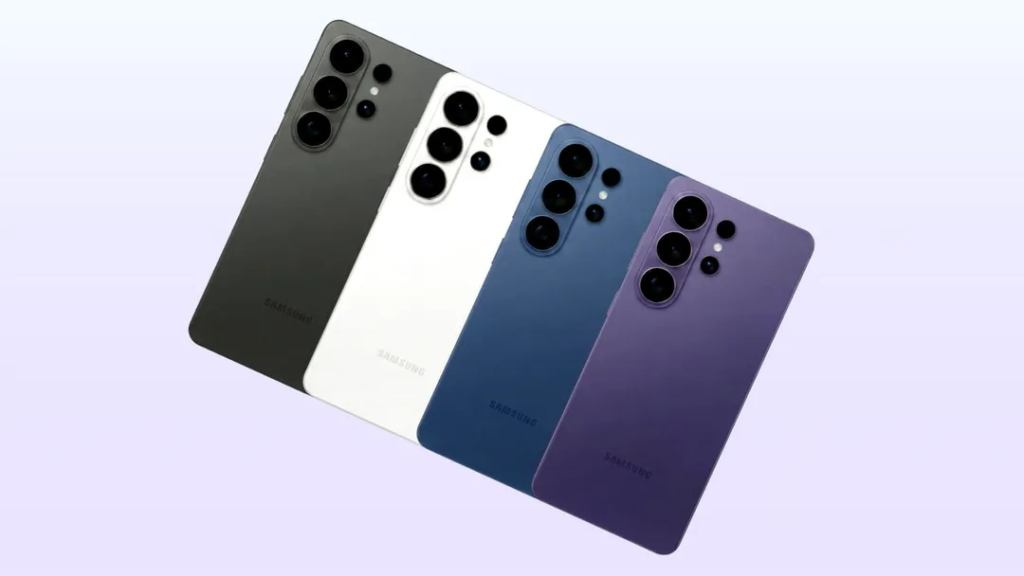
The Samsung S26 series is expected to be unveiled during the next Samsung Unpacked event expected to be held on the 25th of February 2026.
Rumoured specifications of the Samsung S26 include the following;
Display: 6.3-inch FHD+ display with a 1-120Hz refresh rate.
Performance: Exynos 2600 chip
Battery and charging: 5000mAh 25W/60W
Camera: 50mp main camera, 12MP ultrawide, 10MP telephoto lens,12MP selfie camera.
Weight: 164g
Thickness: 6.9mm
Software: One UI8
Pricing starts from ₦1,135.000 ($799), going upwards to ₦1,705,000 ($1200) for the ultra series.
Samsung Galaxy Z Fold 8.
The Samsung Z Fold 8 is expected to be released in the summer of 2026, likely in July.
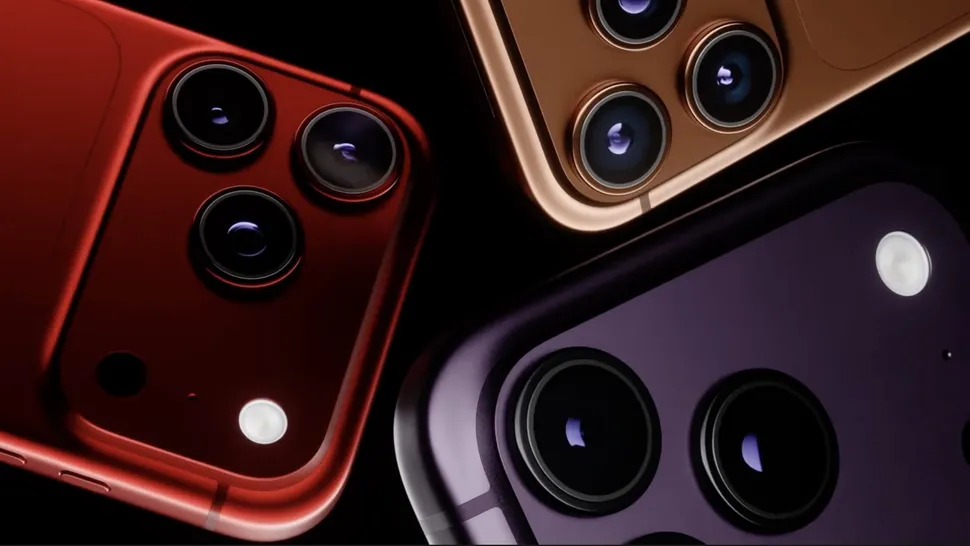
The Rumored specifications of the Samsung Z Fold 8 include the following:
Display: Main Screen: 6.9-inch Dynamic AMOLED 2X, FHD+ resolution, LTPO (1-120Hz refresh rate). Cover Screen: 4.1-inch Super AMOLED, 60/120Hz refresh rate.
Processor: Samsung Exynos 2600 chipset (rumoured) or Snapdragon 8 Gen 4.
Memory and Storage: 12GB RAM. Storage options: 256GB and 512GB.
Cameras: Rear: 50MP primary sensor + 12MP ultrawide. Front: 10MP selfie camera.
Battery: Capacity: 4,300mAh. Charging: 25W wired, 10W wireless, and 4.5W reverse wireless charging.
Operating System: Android 17 with One UI 9.
Build and Protection: Likely IP48-rated for water and dust resistance. Slim and lightweight design similar to the Galaxy Z Flip 7.
Colours: Expected to include bold and vibrant options, potentially expanding on the Galaxy Z Flip 7’s palette.
The estimated starting price for the Samsung Flip 8 is ₦1,991,000 ($1,401).
Samsung Fold 8.
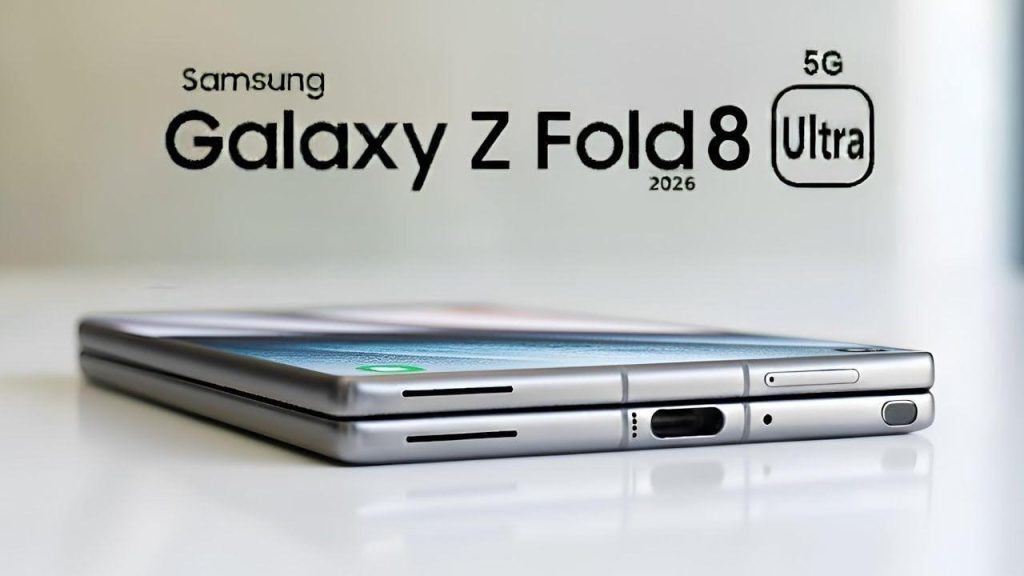
Samsung is expected to unveil the Galaxy Z Fold 8 at its July 2026 Unpacked event.
The rumoured specifications of the Samsung Z fold 8 include the following:
Starting price: 1,999 dollars
Camera: 200 MP wide-angle, 50MP ultra widelens and 12 MP telephoto lens
Processor: Snapdragon 8 Elite Gen 5.
RAM: Up to 16GB
Storage options: 256GB, 512GB, and 1TB (no microSD expansion).
Battery: Around 5,000 mAh with 45W wired and 15W wireless charging.
Display and Design: (inner display) Over 8 inches, brighter at 2,600 nits, with reduced crease visibility thanks to laser-drilling tech. (Outer display)6.5 inches, protected by Gorilla Glass Ceramic 2.
Materials: Possible shift from titanium to carbon fibre-reinforced plastic for durability and supply chain efficiency.
Hinge: Improved design for smoother folding and longer lifespan.
Features and Software: Ships with One UI 9.
Enhanced AI multitasking and Flex Mode features.
Potential return of S Pen support.
Improved Samsung DeX for desktop-like productivity.
The Apple 18 series.
Apple lovers should expect the iPhone 18 series (Pro, Pro Max, Foldable) to be released in September 2026, but the Base iPhone 18 and budget 18e are projected for Spring of 2027.
iPhone 18 Pro
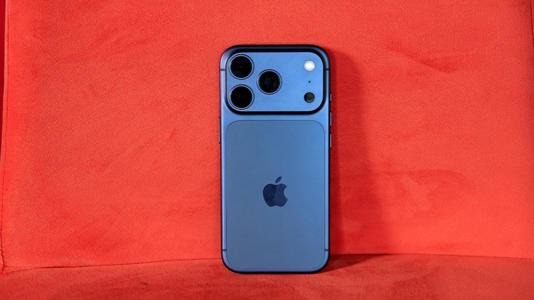
Pricing is expected to remain in line with the iPhone 17 Pro series, so the iPhone 18 Pro is likely to start at around ₦1,562,000 ($1,099).
Design: Sleeker build with new premium finishes.
Rumoured burgundy and deep purple colour options.
Slimmer bezels and improved durability.
Display: 6.3-inch (Pro) and 6.9-inch (Pro Max) LTPO OLED panels.
120Hz ProMotion refresh rate
Under-display Face ID technology in testing
Performance: Powered by the A20 Bionic chip (built on TSMC’s 2nm process).
Enhanced AI-driven features for photography and productivity.
Upgraded C2 5G modem for faster connectivity.
Camera: 48MP main sensor with variable aperture.
24MP front camera for sharper selfies.
Improved low-light performance and dynamic range.
Battery & Charging: Incremental battery improvements.
Faster wired and MagSafe charging.
Software: Ships with iOS 27, featuring deeper AI integration.
Siri overhaul with smarter contextual responses.
iPhone 18 Pro Max.
Design: Similar design to the iPhone 17 Pro Max, with a rectangular camera island.
New burgundy colour option expected.
Display: 6.9-inch LTPO Super Retina XDR OLED display for immersive visuals.
Camera: Triple 48MP rear camera system (wide, ultra-wide, periscope telephoto).
Enhanced low-light and zoom performance.
Improved AI-powered imaging features.
Performance: Powered by the A20 Pro chipset (2nm process).
Memory: 12GB or 16GB RAM, with storage up to 2TB.
Battery: 5,100mAh battery with 40W wired charging for faster power-ups.
iPhone fold.
Pricing is rumoured to be around ₦2,842,000 – ₦3,272,000 ($2,000-$2,300.)
Design and Display: Internal Display: 7.76-inch foldable OLED panel, nearly the size of an iPad mini.
Aspect Ratio: Squarer and wider than traditional iPhones, offering tablet-like usability.
Thickness: 5.64mm unfolded, 11mm folded
Resolution: 2,713 × 1,920 pixels, higher than the iPad mini.
Crease-Free Tech: Samsung Display’s hybrid OLED panels aim to eliminate the crease issue common in foldables.
External Screen: Size: 5.49-inch secondary display for everyday use.
Resolution: 1,208 × 1,422 pixels, with 460 PPI density.
Allows seamless iPhone-like functionality when folded.
Camera: Rear Cameras: Dual setup with 48MP Main and Ultra-Wide sensors.
Internal Display: Hidden under-display camera for a clean, notch-free experience.
External Display: Punch-hole camera for selfies and FaceTime
Hinge Innovation: Apple is rumoured to use a Liquidmetal hinge, offering superior strength and durability compared to titanium, designed to withstand repeated folding without compromising the screen’s integrity.
Google Pixel 11.
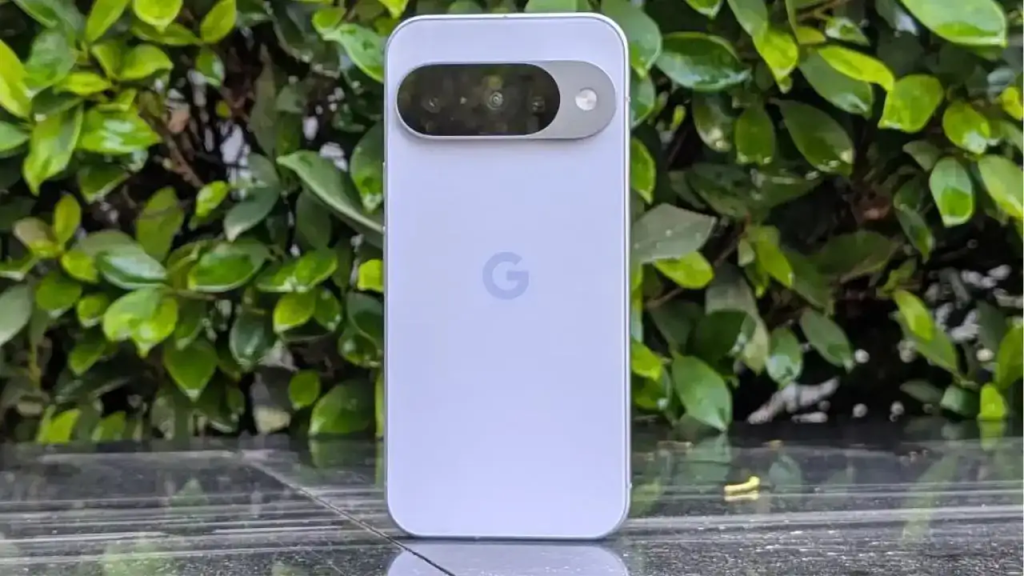
The Google Pixel 11 is expected to be released in October 2026 at Google’s annual hardware event.
Pricing is expected to start from ₦1,278,000 – ₦1,420,000 ($899–$999, but premium models may cross the $1,200 mark depending on storage.
The rumoured specifications of the Pixel 11 include the following;
Design and Display: Slimmer bezels and a more refined design compared to the Pixel 10.
Rumoured 6.4-inch OLED display with a 120Hz refresh rate.
Possible under-display fingerprint sensor for a cleaner front look.
Improved durability with stronger Gorilla Glass protection.
Camera: Triple-lens setup: 50MP main sensor, 48MP ultra-wide, and 48MP telephoto.
Enhanced Night Sight and astrophotography features.
AI-powered image processing for sharper, more natural photos.
The front camera is rumoured to support 4K video recording.
Performance and Battery: Powered by the Google Tensor G5 chip, built for advanced AI tasks.
Expected 12GB RAM and storage options up to 1TB.
Larger battery with fast charging and improved efficiency.
Wireless charging and reverse charging are supported.
Huawei Pura 90
Huawei is expected to launch the Pura 90 Ultra in mid-2026 with a rumoured price tag of ₦1,846,000 – ₦2,130,000 ($1,299–$1,499)
Design and Display: 6.8-inch AMOLED display with 120Hz refresh rate.
Ultra-thin bezels and curved edges for a sleek look.
Premium build with glass and metal finish.
Camera: Dual 200MP rear cameras
Advanced AI image processing for professional-grade photography.
Enhanced low-light performance and periscope zoom lens.
Front camera: 50MP sensor for high-quality selfies and video calls.
Performance & Battery: Powered by Kirin 5G chipset with cutting-edge AI capabilities.
16GB RAM and storage options up to 1TB.
6000mAh battery with ultra-fast charging support.
Wireless and reverse charging included.
Sony Xperia 10 VII
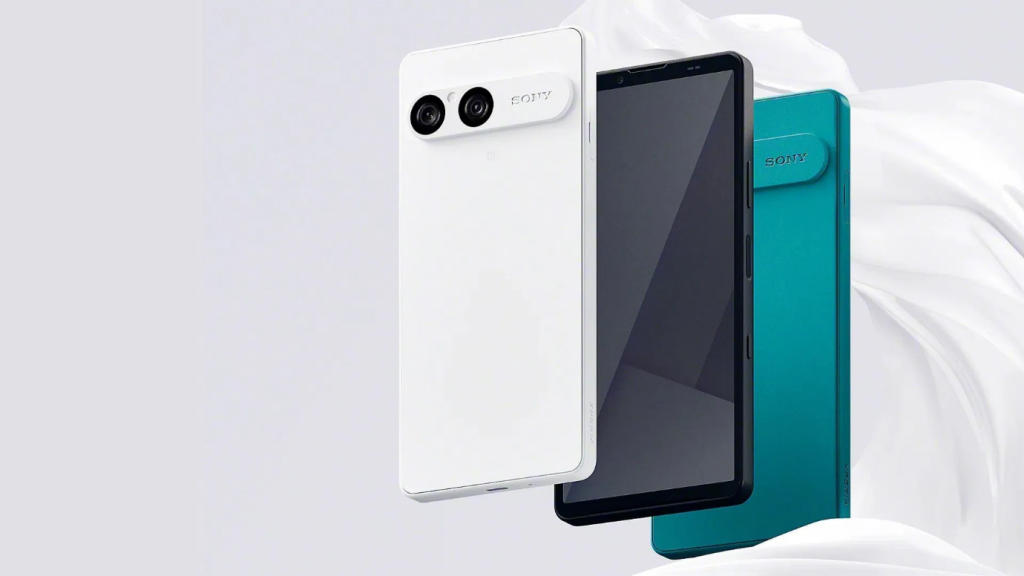
Sony has officially unveiled the Xperia 10 VII in the UK on the 21st of January 2026.
Listed below are confirmed specifications of the Xperia 10 VII;
Design & Display: 6.1-inch FHD+ OLED screen with 120Hz refresh rate.
Protected by Gorilla Glass Victus 2.
Slim and lightweight: 168g and 8.3mm thin.
IP68 certification for water and dust resistance.
Performance and Software: Powered by Snapdragon 6 Gen 3 chipset.
Ships with Android 15 out of the box.
Long-term support: 4 years of OS updates and 6 years of security patches.
Camera System: Dual rear cameras
50MP Exmor RS primary lens.
13MP ultrawide lens.
Front camera: 8MP for selfies and video calls.
Battery and Charging: 5000mAh battery with USB PD fast charging.
Optimised for long-lasting performance.
3.5mm headphone jack
Dedicated shutter button for photography.
Side-mounted fingerprint scanner.
Expandable storage up to 2TB.
Connectivity: Bluetooth 5.4 and Wi-Fi 6E.
You May Also Like

DeFi Technologies' Valour Launches New Bitcoin-Collateralized ETP on London Stock Exchange
Why a Lambo Rental Atlanta Experience Feels Different
