The post NZD/USD edges lower near 0.5825 as traders eye US PCE, NZ CPI data appeared on BitcoinEthereumNews.com. The NZD/USD pair drifts lower during the Asian The post NZD/USD edges lower near 0.5825 as traders eye US PCE, NZ CPI data appeared on BitcoinEthereumNews.com. The NZD/USD pair drifts lower during the Asian

NZD/USD edges lower near 0.5825 as traders eye US PCE, NZ CPI data

The NZD/USD pair drifts lower during the Asian session on Wednesday and retreats further from the vicinity of a multi-month peak, around the 0.5850-0.5855 region, retested the previous day. Spot prices, however, lack bearish conviction and currently trade around the 0.5825 area, down less than 0.15% for the day.

US President Donald Trump threatened to impose additional tariffs on European allies amid rising tension over Greenland. The announcement prompted ‌the European Union (EU) to weigh hitting back with previously untested economic countermeasures should the levies go ahead, fueling worries that the trade war could re-escalate. The development comes on top of persistent geopolitical uncertainties and weighs on investors’ sentiment, which, in turn, undermines the risk-sensitive Kiwi.

Meanwhile, Trump’s renewed tariff threats have revived the ‘Sell America’ trade and triggered a steep US Dollar (USD) decline since the beginning of this week. In fact, the USD Index (DXY), which tracks the Greenback against a basket of currencies, languishes near its lowest level since January 6, touched on Tuesday, despite reduced bets for more aggressive policy easing by the US Federal Reserve (Fed). This warrants some caution before positioning for deeper losses for the NZD/USD pair.

Furthermore, the Reserve Bank of New Zealand’s (RBNZ) hawkish outlook on the future policy path makes it prudent to wait for strong follow-through selling before confirming that spot prices have topped out. Traders might also opt to wait for the release of the US Personal Consumption Expenditure (PCE) Price Index on Thursday, which will be accompanied by the final Q3 GDP. This, along with the quarterly New Zealand consumer inflation figures on Friday, would drive the NZD/USD pair.

Risk sentiment FAQs

In the world of financial jargon the two widely used terms “risk-on” and “risk off” refer to the level of risk that investors are willing to stomach during the period referenced. In a “risk-on” market, investors are optimistic about the future and more willing to buy risky assets. In a “risk-off” market investors start to ‘play it safe’ because they are worried about the future, and therefore buy less risky assets that are more certain of bringing a return, even if it is relatively modest.

Typically, during periods of “risk-on”, stock markets will rise, most commodities – except Gold – will also gain in value, since they benefit from a positive growth outlook. The currencies of nations that are heavy commodity exporters strengthen because of increased demand, and Cryptocurrencies rise. In a “risk-off” market, Bonds go up – especially major government Bonds – Gold shines, and safe-haven currencies such as the Japanese Yen, Swiss Franc and US Dollar all benefit.

The Australian Dollar (AUD), the Canadian Dollar (CAD), the New Zealand Dollar (NZD) and minor FX like the Ruble (RUB) and the South African Rand (ZAR), all tend to rise in markets that are “risk-on”. This is because the economies of these currencies are heavily reliant on commodity exports for growth, and commodities tend to rise in price during risk-on periods. This is because investors foresee greater demand for raw materials in the future due to heightened economic activity.

The major currencies that tend to rise during periods of “risk-off” are the US Dollar (USD), the Japanese Yen (JPY) and the Swiss Franc (CHF). The US Dollar, because it is the world’s reserve currency, and because in times of crisis investors buy US government debt, which is seen as safe because the largest economy in the world is unlikely to default. The Yen, from increased demand for Japanese government bonds, because a high proportion are held by domestic investors who are unlikely to dump them – even in a crisis. The Swiss Franc, because strict Swiss banking laws offer investors enhanced capital protection.

Source: https://www.fxstreet.com/news/nzd-usd-trades-with-negative-bias-around-05825-downside-seems-limited-202601210101

Market Opportunity
NEAR Logo
NEAR Price(NEAR)
$1,085
$1,085$1,085
+2,06%
USD
NEAR (NEAR) Live Price Chart
Disclaimer: The articles reposted on this site are sourced from public platforms and are provided for informational purposes only. They do not necessarily reflect the views of MEXC. All rights remain with the original authors. If you believe any content infringes on third-party rights, please contact [email protected] for removal. MEXC makes no guarantees regarding the accuracy, completeness, or timeliness of the content and is not responsible for any actions taken based on the information provided. The content does not constitute financial, legal, or other professional advice, nor should it be considered a recommendation or endorsement by MEXC.

You May Also Like

Cashing In On University Patents Means Giving Up On Our Innovation Future

Cashing In On University Patents Means Giving Up On Our Innovation Future

The post Cashing In On University Patents Means Giving Up On Our Innovation Future appeared on BitcoinEthereumNews.com. “It’s a raid on American innovation that would deliver pennies to the Treasury while kneecapping the very engine of our economic and medical progress,” writes Pipes. Getty Images Washington is addicted to taxing success. Now, Commerce Secretary Howard Lutnick is floating a plan to skim half the patent earnings from inventions developed at universities with federal funding. It’s being sold as a way to shore up programs like Social Security. In reality, it’s a raid on American innovation that would deliver pennies to the Treasury while kneecapping the very engine of our economic and medical progress. Yes, taxpayer dollars support early-stage research. But the real payoff comes later—in the jobs created, cures discovered, and industries launched when universities and private industry turn those discoveries into real products. By comparison, the sums at stake in patent licensing are trivial. Universities collectively earn only about $3.6 billion annually in patent income—less than the federal government spends on Social Security in a single day. Even confiscating half would barely register against a $6 trillion federal budget. And yet the damage from such a policy would be anything but trivial. The true return on taxpayer investment isn’t in licensing checks sent to Washington, but in the downstream economic activity that federally supported research unleashes. Thanks to the bipartisan Bayh-Dole Act of 1980, universities and private industry have powerful incentives to translate early-stage discoveries into real-world products. Before Bayh-Dole, the government hoarded patents from federally funded research, and fewer than 5% were ever licensed. Once universities could own and license their own inventions, innovation exploded. The result has been one of the best returns on investment in government history. Since 1996, university research has added nearly $2 trillion to U.S. industrial output, supported 6.5 million jobs, and launched more than 19,000 startups. Those companies pay…
Share
BitcoinEthereumNews2025/09/18 03:26
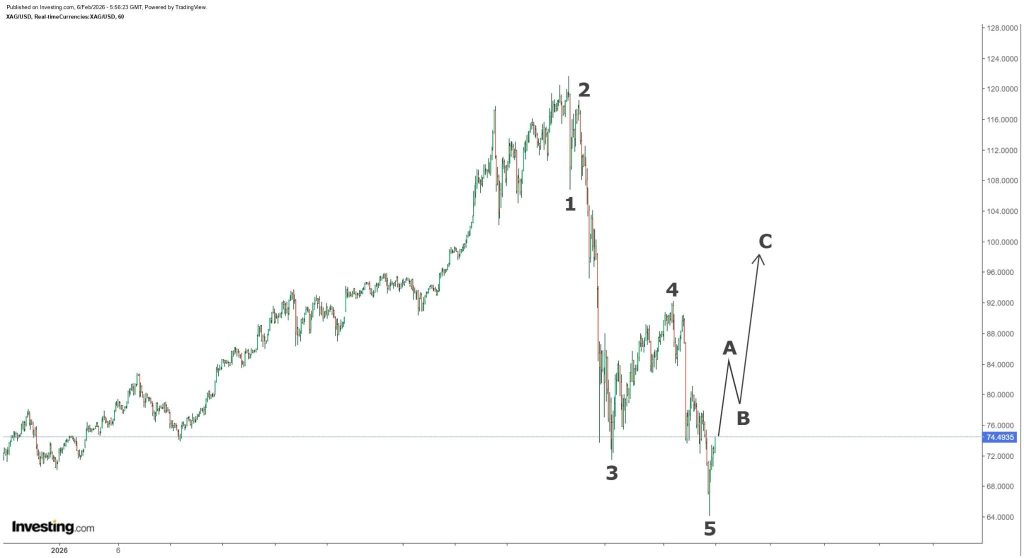
Silver Price Crash Is Over “For Real This Time,” Analyst Predicts a Surge Back Above $90

Silver Price Crash Is Over “For Real This Time,” Analyst Predicts a Surge Back Above $90

Silver has been taking a beating lately, and the Silver price hasn’t exactly been acting like a safe haven. After running up into the highs, the whole move reversed
Share
Captainaltcoin2026/02/07 03:15
Citi Caps Year-End at $4,300, But ETF outflows Challenge Outlook

Citi Caps Year-End at $4,300, But ETF outflows Challenge Outlook

The post Citi Caps Year-End at $4,300, But ETF outflows Challenge Outlook appeared on BitcoinEthereumNews.com. Ethereum Price Prediction: Citi Caps Year-End at $4,300, But ETF outflows Challenge Outlook Disclaimer: The information found on NewsBTC is for educational purposes only. It does not represent the opinions of NewsBTC on whether to buy, sell or hold any investments and naturally investing carries risks. You are advised to conduct your own research before making any investment decisions. Use information provided on this website entirely at your own risk. Related News © 2025 NewsBTC. All Rights Reserved. This website uses cookies. By continuing to use this website you are giving consent to cookies being used. Visit our Privacy Center or Cookie Policy. I Agree Source: https://www.newsbtc.com/news/ethereum/ethereum-price-prediction-citi-caps-year-end-at-4300-but-etf-outflows-challenge-outlook/
Share
BitcoinEthereumNews2025/09/18 14:30