

Hyperliquid Whale’s Staggering $50M Loss Unfolds After Insider Trading Allegations

BitcoinWorld
Hyperliquid Whale’s Staggering $50M Loss Unfolds After Insider Trading Allegations
In a dramatic reversal of fortune, a prominent Hyperliquid whale address, previously shrouded in controversy, has witnessed an unrealized loss of approximately $50 million in just four days. This staggering financial shift, reported by on-chain analytics firm Onchain Lens on January 17, 2025, underscores the extreme volatility and high-stakes risks inherent in leveraged cryptocurrency trading. The address, identified by its starting characters 0xb317, saw its position flip from a $40 million profit to a multi-million dollar deficit as markets turned.
Hyperliquid Whale Loss: From Suspected Profits to Massive Deficit
The core of this story revolves around a specific Hyperliquid whale and its leveraged portfolio. According to the data, this entity held highly aggressive long positions across three major assets. The whale maintained a 5x leveraged long on 1,000 Bitcoin (BTC) with an average entry price of $91,506. Furthermore, it held a 5x leveraged long on 223,340 Ethereum (ETH) at an average price of $3,161. Most aggressively, the address held a 10x leveraged long position on Solana (SOL) with an average entry point of $130. Consequently, the rapid market downturn in mid-January 2025 triggered significant liquidation pressure on these positions, erasing paper gains and creating substantial unrealized losses.
Context of Previous Insider Trading Allegations
This incident gains deeper significance due to the whale’s controversial history. Onchain analysts had previously flagged this same address for suspicious activity ahead of a major market event in October of the previous year. Specifically, the whale was suspected of profiting from potential insider information before the largest-ever liquidation event on the Hyperliquid platform at that time. While no formal charges have been publicly confirmed, the pattern of activity drew intense scrutiny from the crypto community and monitoring services. Therefore, the current loss adds a complex layer of poetic justice to the narrative, demonstrating that even whales with potential informational advantages are not immune to market forces.
The Mechanics of Leverage and Liquidation Risk
To understand the scale of this loss, one must grasp the mechanics of leverage in decentralized finance (DeFi). Leverage amplifies both gains and losses. For instance, a 5x long position means a 1% price drop results in a 5% loss of the trader’s collateral. The whale’s 10x SOL position was exceptionally risky. A sharp price decline can quickly trigger automatic liquidations, where the protocol sells the collateral to repay the borrowed funds. The table below illustrates the sensitivity of the whale’s positions:
| Asset | Leverage | Approx. Price Drop to Trigger Liquidation* |
|---|---|---|
| Bitcoin (BTC) | 5x | ~18-20% |
| Ethereum (ETH) | 5x | ~18-20% |
| Solana (SOL) | 10x | ~9-10% |
*Estimates based on standard DeFi liquidation thresholds; exact levels vary by protocol.
Broader Market Impact and Regulatory Implications
This event is not isolated. It reflects broader trends of deleveraging and risk reassessment in the crypto markets during early 2025. Large, concentrated positions like this one can exacerbate market moves when they unwind, potentially causing cascading liquidations for other traders. Moreover, the recurrence of addresses linked to prior insider trading suspicions highlights ongoing challenges in DeFi market surveillance. Regulatory bodies globally are increasingly focused on:
- Market Manipulation: Detecting and preventing abusive trading practices on decentralized exchanges.
- Transparency: Advocating for clearer on-chain labeling and entity identification.
- Investor Protection: Addressing the risks of high leverage available to retail participants.
This case may serve as a pivotal reference point in discussions about DeFi oversight.
Expert Analysis from On-Chain Investigators
On-chain analytics firms like Onchain Lens, which reported this development, play a crucial role in bringing transparency to blockchain activity. Their work involves tracking fund flows, identifying wallet clusters, and flagging anomalous behavior. In this instance, their reporting provided verifiable, data-driven evidence of the whale’s changing financial state. Experts in this field note that while blockchain is transparent, interpreting the data requires sophisticated tools and expertise—a gap that services like these aim to fill. The identification of this whale’s losses relied on analyzing public blockchain data, including transaction histories and position states on the Hyperliquid perpetual contracts platform.
Conclusion
The staggering $50 million loss faced by the Hyperliquid whale, particularly one linked to past insider trading allegations, is a potent reminder of cryptocurrency market volatility. It underscores the double-edged sword of leverage and the ever-present risk of liquidation, even for large, sophisticated actors. Furthermore, this event reinforces the importance of on-chain analysis for market transparency and the ongoing regulatory conversation around DeFi. As the market evolves, the tale of address 0xb317 will likely be cited as a cautionary example of risk management and market integrity.
FAQs
Q1: What is a “whale” in cryptocurrency?
A whale is a term for an individual or entity that holds a large enough amount of a cryptocurrency to potentially influence its market price through trades.
Q2: What does “unrealized loss” mean?
An unrealized loss is a decrease in the value of an open investment position that has not yet been sold or closed. The loss is “on paper” until the position is liquidated.
Q3: What is Hyperliquid?
Hyperliquid is a decentralized exchange (DEX) and perpetual contracts platform built on its own high-performance blockchain, focused on low fees and fast trading.
Q4: How can an address be linked to insider trading allegations?
On-chain analysts look for patterns, such as large, well-timed trades immediately before major news or liquidation events that are not publicly known, and track the wallet’s history across protocols.
Q5: Why is a 10x leverage position so risky?
A 10x leverage position magnifies price movements tenfold. A relatively small price move against the position (e.g., -10%) can lead to a total loss of the trader’s initial collateral through automatic liquidation.
This post Hyperliquid Whale’s Staggering $50M Loss Unfolds After Insider Trading Allegations first appeared on BitcoinWorld.
You May Also Like

Cashing In On University Patents Means Giving Up On Our Innovation Future
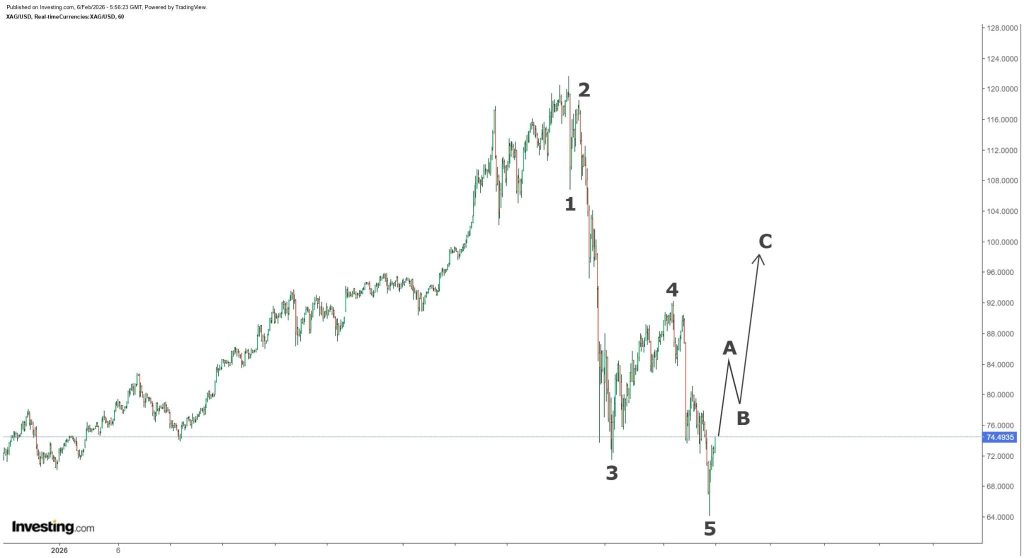
Silver Price Crash Is Over “For Real This Time,” Analyst Predicts a Surge Back Above $90
