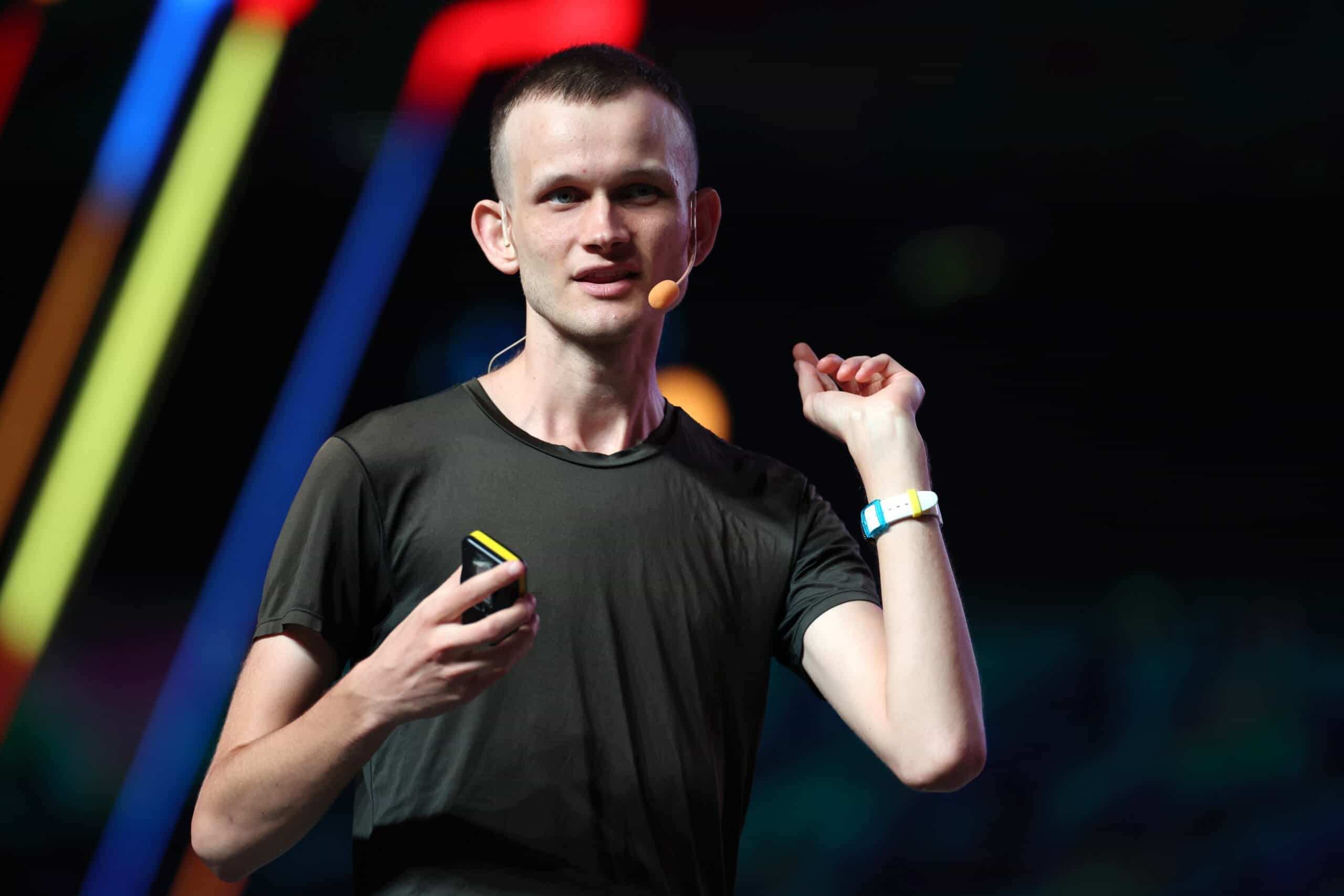
Vitalik Buterin Urges Focus on Real Usability and Decentralization
TLDR
- Vitalik warns that chasing hype risks undermining core decentralization goals.
- He emphasizes that long-term success depends on real-world usability.
- Buterin critiques trends that prioritize short-term growth over tech integrity.
- He calls for developers to build tools that empower users, not just trends.
Ethereum co-founder Vitalik Buterin opened 2026 by urging the Ethereum community to return to the network’s core goals—real usability and decentralization. In a public message shared on social media, he warned developers not to be distracted by short-term trends or speculative growth. Instead, he said Ethereum must evolve into a robust and censorship-resistant platform that continues to operate without relying on central entities.
Performance Upgrades Are Not the Final Goal
In 2025, Ethereum introduced several network upgrades aimed at improving performance. These included increased gas limits, a higher number of data blobs per block, and advancements in zkEVMs. These improvements made Ethereum more scalable, allowing it to handle more users and activity without depending on centralized infrastructure.
Buterin also noted progress in node software, which has become more reliable and easier to run. These changes are expected to support a more distributed network, as more users are now able to operate their own nodes independently.
However, Buterin made it clear that these upgrades are not the end goal. “We’re not done just because Ethereum runs faster,” he said. The focus must now shift toward ensuring that applications built on Ethereum remain usable and functional even when developers step away or when centralized services become unavailable.
The Walkaway Test and Application Resilience
Buterin introduced the “walkaway test” as a way to measure whether a decentralized application (dApp) truly operates independently. According to him, a real dApp must continue to function even if its original developers are no longer involved. This ensures that the system does not rely on a central party to operate or remain online.
He compared this standard to traditional online services, which depend on subscription models and centralized infrastructure providers. Buterin said Ethereum must avoid this model entirely. Applications should be built so users would not even notice if a service like Cloudflare went offline or was attacked.
The walkaway test sets a high bar for Ethereum-based applications. Buterin stressed that developers need to design systems that are self-sustaining and do not depend on external platforms or private companies. This level of decentralization is essential for maintaining Ethereum’s long-term credibility and usefulness.
Rejecting Trend-Chasing and Centralization
Buterin warned the community about the risks of chasing popular trends in the crypto space. He pointed to examples such as tokenized dollars and political memecoins, stating that these trends can lead to short-term engagement but fail to support long-term usability or decentralization.
He urged developers to move away from creating projects that only exist to fill blockspace or push the price of ETH. According to Buterin, Ethereum’s value lies in its ability to support applications that resist censorship and do not require trust in centralized intermediaries.
Ethereum must remain focused on providing tools for financial access, identity management, and governance that work independently of corporations or governments. As regulatory attention increases and users demand more secure systems, Buterin emphasized that Ethereum’s future depends on building applications that are both usable and decentralized—no matter the market cycle.
The post Vitalik Buterin Urges Focus on Real Usability and Decentralization appeared first on CoinCentral.
You May Also Like

The Channel Factories We’ve Been Waiting For

PEPE leads memecoin gains amid post-holiday crypto market altcoin rally