

In 2025 USD saw the worst performance since 1973. What challenges does the American dollar face these days?
The dollar had the worst start of the year since 1973, analysts say. Its value against other fiat currencies drops as the world’s confidence in the U.S. policies declines. What challenges does the American dollar face these days, and what influences its performance?
Table of Contents
- Poor performance
- The reasons behind the dollar’s poor performance
- Do cryptocurrencies debase the American dollar?
Poor performance
The index used to estimate the USD value against six other currencies (the British pound, Japanese yen, Euro, Canadian dollar, Swedish króna, and Swiss franc) dropped by 10.8% during the first six months of 2025, even more than in the COVID-19 crisis. In 1973, this index fell by 15%. Also, the first half of 2025 was the worst six-month performance since 2009.
While the expectations of the interest rate cuts by the American central bank are weakening the USD further, the Euro showed 13% growth instead of the predicted decline. Pension funds and big investors expand their exposure to European assets, reducing dependence on USD. While the dollar gets weaker, it doesn’t necessarily mean it loses its reserve currency function.
The reasons behind the dollar’s poor performance
The performance in the first half of 1973 was understandably bad, as it was the time of the collapse of the Bretton Woods System, which cemented the American dollar’s role as a central reserve currency in the 1940s. In 1973, the dollar lost its fixed value while the economy was under the burden of military expenses.
In 2025, America is not involved in a high-scale military conflict; however, the American dollar faces challenges that may end up being as influential as the crash of the Bretton Woods System. There are two reasons that are often named as the reasons for the dollar’s decline: the trade war unleashed by Donald Trump and the constantly growing national debt of the U.S. The latter issue may worsen once the Big, Beautiful Bill becomes the law.
Not only the harsh tariff policy itself, but its unpredictable back-and-forth nature, where Trump announces tariffs one day and then puts them on hold the next day, is to blame for the fading confidence of foreign investors in the United States of America. Trump’s erratic demeanor in the trade war is destroying the image of the U.S. as a trustworthy country with predictable behavior.
Trump himself warns about the “pain” for Americans on the way to a better future. Lately, the POTUS has been busy pushing Jerome Powell to force the Federal Reserve to cut interest rates. This step, if made, could decrease the USD price further. It is exactly what happened when the Fed cut the rates in 1973. The Fed officials claim they are not cutting the rates as they try to bring inflation rates back to the pre-COVID-19 levels, which they have yet to accomplish.
So, it comes that it is Trump who is advocating for the dollar debasement. What’s his goal in doing so? High demand for the U.S. dollar increases its value but makes goods produced in the U.S. too expensive. It makes goods produced elsewhere (let’s say China, Germany, or Japan) more attractive. It’s not hard to grasp that this situation is in direct opposition to Trump’s protectionist efforts and plan to bring manufacturers back to America. A strong dollar stimulates American manufacturers to leave the country.
However, economist Kenneth Rogoff suggests that the dollar’s reserve role is not the only factor leading to trade deficit, and that trade war is not the most efficient way to fix things, while he admits that it works in terms of making leaders of other countries negotiate with Trump.
Trump’s plans to boost spending while cutting taxes via a Big, Beautiful Bill make the future of the U.S. and its currency even more unpredictable. According to non-partisan experts, the bill may increase the national debt of America by $2.4 trillion. Others name an even bigger number. Currently, the debt stands at the $36.2 trillion mark.
Do cryptocurrencies debase the American dollar?
Cryptocurrency enthusiasts often speak about the USD as a currency that is already debased and unreliable. They see Bitcoin as a safe haven that has shown its ability to increase its value against the USD dramatically every five years.
The strong value accumulation power of Bitcoin has promoted it to be a reserve currency for various corporations, governments, financial institutions, and many retail investors.
Bitcoin and stablecoins (USD-denominated and others) became a staple for unbanked populations and sanctioned economies. Russian companies are trading with their foreign partners via cryptocurrencies to dodge sanctions. However, some of the participants claim that paying in crypto turned out to be so easy that they will continue to use cryptocurrencies even when the sanctions are lifted. It might seem that this transition to cryptocurrencies harms USD, previously preferred international currency; however, the volume of trades made in crypto is not critical yet, and it’s too early to speak about a serious influence.
America is a leading country in terms of Bitcoin holdings, both corporate and governmental. More than that, its crypto-friendly regulations of 2025 will cement its leadership in the crypto space. If Bitcoin gets popular across the world’s governments, America becomes the top holder of two reserve currencies: the American dollar and Bitcoin.
The leading role of the USD-pegged stablecoins around the world demonstrates and strengthens people’s trust in the American dollar and boosts demand for it (although in an indirect way). More than that, the issuers of USD-pegged stablecoins are prime buyers of the U.S. Treasury bills, dollars, and other American assets. The growth of these companies increases the demand for American currency.
That said, cryptocurrency works ambiguously, and it would be incorrect to claim that crypto somewhat worsens the American dollar’s performance or threatens it.
You May Also Like

Three dormant wallets, suspected to belong to the same entity, purchased 5,970 ETH eight hours ago.
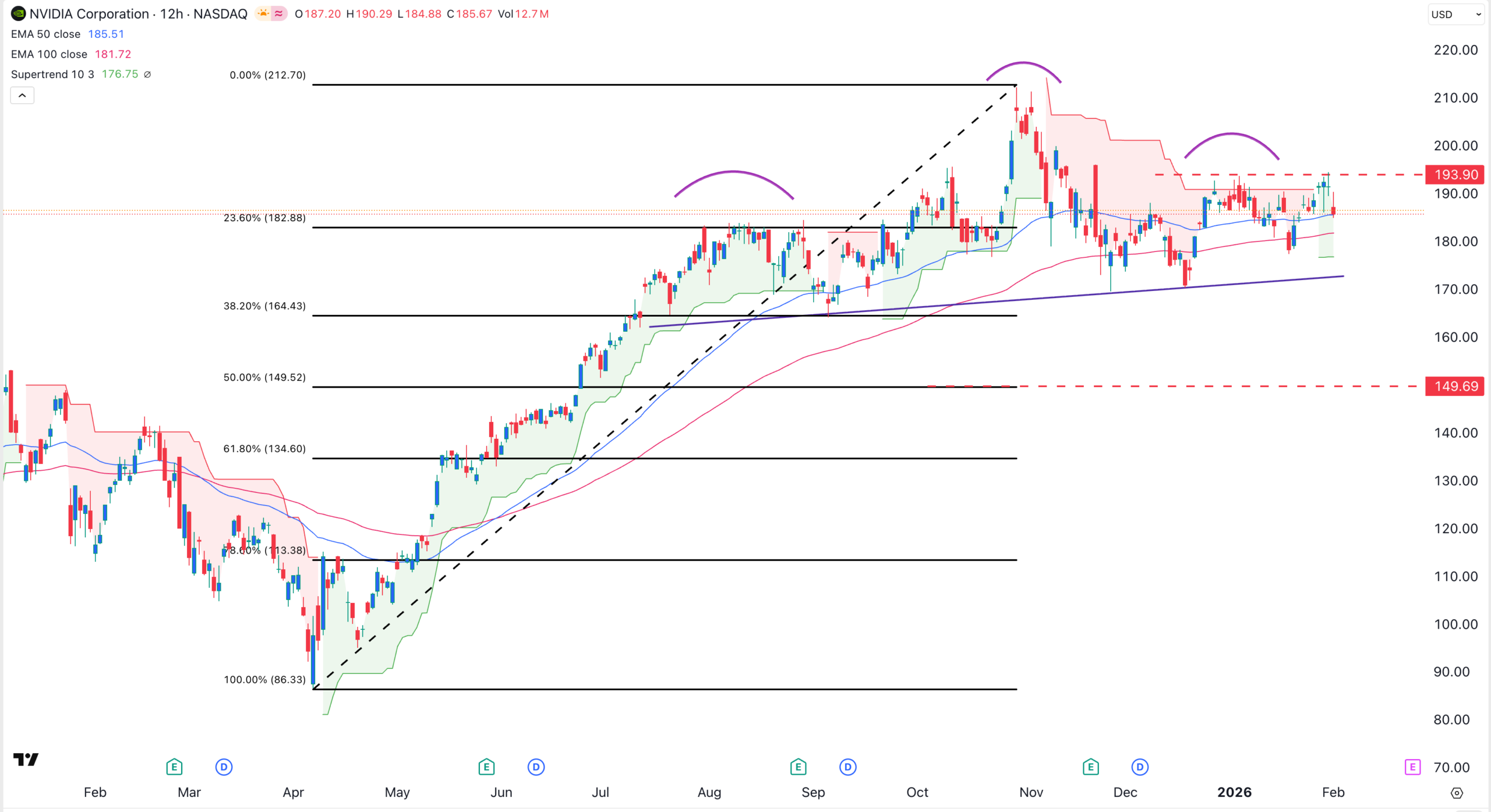
NVIDIA Stock Price Analysis as OpenAI Issues Concerns About its Chips
