

How Low-Cost Power Turned Libya into a Bitcoin Mining Hub
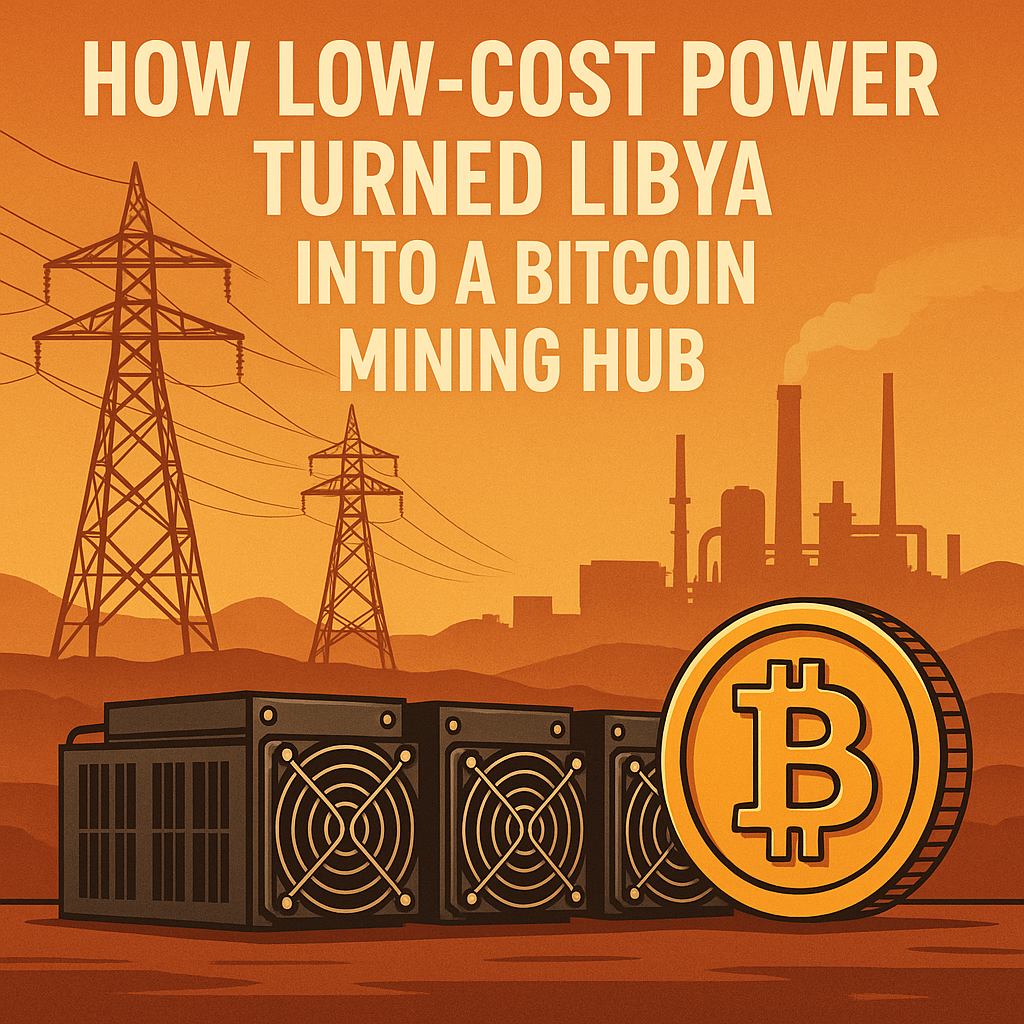
Libya’s Bitcoin Mining Boom Faces Crackdown Amid Strained Infrastructure
Libya’s flourishing Bitcoin mining industry, fueled by ultra-cheap subsidized electricity, has grown into a covert yet significant sector. With estimates suggesting the country contributed around 0.6% of the world’s Bitcoin hash rate at its peak, authorities are now intensifying efforts to crackdown on illegal operations, citing power shortages and infrastructure damage. Recent arrests and court rulings exemplify the government’s shift towards stricter enforcement, despite the lack of a clear legal framework regulating digital assets in the country.
Key Takeaways
- Libya’s inexpensive, subsidized electricity has enabled the operation of outdated and inefficient Bitcoin miners.
- The country once accounted for approximately 0.6% of the global Bitcoin hash rate, surpassing many regional neighbors.
- Mining exists in a legal gray zone; hardware imports are banned, but no explicit prohibition on mining itself.
- Authorities are connecting illegal mining activities to power outages and are ramping up raids, prosecutions, and seizures.
Libya’s surge in cryptocurrency mining traces back to its remarkably low electricity costs, estimated at around $0.004 per kilowatt-hour—one of the lowest rates globally. This is primarily due to substantial government subsidies on fuel and tariffs, despite pervasive grid issues caused by damage, theft, and underinvestment. These artificially low prices create a lucrative arbitrage for miners, enabling even outdated equipment to remain profitable. As a result, Libya has seen a significant influx of foreign operators leveraging used rigs in unregulated settings, often hidden within abandoned factories and industrial zones.
By 2021, estimates indicate that Bitcoin mining in Libya consumed about 0.855 TWh annually—roughly 2% of the nation’s total electricity output—posing serious concerns given Libya’s already unreliable power grid. Rolling blackouts lasting up to 18 hours per day are commonplace, with illegal mining operations burdening the system further and diverting power from essential services like hospitals and schools. Such activity exacerbates the country’s ongoing energy crisis, which is compounded by climate stress and illegal power connections.
Inside Libya’s Underground Mining Scene
Unlike the polished data centers seen elsewhere, Libya’s mining farms are typically rudimentary, consisting of rows of imported ASIC chips stored in warehouses, factories, or fortified compounds. Some operators reportedly go as far as pouring cement over their setups to evade thermal detection via thermal imaging. Despite these efforts, law enforcement has increased raids, seizing thousands of devices and arresting operators—most notably, a recent conviction in Zliten resulted in three-year prison sentences for those running illegal farms.
The legal status of mining remains ambiguous. While the Central Bank of Libya officially declared virtual currency dealings illegal in 2018 and banned hardware imports in 2022, there is no specific legislation criminalizing mining operations directly. Instead, miners are prosecuted mainly for issues such as illegal electricity consumption, smuggling, or money laundering, allowing the activity to thrive in a regulatory vacuum. This ambiguity, combined with persistent governmental crackdowns, pushes many miners to operate clandestinely, often in scattered small-scale setups across the country.
Policy Challenges and Future Outlook
Libyan policymakers remain divided on how to address the sector. Some advocate for legalization, licensing, and taxation, citing potential economic benefits, including foreign currency inflows and job creation. Conversely, others warn that the risks related to illegal activity, energy theft, and inadequate regulation outweigh potential gains. With widespread power shortages and chronic infrastructure issues, integrating mining into the national energy and economic strategy presents a complex challenge. Moving forward, the country faces a pivotal choice: establishing clear regulations or risking further instability as unregulated mining continues to strain an already fragile system.
This article was originally published as How Low-Cost Power Turned Libya into a Bitcoin Mining Hub on Crypto Breaking News – your trusted source for crypto news, Bitcoin news, and blockchain updates.
You May Also Like

Regulation Advances While Volatility Masks the Bigger Picture

U.S. Labor Market Weakness Forecasts Potential Fed Rate Cuts
