

Everbloom AI Revolution: Transforming Chicken Feathers into Luxurious Cashmere with Sustainable Fashion Breakthrough
BitcoinWorld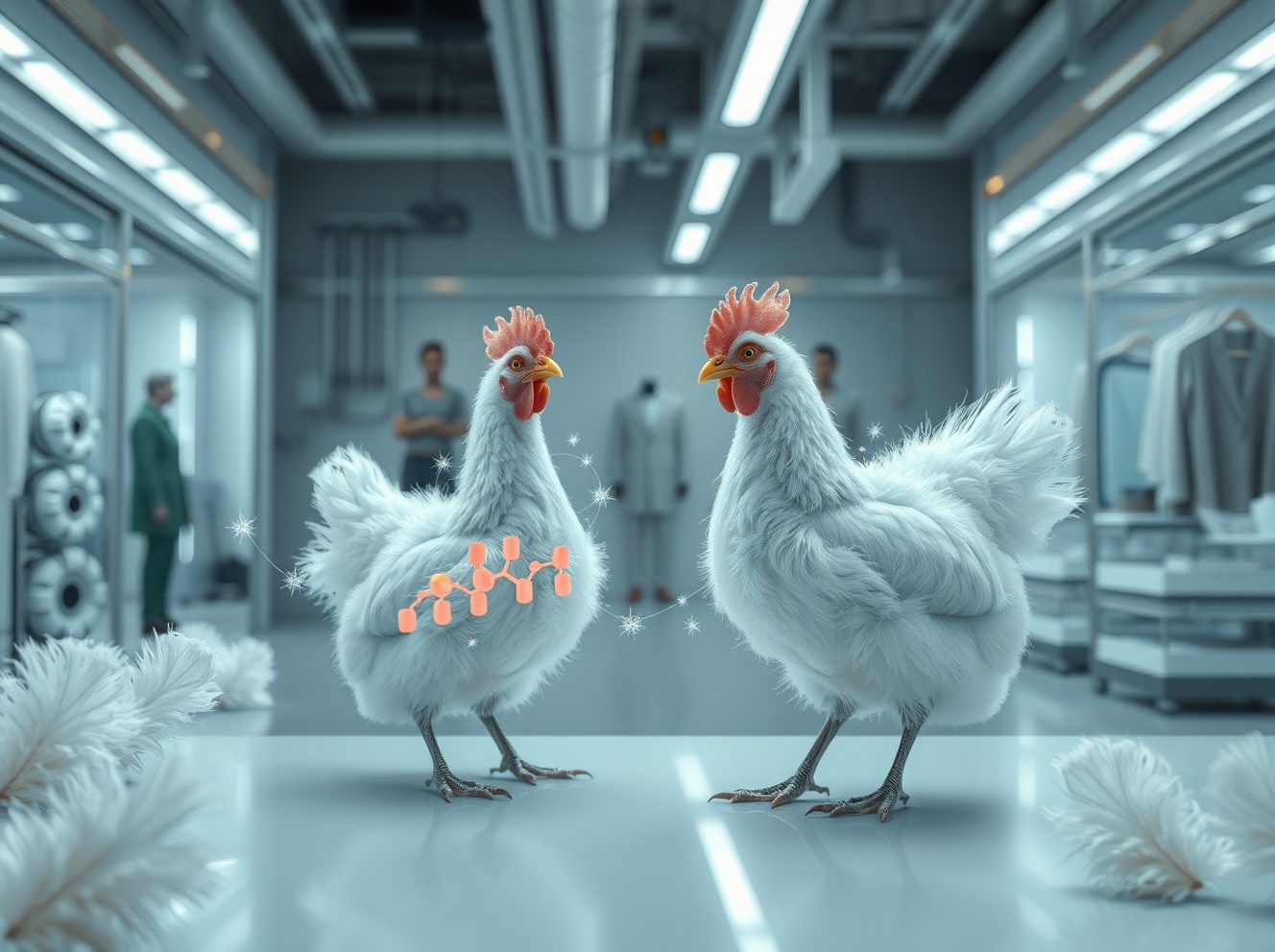
Everbloom AI Revolution: Transforming Chicken Feathers into Luxurious Cashmere with Sustainable Fashion Breakthrough
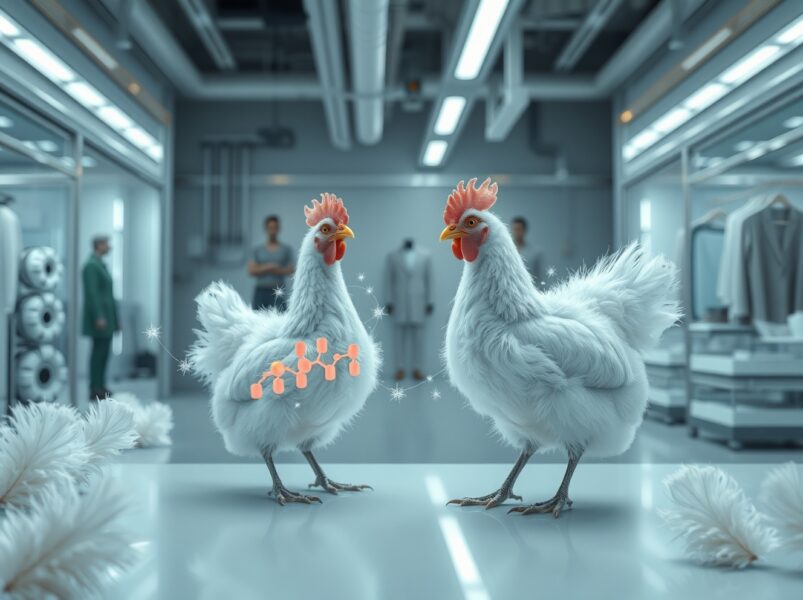
Imagine a world where your favorite cashmere sweater comes not from stressed goats, but from discarded chicken feathers. This isn’t science fiction—it’s the revolutionary reality being created by Everbloom, a startup using artificial intelligence to transform textile waste into premium fibers. In an industry where sustainability often comes with premium prices, Everbloom’s breakthrough promises to disrupt fashion with affordable, eco-friendly materials that could change how we think about luxury textiles forever.
How Everbloom AI is Revolutionizing Sustainable Fashion
The fashion industry faces a critical dilemma: growing demand for luxury materials like cashmere clashes with environmental sustainability. Traditional cashmere production requires specific goat breeds that produce only 4-6 ounces annually per animal, creating supply chain pressures that lead to unsustainable practices. Everbloom’s solution? An AI-powered material science platform called Braid.AI that creates premium fibers from waste materials. This technology represents a fundamental shift in how we approach textile production, moving from resource extraction to intelligent upcycling.
The Textile Waste Crisis and Everbloom’s Solution
Global textile waste has reached alarming levels, with millions of tons ending up in landfills annually. Everbloom addresses this crisis by targeting waste streams containing keratin—the protein found in cashmere, wool, and feathers. Their process begins with collecting waste from various sources:
- Cashmere and wool farms
- Textile mills and manufacturing facilities
- Down bedding suppliers
- Poultry industry feathers (future expansion)
The collected waste undergoes a transformation process where it’s chopped, combined with proprietary compounds, and processed through standard textile manufacturing equipment. This approach ensures compatibility with existing industry infrastructure, making adoption practical for manufacturers.
Creating Biodegradable Materials Through AI Innovation
Everbloom’s most significant achievement lies in creating fully biodegradable materials that match or exceed traditional fiber quality. Their AI system, Braid.AI, fine-tunes multiple parameters to achieve specific fiber characteristics:
| Parameter Controlled | Effect on Fiber | Target Material |
|---|---|---|
| Molecular structure | Softness and texture | Cashmere replacement |
| Fiber diameter | Warmth and weight | Wool alternatives |
| Chemical composition | Durability and dye uptake | Polyester substitutes |
| Processing temperature | Strength and elasticity | Various textiles |
“All the components we’re using are biodegradable,” says Sim Gulati, Everbloom’s CEO. The company is currently conducting accelerated testing to validate their materials’ environmental claims, potentially setting new standards for sustainable textiles.
The Economics of Upcycled Cashmere Production
Everbloom challenges the “sustainable premium” concept—the idea that eco-friendly products must cost more. Their business model demonstrates that sustainability and affordability can coexist. Key economic advantages include:
- Lower raw material costs using waste streams
- Compatibility with existing manufacturing equipment
- Reduced environmental compliance expenses
- Potential for premium pricing without premium production costs
“We want it to be more economically viable for brands and consumers,” Gulati explains. “In order for a material to be successful, you have to have both a product benefit and an economic benefit to everyone who touches the product.”
What Does This Mean for the Future of Fashion?
Everbloom’s technology represents more than just another sustainable material—it signals a fundamental transformation in how we produce textiles. The implications extend far beyond cashmere:
- Supply Chain Transformation: Moving from resource-intensive extraction to circular waste utilization
- Quality Preservation: Maintaining luxury fiber characteristics without animal welfare concerns
- Industry Accessibility: Making sustainable materials available at various price points
- Environmental Impact: Dramatically reducing fashion’s carbon and water footprint
The startup has already raised over $8 million from investors including Hoxton Ventures and SOSV, indicating strong confidence in their approach from the venture capital community.
Frequently Asked Questions
What is Everbloom’s main innovation?
Everbloom has developed Braid.AI, an artificial intelligence system that transforms keratin-based waste (like chicken feathers and textile scraps) into premium fibers indistinguishable from materials like cashmere.
How does Everbloom’s process work?
The company collects waste materials, processes them with proprietary compounds, and uses standard textile manufacturing equipment to create new fibers. Their AI system fine-tunes the formulation and processing parameters to achieve specific material qualities.
Are Everbloom’s materials truly biodegradable?
According to CEO Sim Gulati, all components used are biodegradable. The company is conducting accelerated testing to scientifically validate these claims.
Who are Everbloom’s investors?
The startup has raised over $8 million from investors including Hoxton Ventures and SOSV.
When will Everbloom’s materials be available commercially?
While specific timelines aren’t provided, the company is actively developing partnerships and scaling production capabilities for broader market availability.
The Transformative Power of AI in Sustainable Materials
Everbloom’s breakthrough demonstrates how artificial intelligence can solve complex environmental challenges while creating economic value. By turning waste into luxury, they’re not just creating another sustainable material—they’re redefining what’s possible in fashion innovation. Their approach proves that sustainability doesn’t require compromise on quality, affordability, or scalability. As the fashion industry faces increasing pressure to reduce its environmental impact, technologies like Everbloom’s offer a practical path forward that benefits producers, brands, and consumers alike.
To learn more about the latest AI innovations transforming industries, explore our article on key developments shaping artificial intelligence applications across various sectors.
This post Everbloom AI Revolution: Transforming Chicken Feathers into Luxurious Cashmere with Sustainable Fashion Breakthrough first appeared on BitcoinWorld.
You May Also Like

Is Putnam Global Technology A (PGTAX) a strong mutual fund pick right now?

U.S. Banks Near Stablecoin Issuance Under FDIC Genius Act Plan
