

‘Iran Agreement Is in Final Shape’: Trump Signals De-escalation as Talks Conclude
BitcoinWorld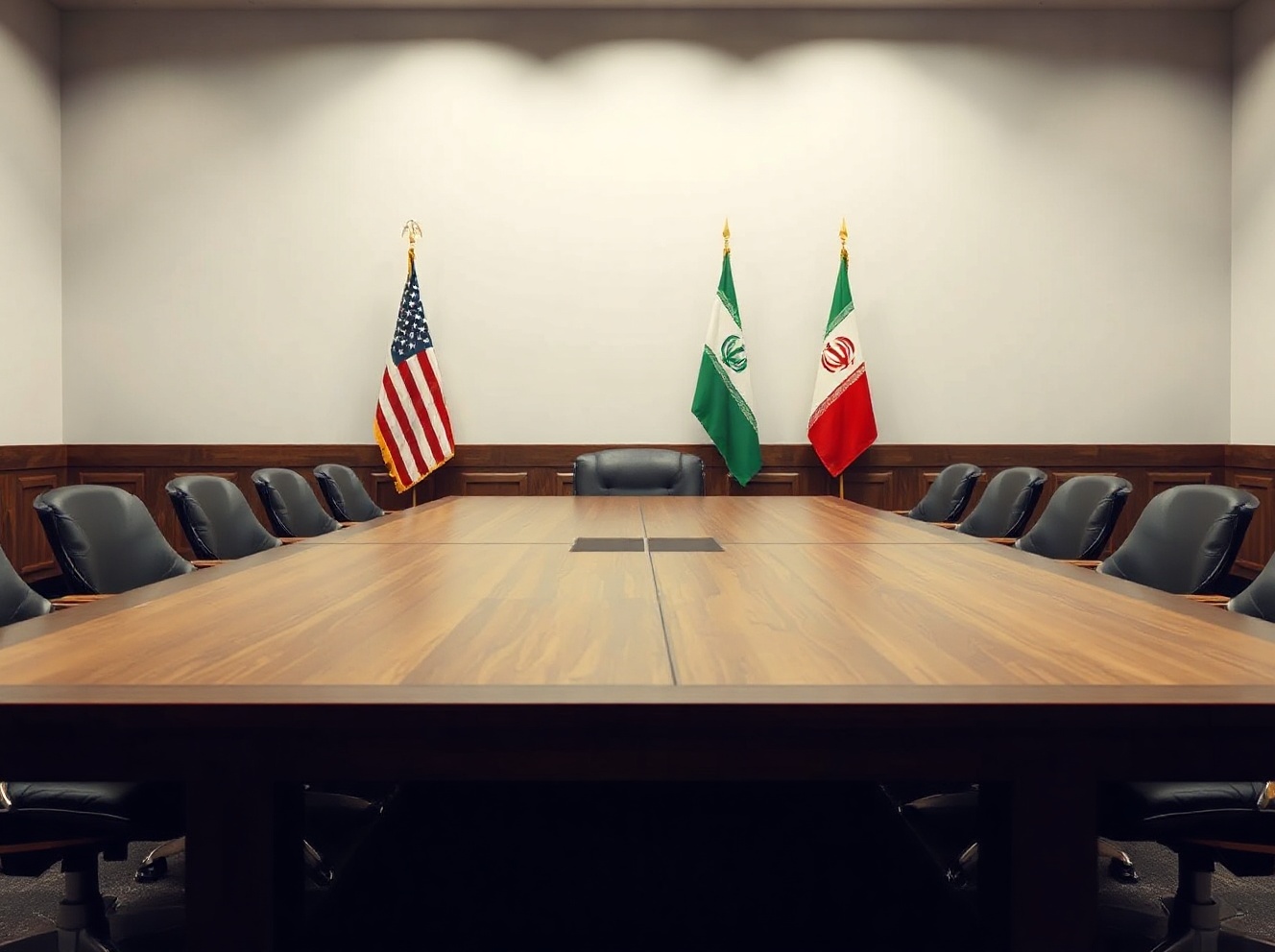
‘Iran Agreement Is in Final Shape’: Trump Signals De-escalation as Talks Conclude
President Donald Trump stated on Monday that the agreement with Iran is “in its final shape,” signaling a potential breakthrough in months of indirect negotiations. The remarks, delivered during a brief exchange with reporters at the White House, mark the clearest indication yet that the administration is moving toward a formal de-escalation of tensions with Tehran.
Background and Context
The talks, which have been conducted through intermediaries in Oman and Switzerland, have focused on curbing Iran’s uranium enrichment program and releasing detained foreign nationals. The framework under discussion is understood to include a phased lifting of certain economic sanctions in exchange for verified compliance with nuclear restrictions. While the White House has not released the full text of the proposed agreement, officials familiar with the process describe it as a “multi-stage understanding” rather than a comprehensive treaty.
Market and Geopolitical Implications
News of the impending deal has already influenced energy markets. Crude oil prices dipped by approximately 2% in early trading on Tuesday, as traders priced in the possibility of increased Iranian oil exports. A formal agreement could unlock millions of barrels per day of Iranian crude, potentially easing global supply constraints. Beyond oil, the deal is expected to reduce risk premiums in Middle Eastern equities and currencies, particularly those of Gulf states with close ties to Washington.
What the Agreement Covers
According to diplomatic sources, the core provisions of the agreement include:
- A cap on Iran’s uranium enrichment at 3.67% purity for a renewable five-year period.
- International inspections of key nuclear facilities, including those previously off-limits.
- The phased release of $6 billion in frozen Iranian assets held in South Korean and Iraqi banks.
- A commitment from both sides to refrain from military escalation in the Persian Gulf and Strait of Hormuz.
Reactions and Expert Analysis
Iranian Foreign Ministry spokesperson Nasser Kanaani described the negotiations as “constructive but fragile,” cautioning that “nothing is final until all parties sign.” Regional analysts point out that the agreement, while reducing immediate conflict risks, does not address Iran’s ballistic missile program or its support for proxy forces in Yemen, Syria, and Lebanon. “This is a tactical pause, not a strategic reset,” said Dr. Amina al-Hassan, a Middle East security fellow at the Atlantic Council. “The underlying architecture of tension remains in place.”
Conclusion
President Trump’s characterization of the Iran agreement as being in its final shape represents a significant shift from the administration’s earlier “maximum pressure” posture. Whether this signals a genuine long-term de-escalation or a temporary tactical maneuver will depend on the details of implementation and the response from both hardliners in Tehran and critics in Washington. For markets and regional stability, the immediate outlook is cautiously optimistic, but the road to a durable peace remains long.
FAQs
Q1: What is the main goal of the US-Iran agreement?
The primary goal is to freeze and roll back Iran’s nuclear enrichment program in exchange for sanctions relief, reducing the risk of a military confrontation.
Q2: How will this agreement affect oil prices?
If finalized, the deal could allow Iran to export more oil, potentially increasing global supply and putting downward pressure on crude prices. However, the impact will depend on how quickly sanctions are lifted.
Q3: Is this a permanent treaty or a temporary arrangement?
Current indications suggest it is a multi-stage, time-limited understanding (renewable up to five years) rather than a permanent treaty, allowing both sides to reassess terms periodically.
This post ‘Iran Agreement Is in Final Shape’: Trump Signals De-escalation as Talks Conclude first appeared on BitcoinWorld.


You May Also Like
After eight years, Lebanese jeweller says ‘vindicated’ by RM67.5m judgment against Rosmah
DOJ agency claims it has no records of Trump's shady IRS settlement

Taylor Swift becomes youngest woman inducted into Songwriters Hall of Fame



