

What the Price of Silver Reveals About the Global Economy
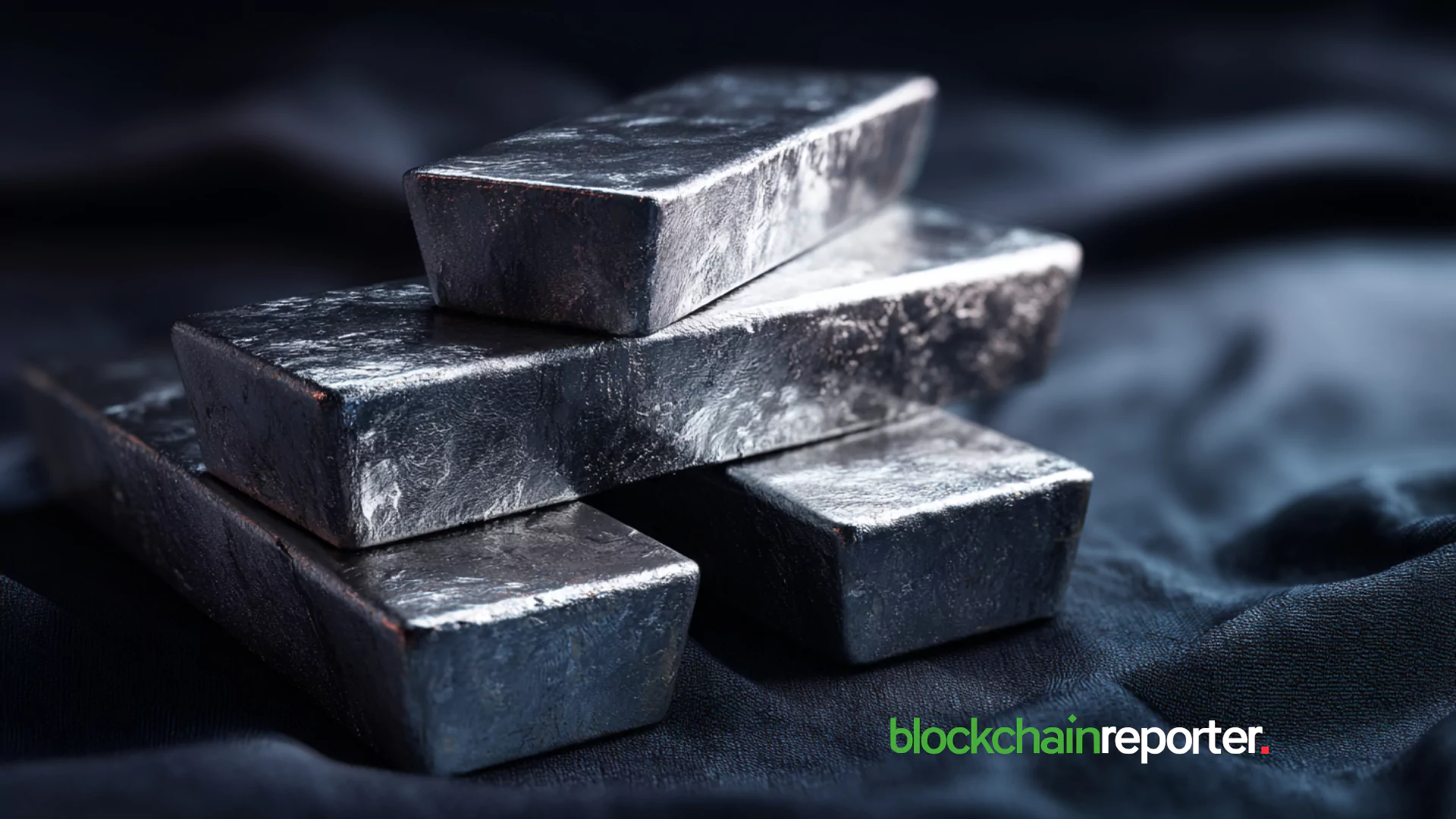
Among all traded assets, few carry as much informational weight per unit of attention as the price of silver. Equity indices reflect corporate earnings and investor sentiment. Bond yields reflect interest rate expectations and credit risk. Currency pairs reflect central bank policy and capital flows. Silver reflects all of these at once, filtered through the unique lens of a metal that functions simultaneously as an industrial input, a monetary hedge, and a speculative vehicle. For investors willing to read it carefully, silver’s price behavior offers insights into the global economy that no single financial instrument can replicate.
This guide examines what the price of silver actually reveals about broader economic conditions, why its signals are often more accurate than conventional indicators, and how this understanding can reshape the way investors approach both silver accumulation and broader portfolio decisions.
Silver as a Real-Time Indicator of Industrial Health
The industrial consumption side of silver demand provides one of the most sensitive real-time indicators of global manufacturing activity available to observers outside the specialized commodity research community. Silver is used in applications that track closely with economic expansion: solar panel production, electric vehicle manufacturing, consumer electronics, medical devices, and high-end electrical components. When these sectors grow, silver demand grows with them. When they contract, silver demand contracts ahead of many broader economic indicators.
This industrial sensitivity gives silver a forward-looking quality that pure monetary assets like gold do not possess. Investors watching the price of silver alongside manufacturing PMIs, semiconductor orders, and renewable energy installation data often detect shifts in industrial activity before they appear in quarterly GDP releases. Silver is not a perfect leading indicator, but it is frequently faster than lagging government statistics, and its price action during industrial inflection points carries information that deserves attention well beyond the precious metals community.
The Monetary Dimension That Reveals Central Bank Stress
While silver is not officially held by central banks the way gold is, its price responds sharply to monetary conditions that affect currency credibility. Periods of aggressive central bank easing, currency debasement concerns, and real interest rate compression have historically produced meaningful silver rallies, often matching or exceeding gold’s percentage moves during the same periods.
The reason is straightforward. Investors seeking monetary hedges face a choice between gold and silver, and during periods of intense monetary stress, silver’s lower absolute price and higher volatility attract capital that might otherwise flow into gold. When silver outperforms gold meaningfully, the market is often signaling that monetary concerns are spreading beyond the institutional community into broader retail and speculative participation. When silver underperforms gold, monetary concerns may be concentrated among institutional holders who prefer the larger, more liquid gold market.
Reading this relative performance carefully provides insight into how broadly monetary anxieties are penetrating the investor base. It is an imperfect signal, but it reveals sentiment dimensions that neither metal’s absolute price captures alone.
The Geopolitical Risk Premium That Appears and Disappears Quickly
Silver prices respond to geopolitical stress with a rapidity that surprises investors accustomed to slower-moving asset classes. Events that threaten supply chains, disrupt industrial activity, or accelerate monetary uncertainty tend to produce immediate silver price responses that can reverse just as quickly once the perceived threat subsides. This volatility frustrates casual observers but provides useful information to those reading the price carefully.
A silver price spike that sustains over multiple weeks suggests that geopolitical concerns have evolved beyond headline risk into structural expectations. A spike that reverses within days suggests the market absorbed the initial shock without shifting its underlying assumptions. The duration and amplitude of silver’s response to geopolitical events often reveals more about market conviction than the events themselves. Investors who track these patterns over time develop a feel for when silver’s response reflects genuine risk reassessment and when it reflects transient reaction that will unwind.
The Retail Participation Signal Hidden in Premium Expansion
One of the most distinctive features of the silver market is the visible influence of retail physical buying on product premiums. Unlike gold, where retail participation represents a smaller fraction of total demand, silver’s lower absolute price attracts substantial retail accumulation, and the condition of the retail physical market is visible in real time through the premiums on common products like silver bars or coins.
When premiums on silver coins, rounds, and small bars expand rapidly, retail buyers are stepping into the market with force. This often happens during periods of monetary uncertainty, currency concerns, or broader economic anxiety that resonates with individual investors. When premiums compress, retail participation is cooling, often reflecting improving confidence in financial markets or simple price fatigue among buyers.
Reading premium expansion and contraction alongside spot price movements reveals whether silver’s price behavior is being driven by institutional flows, retail flows, or both in combination. This distinction matters for forecasting. Rallies driven purely by institutional speculation tend to reverse quickly when positioning unwinds. Rallies supported by sustained retail physical demand tend to hold better because the underlying metal is being removed from circulation rather than simply changing hands among traders.
The Long-Term Price Story That Rewards Patient Readers
Zooming out from daily price movements reveals silver’s longer-term behavior as a chronicler of monetary history. Extended periods of price stagnation often coincide with eras of relative currency stability and low inflation expectations. Explosive rallies typically align with periods of monetary disorder, inflationary pressure, or structural shifts in industrial demand. Prolonged bear markets frequently accompany deflationary fears or periods when confidence in monetary institutions runs unusually high.
Viewed across decades, silver’s price chart functions as a visual record of how markets have assessed monetary and industrial conditions across generations. Investors who study this history develop a sense of where the current price sits within the broader arc, distinguishing between moments when silver is expensive relative to its own history and moments when it is attractively priced. This perspective does not provide precise trading signals, but it provides something arguably more valuable: context for deciding whether accumulation should accelerate, maintain steady pace, or slow temporarily in favor of other assets.
Why Reading Silver Makes Investors Better at Reading Everything Else
The discipline of reading silver’s price carefully builds analytical habits that extend well beyond the precious metals market. Tracking the relationship between spot and premiums trains investors to distinguish between wholesale and retail market conditions. Following the silver-gold ratio develops instincts for relative valuation across assets. Monitoring industrial demand data alongside monetary indicators encourages multi-variable thinking that resists simple narratives.
These habits transfer directly to other parts of a portfolio. Investors who read silver well tend to read equity rotations, currency moves, and commodity cycles with more nuance than those who accept headline explanations at face value. The metal itself is only part of what they gain. The analytical framework built around it often proves more valuable than any single purchase decision.
For investors who see silver as more than just another line in their portfolio, the price becomes a window into forces shaping the global economy in ways that few other instruments reveal. Building a physical silver position becomes, in this framing, not just an act of wealth preservation but an ongoing practice of economic observation that sharpens judgment across every other investment decision as well.
This article is not intended as financial advice. Educational purposes only.


You May Also Like
New Zealand Dollar Strengthens Against USD as Market Prices in Further RBNZ Rate Hikes
Bybit Partners with Western Union to Enable USDPT Stablecoin Trading

Binance Says It Has Recovered Over $8.2 Billion in User Deposit Errors Since 2021



