Asia FX Wavers as Rate Hike Fears and Iran Tensions Boost Dollar to Six-Week High
BitcoinWorld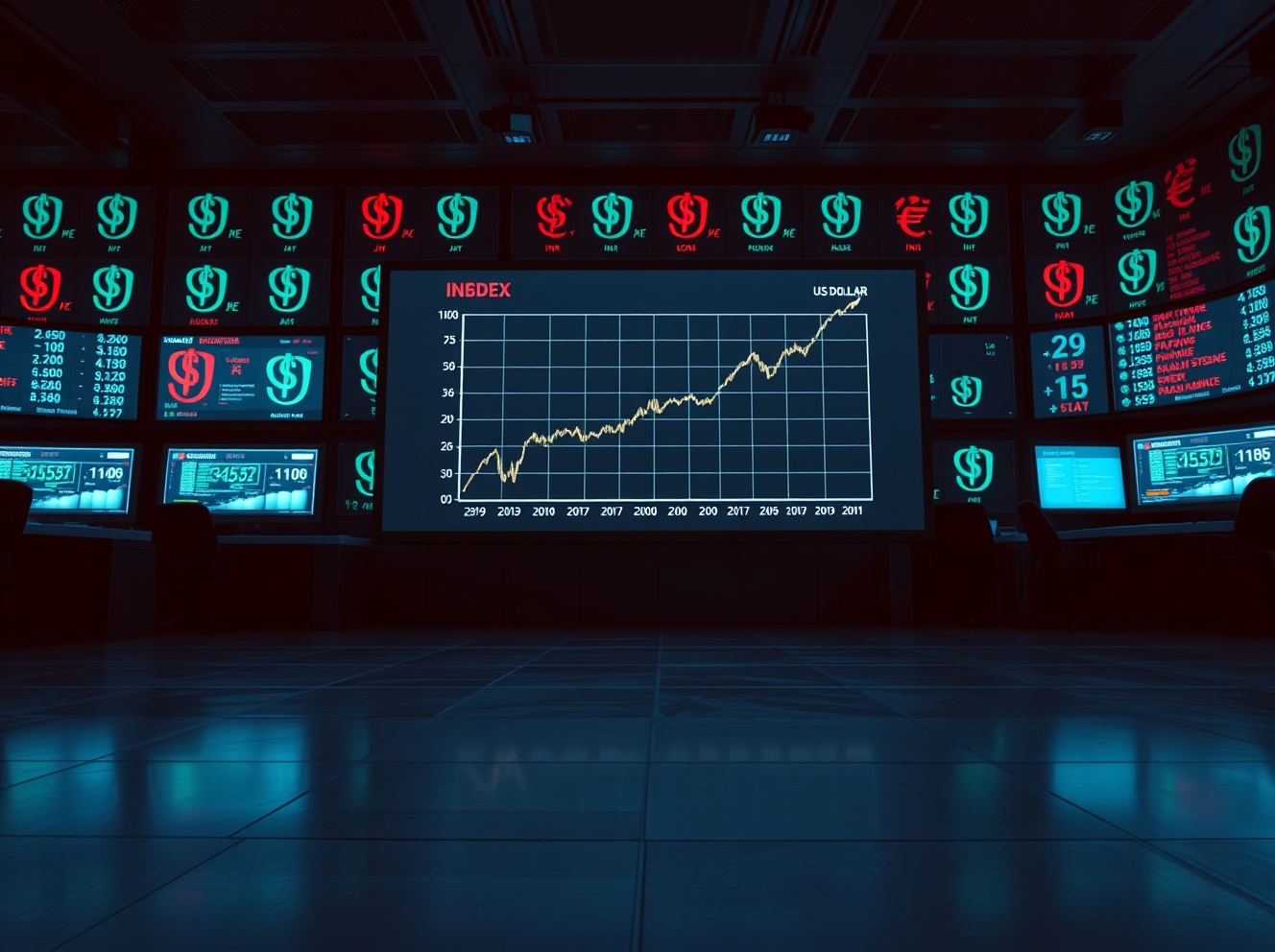
Asia FX Wavers as Rate Hike Fears and Iran Tensions Boost Dollar to Six-Week High
Asian currencies traded in a narrow, cautious range on Wednesday, struggling for direction as renewed fears of prolonged high interest rates in the United States and escalating geopolitical uncertainty surrounding Iran pushed the dollar to its strongest level in six weeks. The cautious mood kept regional forex markets under pressure, with traders weighing the dual headwinds of tighter monetary policy and heightened geopolitical risk.
Dollar Strength Weighs on Regional Currencies
The US dollar index climbed to a fresh six-week peak, driven by hawkish signals from the Federal Reserve and a flight to safe-haven assets amid the Iran uncertainty. This has placed significant downward pressure on Asian currencies, many of which have already been struggling against a backdrop of slowing export demand and domestic economic headwinds. The Japanese yen remained near multi-year lows, while the Chinese yuan and South Korean won also edged lower against the greenback.
Rate Hike Fears Resurface
Market sentiment has been rattled by recent comments from Federal Reserve officials suggesting that interest rates may need to remain elevated for longer than previously anticipated to curb persistent inflation. This has led to a reassessment of the timeline for potential rate cuts, with some analysts now pushing back expectations to late 2025 or early 2026. For Asian economies, a stronger dollar and higher US rates typically lead to capital outflows and increased pressure on local currencies, complicating the policy decisions for regional central banks.
Impact on Emerging Markets
The renewed strength of the dollar poses a particular challenge for emerging Asian economies that rely on foreign capital to finance current account deficits. Countries such as India, Indonesia, and the Philippines may face increased volatility in their bond and currency markets. Central banks in the region are expected to remain vigilant, potentially intervening in forex markets to smooth excessive volatility, but the broader trend remains dictated by US monetary policy and global risk appetite.
Geopolitical Uncertainty Adds to Caution
The ongoing uncertainty surrounding Iran has added another layer of complexity to the market outlook. While direct economic linkages between Iran and most Asian economies are limited, the potential for disruption to global energy supplies and shipping routes has injected a risk premium into markets. Higher oil prices, which often accompany geopolitical tensions in the Middle East, could further complicate the inflation outlook for Asian importers, making it harder for central banks to ease policy.
Conclusion
The combination of hawkish Federal Reserve signals and heightened geopolitical risk from Iran has created a challenging environment for Asian currencies. With the dollar holding near six-week highs and rate cut expectations being pushed back, regional forex markets are likely to remain under pressure in the near term. Traders will be closely watching upcoming US economic data and any developments in the Middle East for clearer direction.
FAQs
Q1: Why is the US dollar strengthening?
The dollar is strengthening due to hawkish signals from the Federal Reserve indicating that interest rates may stay higher for longer to combat persistent inflation, alongside safe-haven demand driven by geopolitical uncertainty related to Iran.
Q2: How does a stronger dollar affect Asian currencies?
A stronger dollar typically leads to depreciation pressure on Asian currencies as capital flows back to US assets, making imports more expensive and potentially fueling inflation in Asian economies.
Q3: What can Asian central banks do to support their currencies?
Asian central banks can intervene in foreign exchange markets by selling dollar reserves, raise domestic interest rates to attract capital, or implement macroprudential measures to stabilize capital flows.
This post Asia FX Wavers as Rate Hike Fears and Iran Tensions Boost Dollar to Six-Week High first appeared on BitcoinWorld.


You May Also Like

Beyond Cleaning: What Else You Must Check Before Moving Out

Justice Department has 'gone off the rails' for Trump's 'pretzel logic': analysis