US 30-Year Treasury Yield Hits 5.197%, Highest Since July 2007
BitcoinWorld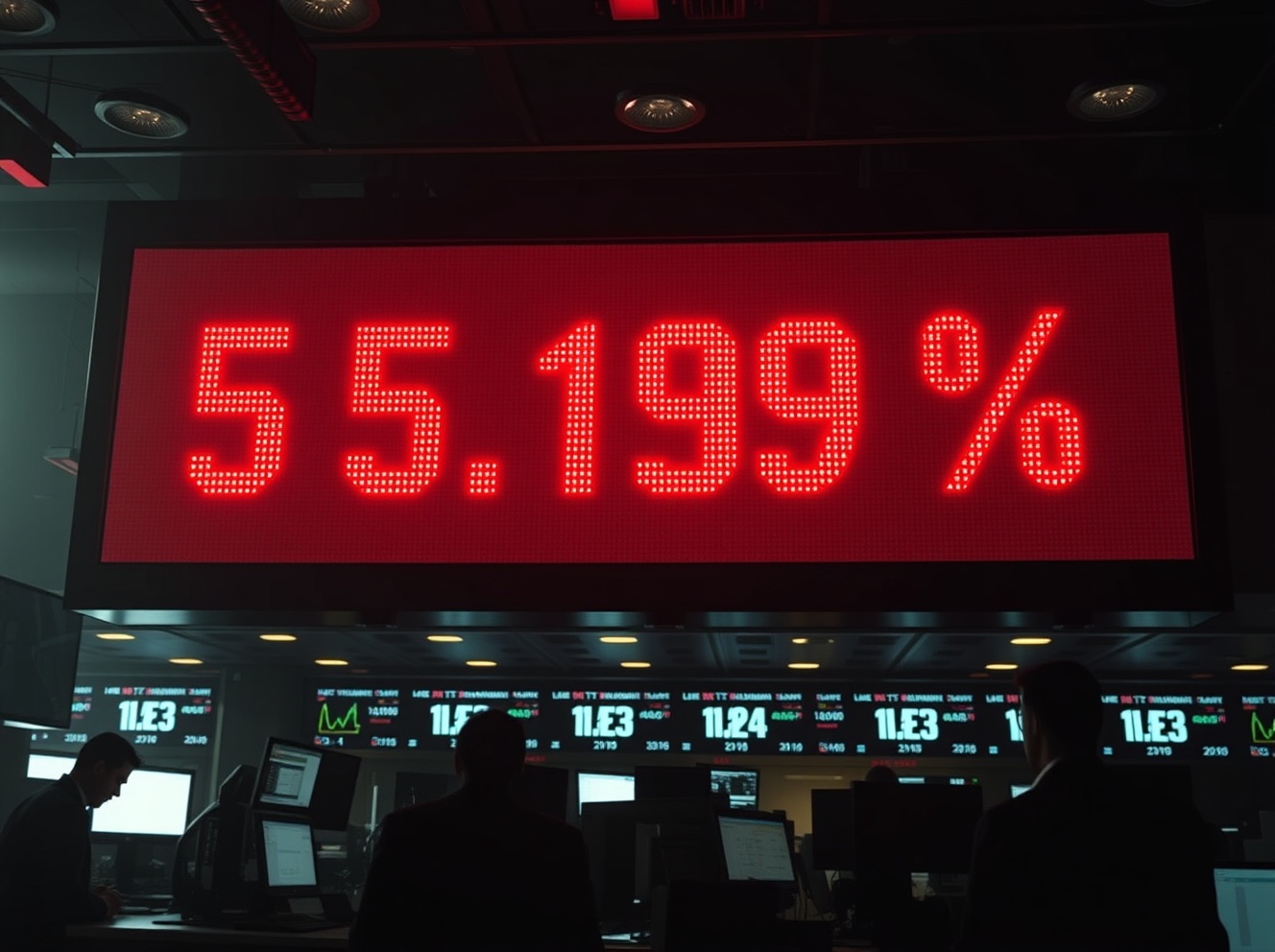
US 30-Year Treasury Yield Hits 5.197%, Highest Since July 2007
The yield on the US 30-year Treasury bond climbed to 5.197% on Tuesday, marking its highest level since July 2007. The move underscores persistent inflationary pressures and a repricing of long-term interest rate expectations, with significant implications for borrowing costs, mortgage rates, and Federal Reserve policy.
What drove the surge in long-term yields?
The rise in the 30-year yield reflects a combination of factors, including stronger-than-expected economic data, a resilient labor market, and concerns that the Federal Reserve may need to keep interest rates elevated for longer than previously anticipated. Investors are also pricing in the impact of sustained government borrowing and a potential shift in the Treasury’s debt issuance strategy toward longer-dated securities.
Recent manufacturing and services sector readings have exceeded forecasts, suggesting that the economy is not cooling as quickly as many had expected. This has led traders to reduce bets on near-term rate cuts, pushing yields higher across the curve.
Market context and historical significance
The 5.197% level is a notable milestone, as it exceeds the highs seen during the 2023 bond selloff and approaches the peaks of the pre-global financial crisis era. For context, the 30-year yield spent much of the 2010s below 3%, and the current level represents a more than doubling from the pandemic-era lows of around 1.2% in 2020.
The move has been accompanied by a steepening of the yield curve, with long-term rates rising faster than short-term rates. This pattern often signals that investors expect stronger growth or higher inflation ahead, rather than an imminent recession.
What this means for borrowers and investors
The rise in the 30-year yield directly influences long-term borrowing costs. Mortgage rates, which are closely tied to the 10-year and 30-year Treasury yields, have already moved higher. The average 30-year fixed mortgage rate has climbed above 7%, adding pressure to the housing market and reducing affordability for homebuyers.
For investors, higher long-term yields offer more attractive risk-free returns, which can draw capital away from equities and other risk assets. Bond prices move inversely to yields, meaning existing bondholders have seen significant losses in their portfolios.
Federal Reserve outlook and policy implications
The yield surge complicates the Fed’s policy path. While the central bank has signaled it may begin cutting rates later this year, the persistent rise in long-term yields could do some of the tightening work for the Fed by restraining economic activity through higher borrowing costs. However, if inflation remains sticky, the Fed may be forced to hold rates steady or even consider further hikes.
Fed Chair Jerome Powell has repeatedly emphasized that policy decisions will be data-dependent. The upcoming consumer price index (CPI) and employment reports will be closely watched for clues on the trajectory of inflation and the labor market.
Conclusion
The 30-year Treasury yield at 5.197% is a clear signal that markets are recalibrating expectations for interest rates and economic growth. The implications extend across mortgages, corporate borrowing, equity valuations, and fiscal policy. Investors and policymakers alike will be watching closely to see whether this level holds or gives way to further increases in the weeks ahead.
FAQs
Q1: Why is the 30-year Treasury yield important?
The 30-year Treasury yield is a benchmark for long-term interest rates. It influences mortgage rates, corporate bonds, and other long-term borrowing costs, and is a key indicator of investor expectations for inflation and economic growth.
Q2: What does a rising 30-year yield mean for the stock market?
Higher yields can make bonds more attractive relative to stocks, potentially leading to lower equity valuations, especially for growth and technology companies that are more sensitive to discount rates.
Q3: Could the yield go higher?
If economic data continues to show strength and inflation remains above the Fed’s 2% target, yields could move higher. Some analysts see the next resistance level around 5.5% for the 30-year bond.
This post US 30-Year Treasury Yield Hits 5.197%, Highest Since July 2007 first appeared on BitcoinWorld.


You May Also Like

The Chemistry of UV Resistance: How Titanium Dioxide Protects Against the California Sun

Top Line plans Cebu energy complex to boost storage capacity