ChatGPT Images 2.0 Dominates in India but Faces Measured Global Adoption: A Deep Dive
BitcoinWorld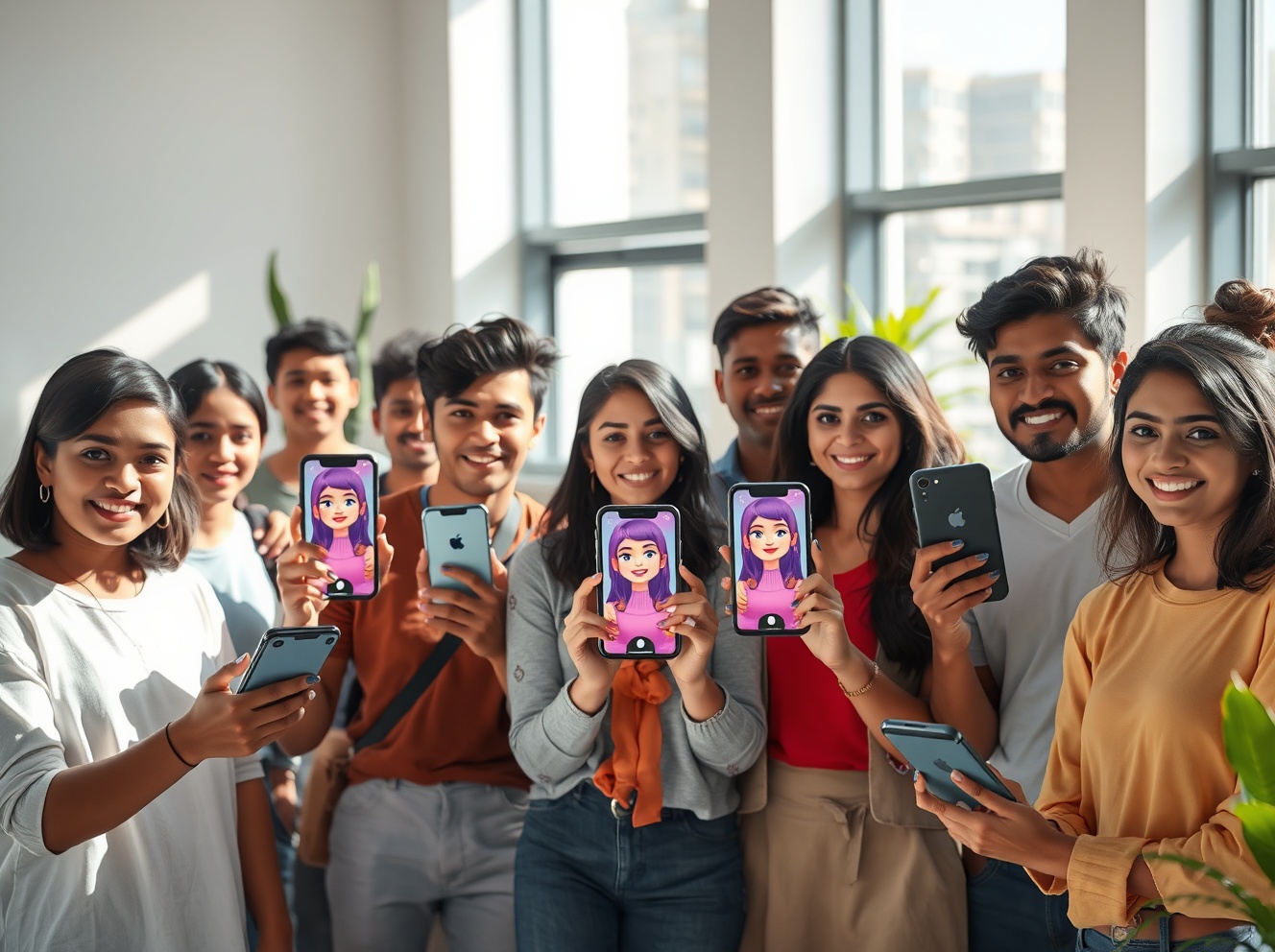
ChatGPT Images 2.0 Dominates in India but Faces Measured Global Adoption: A Deep Dive
India has emerged as the largest user base for ChatGPT Images 2.0 since its launch last week, OpenAI confirmed on Thursday. However, third-party data reviewed by Bitcoin World points to a more measured global response, with limited overall growth alongside sharp spikes in select emerging markets. This new image-generation upgrade, designed to handle complex prompts and produce detailed visuals, including accurate text across multiple languages, has sparked a surge in personal creativity in India, but its broader international impact remains subdued.
ChatGPT Images 2.0: A Global Rollout with Mixed Signals
Early patterns from OpenAI suggest users—especially in India, its largest market—are leveraging the tool for personal expression. They create avatars, stylized portraits, and fantasy-themed images. Data shared by Sensor Tower and Similarweb with Bitcoin World reveals a more nuanced picture. ChatGPT’s app downloads rose 11% week-over-week following the launch, per Sensor Tower. Yet, overall engagement gains were modest, with daily active users and sessions up only around 1%. Similarly, Similarweb data shows a limited increase in ChatGPT’s global web traffic, rising about 1.6% week-over-week during the same period.
This pattern indicates that while the feature attracts new downloads, it does not yet significantly boost sustained user activity in most regions. The modest engagement growth suggests that for many existing users, the new image capabilities have not fundamentally changed their interaction frequency with the platform.
Emerging Markets Show Sharp Spikes
Despite the tempered global response, Sensor Tower data indicates that some emerging markets experienced dramatic surges. Countries including Pakistan, Vietnam, and Indonesia saw sharper spikes in ChatGPT’s app downloads, with increases of up to 79% week-over-week during the rollout period. This suggests a strong, unmet demand for advanced AI image tools in these regions, likely driven by lower barriers to entry and high mobile penetration.
These sharp spikes contrast with the overall modest growth, highlighting a fragmented adoption pattern. While mature markets like the U.S. and Europe show cautious engagement, emerging economies are embracing the technology more aggressively. This divergence could shape OpenAI’s future localization and marketing strategies.
India: The Epicenter of ChatGPT Images 2.0 Activity
India remains a major source of activity during the rollout. Sensor Tower estimates show ChatGPT was downloaded about 5 million times in India during the launch week, compared with roughly 2 million in the U.S. However, growth remained modest on a week-over-week basis. Similarweb data also points to a limited uptick in engagement, with daily active users in India rising about 3.4% week-over-week during the same period.
In India, the early trends suggest ChatGPT Images 2.0 is largely being used as a form of self-expression. Rather than purely functional outputs, users are creating studio-style portraits from everyday photos, social media-ready images, and imaginative visuals that place themselves at the center, OpenAI said. This personal, creative use case is driving the volume, even if it does not translate into a massive week-over-week growth spike.
Localized Features Drive Adoption
OpenAI’s improvements to non-Latin text rendering, including Hindi and Bengali, have been critical for India’s adoption. The new “thinking” capabilities, which allow the model to refine outputs and generate multiple variations from a single prompt, also empower users to experiment more freely. This focus on localization is a key differentiator in a market where language diversity is vast.
Beyond stylized portraits and avatars, OpenAI said early Images 2.0 users in India are experimenting with a wider range of formats—from fantasy newspaper covers to tarot-style visuals and fashion moodboards. Users are also using the AI tool to restore older photos and create cinematic portrait collages, indicating a shift toward more personal and nostalgic applications.
Competitive Landscape and Market Dynamics
OpenAI’s Images 2.0 launch comes amid intensifying competition in AI image generation. Google’s earlier image-focused model also saw strong early traction in India, indicating how the nation has become an important market for image generation. With the new ChatGPT Images release, OpenAI is pushing further with improvements such as better rendering of non-Latin text and enhanced prompt understanding.
This competitive pressure is driving rapid innovation. OpenAI’s ability to capture and retain users in India will be a key test of its strategy. The company must balance global product consistency with local customization to maintain its edge against rivals like Google and emerging startups.
User Behavior: Self-Expression Over Functionality
The early patterns also highlight how AI image tools are being adopted differently across markets. While India’s large user base is driving overall scale, sharper spikes in countries like Pakistan and Indonesia point to stronger new-user demand in emerging markets following the launch. This suggests that in these regions, the novelty and accessibility of AI-generated personal imagery are powerful acquisition drivers.
In contrast, users in more mature markets may have higher expectations for functional or professional applications, leading to slower adoption. OpenAI may need to develop tailored marketing campaigns and feature sets to address these diverse user needs.
Data-Backed Insights and Expert Analysis
Industry analysts point to several factors behind the measured global response. First, the AI image generation market is already crowded, with established players like Midjourney and Adobe Firefly. Second, many users may be cautious about privacy and data usage when uploading personal photos. Third, the modest engagement gains suggest that while the feature is appealing, it may not yet be a daily driver for most users.
However, the sharp spikes in emerging markets indicate significant untapped potential. As internet penetration and smartphone adoption continue to grow in these regions, demand for accessible creative tools will likely increase. OpenAI’s investment in multilingual support and low-bandwidth optimization could pay substantial dividends in the long term.
Timeline of Key Events
- Launch Week: OpenAI releases ChatGPT Images 2.0 with enhanced text rendering and thinking capabilities.
- Days 1-3: India emerges as the largest user base, with 5 million downloads in the first week.
- Days 4-7: Sensor Tower and Similarweb data reveal modest global engagement but sharp spikes in Pakistan, Vietnam, and Indonesia.
- Week 2: OpenAI analyzes user behavior, noting a focus on personal expression and self-portraiture in India.
Conclusion
ChatGPT Images 2.0 has clearly struck a chord in India, where personal expression and creative experimentation are driving massive download volumes. However, its global impact remains measured, with modest engagement gains and sharp but localized spikes in emerging markets. This pattern underscores the importance of localization and market-specific strategies for AI tools. As OpenAI continues to refine its image generation capabilities, its success will depend on balancing global reach with local relevance. The data from this launch provides valuable insights for the entire AI industry, highlighting both the immense potential and the challenges of scaling new features across diverse user bases.
FAQs
Q1: What is ChatGPT Images 2.0?
ChatGPT Images 2.0 is OpenAI’s latest image-generation upgrade, designed to handle more complex prompts and produce detailed visuals with accurate text across multiple languages, including Hindi and Bengali.
Q2: Why is India the largest user base for ChatGPT Images 2.0?
India’s large, mobile-first population, combined with OpenAI’s improvements to non-Latin text rendering and a strong culture of personal expression on social media, has driven high adoption.
Q3: How has the global response to ChatGPT Images 2.0 been?
Global response has been mixed. While app downloads rose 11% week-over-week, overall engagement gains were modest, with daily active users up only around 1%. Sharp spikes were seen in emerging markets like Pakistan and Vietnam.
Q4: What are users in India primarily creating with ChatGPT Images 2.0?
Users in India are mainly creating personal visuals such as avatars, stylized portraits, fantasy-themed images, studio-style portraits, social media-ready images, and even restored old photos and cinematic collages.
Q5: How does ChatGPT Images 2.0 compare to competitors like Google’s image models?
ChatGPT Images 2.0 focuses on better non-Latin text rendering and thinking capabilities for refined outputs. Google’s earlier image model also saw strong traction in India, highlighting intense competition in the AI image generation space.
This post ChatGPT Images 2.0 Dominates in India but Faces Measured Global Adoption: A Deep Dive first appeared on BitcoinWorld.


You May Also Like

What Makes a Payment Fast and Secure in 2026?
USD/INR Surrenders Gains but Holds Near Record Highs: A Critical Juncture for the Indian Rupee