

Fed Rate Cut Odds for 2025 Plummet to 50% on Kalshi, Signaling Economic Uncertainty
BitcoinWorld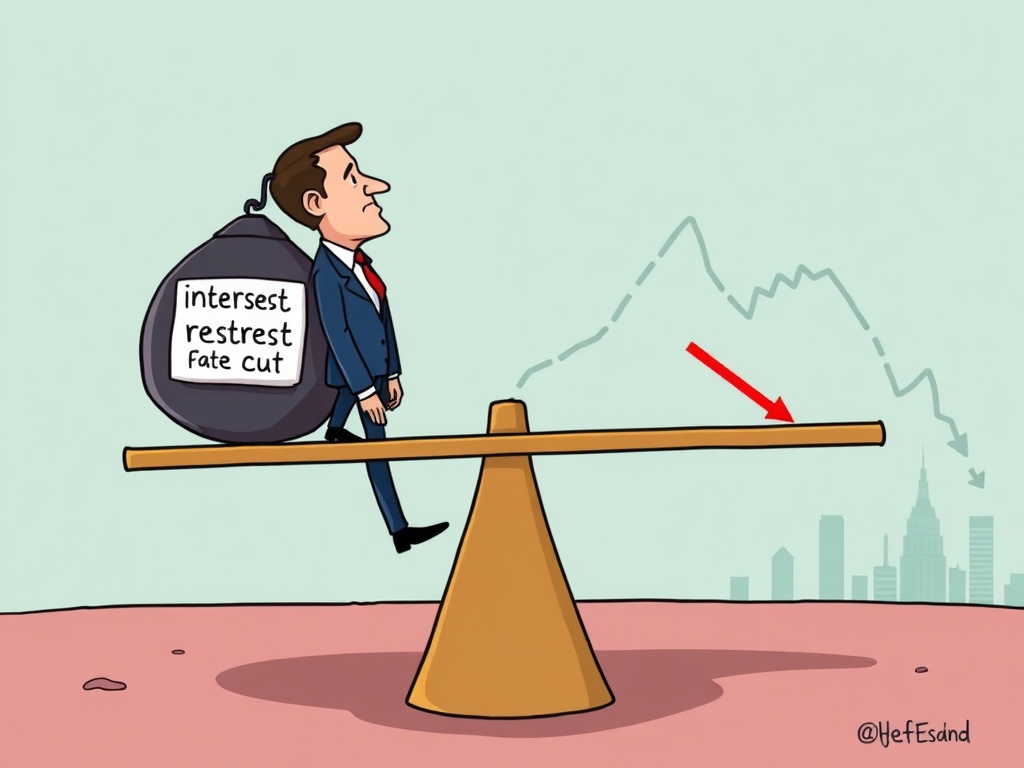
Fed Rate Cut Odds for 2025 Plummet to 50% on Kalshi, Signaling Economic Uncertainty
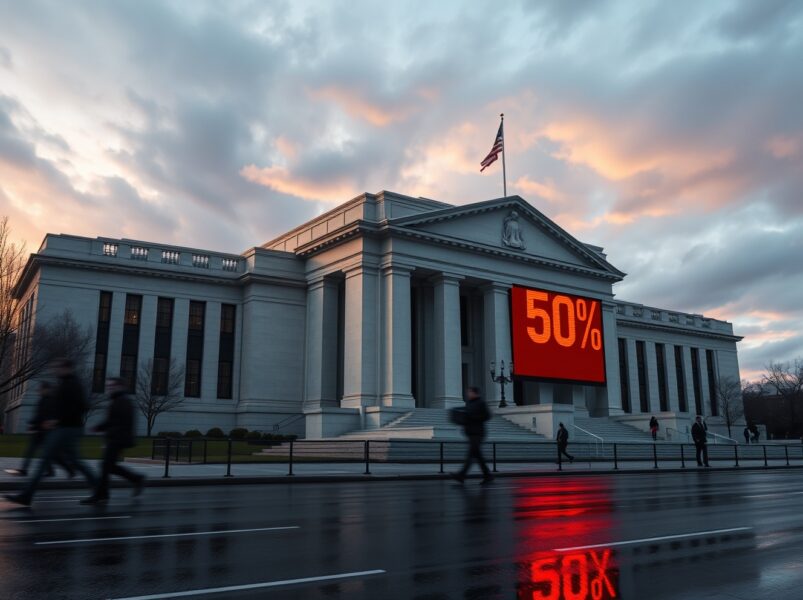
The probability of a U.S. Federal Reserve rate cut this year has dropped to just 50% on the Kalshi prediction market. This marks a dramatic decline from the 80-90% odds recorded at the start of 2025. The shift signals growing uncertainty about the central bank’s next move.
Understanding the Fed Rate Cut Odds on Kalshi
Kalshi, a regulated prediction market, allows traders to bet on real-world events. The platform’s data now shows a 50% chance of a Fed rate cut in 2025. This represents a 30-40 percentage point drop since January. Market participants are reassessing their expectations. They now weigh stubborn inflation and a resilient labor market.
The change is significant for investors. It directly impacts bond yields, stock valuations, and the US dollar. A lower probability of a rate cut suggests the Fed may keep rates higher for longer. This could slow economic growth.
Why Did the Odds Decline So Sharply?
Several factors contributed to this rapid decline. First, recent economic data showed stronger-than-expected job growth. Second, consumer spending remains robust. Third, inflation has not fallen as quickly as anticipated.
The Federal Reserve’s own statements have also shifted. Chair Jerome Powell emphasized patience. He stated the Fed needs more evidence of cooling inflation before cutting rates. This hawkish tone directly influenced Kalshi’s odds.
Additionally, global events play a role. Geopolitical tensions and supply chain disruptions keep prices elevated. These factors reduce the likelihood of a near-term rate cut.
The Impact on Financial Markets
The falling odds have immediate effects. Bond yields rose sharply after the data release. The 10-year Treasury yield climbed to 4.5%. Stock markets reacted negatively. The S&P 500 dropped 1.2% in a single session.
The US dollar strengthened against major currencies. A higher interest rate environment attracts foreign capital. This boosts the dollar’s value. Exporters face headwinds as their goods become more expensive abroad.
Comparing Kalshi Data with Other Indicators
Kalshi is not the only source for rate cut expectations. The CME FedWatch Tool shows a similar trend. It now places the probability of a cut at 55%. Both platforms align, confirming the market’s shift.
However, prediction markets offer unique insights. They aggregate real money bets. This often makes them more accurate than surveys. Traders have skin in the game. Their decisions reflect genuine conviction.
| Indicator | January 2025 Odds | Current Odds (April 2025) |
|---|---|---|
| Kalshi Prediction Market | 80-90% | 50% |
| CME FedWatch Tool | 75-85% | 55% |
| Economist Survey (WSJ) | 70% | 45% |
The table shows a clear consensus. All major indicators point to a reduced likelihood of a rate cut. This consistency strengthens the signal for investors.
What This Means for Borrowers and Savers
Consumers feel the impact directly. Mortgage rates remain elevated. The average 30-year fixed rate stands at 7.2%. Credit card APRs hover near 22%. Car loan rates exceed 8%.
Savers benefit from higher yields. High-yield savings accounts offer 4.5% APY. Money market funds provide similar returns. This environment rewards patience.
Businesses face higher borrowing costs. Small businesses struggle to expand. Corporate debt refinancing becomes expensive. This could slow hiring and investment.
Expert Analysis and Forward Guidance
Economists offer varied perspectives. Some argue the odds will rebound. They cite potential economic slowdown in the second half of 2025. Others believe rates will stay high. They point to structural inflation drivers.
Dr. Sarah Chen, a former Fed economist, notes: ‘The market is overreacting to short-term data. The Fed will cut once inflation trends lower.’ Her view contrasts with traders on Kalshi.
John Miller, a fixed-income strategist, disagrees. ‘The economy is too strong for cuts. The Fed will hold until 2026.’ These opposing views fuel market volatility.
Historical Context: Rate Cut Cycles
The current situation mirrors past cycles. In 2019, the Fed cut rates after a similar period of uncertainty. In 2020, emergency cuts occurred during the pandemic. Each cycle had unique triggers.
Today’s environment is different. Inflation is above the 2% target. The labor market is tight. These conditions historically delay rate cuts. The Fed prioritizes price stability over growth.
- 2019 Rate Cuts: Three cuts totaling 75 basis points. Triggered by trade war fears and slowing global growth.
- 2020 Emergency Cuts: Two cuts totaling 150 basis points. Caused by the COVID-19 pandemic.
- 2023-2024 Pause: No cuts despite market expectations. Inflation remained sticky above 3%.
- 2025 Outlook: 50% probability of a single cut. Most likely in the fourth quarter.
This timeline shows the Fed’s cautious approach. It rarely acts without clear evidence. The current odds reflect this reality.
The Role of Prediction Markets in Policy Analysis
Kalshi and similar platforms gain popularity. They offer real-time sentiment analysis. Policymakers monitor these markets. They provide unfiltered data on expectations.
Critics question their reliability. Small volumes can distort prices. However, Kalshi’s Fed contracts trade actively. Volume exceeds $10 million daily. This liquidity enhances accuracy.
Regulators also watch these markets. The Commodity Futures Trading Commission (CFTC) oversees Kalshi. This adds a layer of legitimacy. Investors trust the data more than unregulated alternatives.
Global Implications of US Rate Policy
The Fed’s decisions ripple worldwide. Emerging markets feel the pressure. Higher US rates attract capital away from developing economies. This weakens their currencies and raises debt costs.
The European Central Bank and Bank of Japan also adjust their policies. They must balance domestic needs with US rate moves. A delayed Fed cut could force other central banks to maintain tighter stances.
Trade dynamics shift as well. A stronger dollar makes US exports more expensive. This widens the trade deficit. It also reduces profits for multinational corporations.
Conclusion
The Fed rate cut odds for 2025 falling to 50% on Kalshi represents a major market recalibration. It reflects stubborn inflation, a resilient economy, and cautious Fed guidance. Investors must adjust their strategies accordingly. The path forward remains uncertain. However, the data provides a clear snapshot of current expectations. Monitoring these odds will be crucial for anyone exposed to interest rate risk.
FAQs
Q1: What does a 50% probability of a Fed rate cut mean?
A: It means the market is evenly split. There is a 50% chance the Fed will cut rates in 2025 and a 50% chance it will not. This is a significant drop from the 80-90% odds seen earlier in the year.
Q2: How does Kalshi calculate these odds?
A: Kalshi uses a continuous trading mechanism. Traders buy and sell contracts that pay out if a rate cut occurs. The price of the contract reflects the market’s probability estimate. For example, a contract trading at $0.50 implies a 50% chance.
Q3: Why did the odds decline so quickly?
A: Strong economic data, persistent inflation, and hawkish Fed comments drove the decline. Job growth exceeded expectations. Consumer spending remained robust. The Fed signaled it needs more evidence of cooling inflation before cutting rates.
Q4: Should I change my investment strategy based on these odds?
A: Investors should consider the odds as one data point. A 50% probability suggests high uncertainty. Diversification remains key. Fixed-income investors may favor shorter-duration bonds. Equity investors might focus on sectors less sensitive to interest rates.
Q5: Are prediction markets like Kalshi reliable?
A: They offer valuable real-time data. However, they are not perfect. Small trading volumes can skew prices. Kalshi’s Fed contracts have high liquidity, enhancing reliability. Combine this data with other indicators like the CME FedWatch Tool for a fuller picture.
This post Fed Rate Cut Odds for 2025 Plummet to 50% on Kalshi, Signaling Economic Uncertainty first appeared on BitcoinWorld.


You May Also Like

BAE Systems Stock: Sweden Awards $180M TRIDON Mk2 Air Defense Contract

Bitcoin Whales Are Quietly Accumulating: A Strategic Move That Could Signal Major Market Shift




