Hezbollah’s Defiant Vow: Analyzing the Strategic Calculus Behind Its Continued Resistance
BitcoinWorld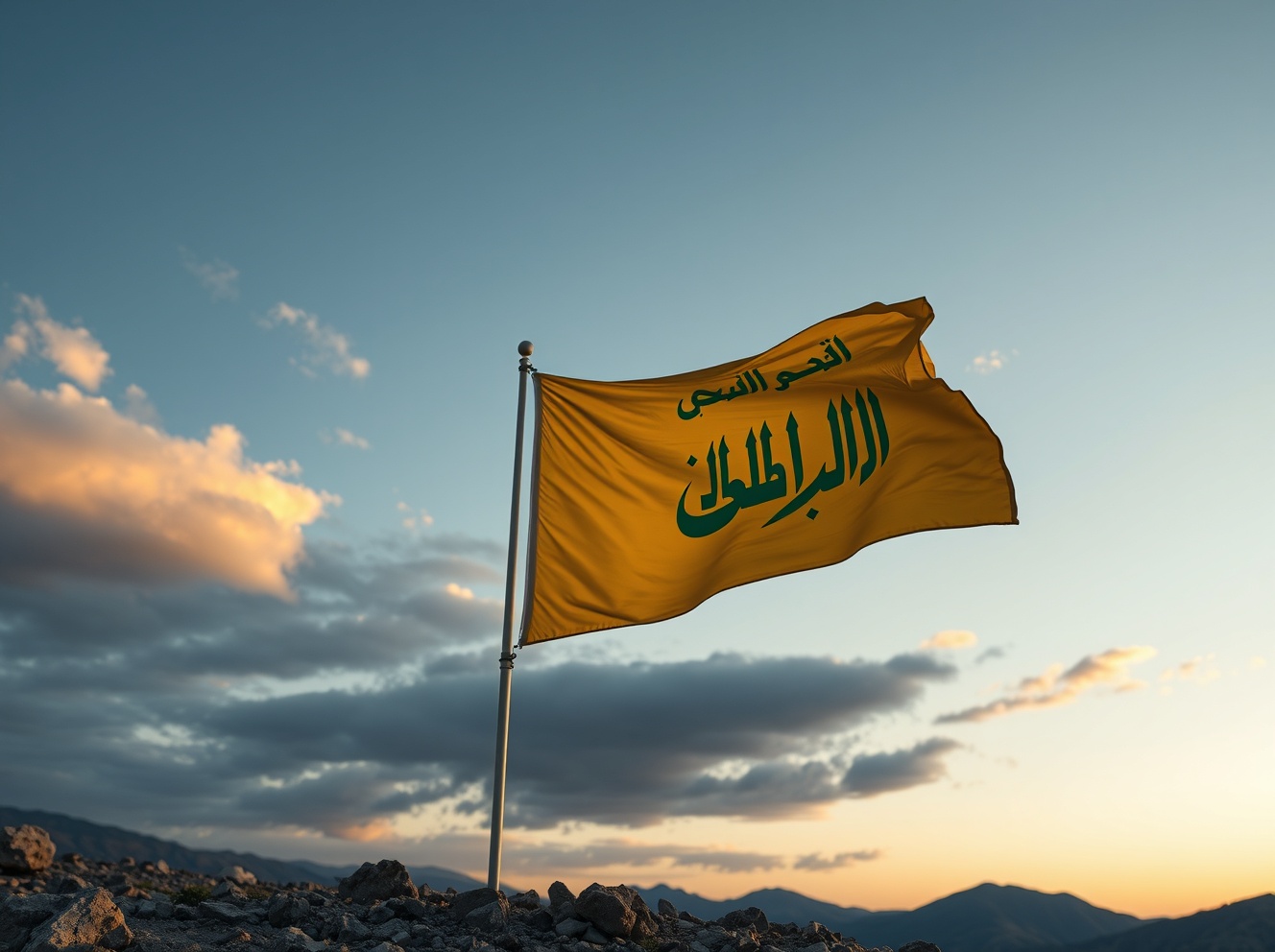
Hezbollah’s Defiant Vow: Analyzing the Strategic Calculus Behind Its Continued Resistance
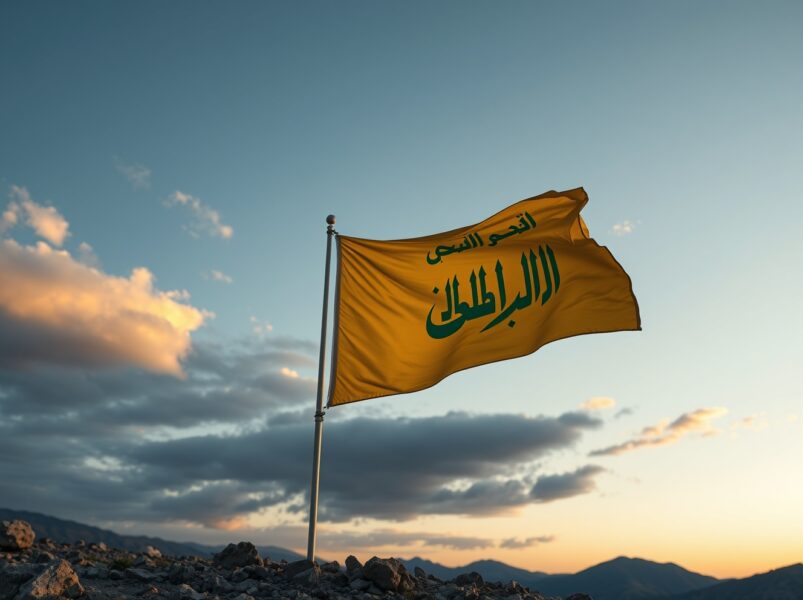
In a stark declaration that underscores the persistent volatility of the Middle East, the Lebanese armed group Hezbollah has reaffirmed its commitment to continue its resistance “until its last breath.” This statement, reported from Beirut, Lebanon, on April 10, 2025, by Walter Bloomberg, signals a hardening of positions amid a complex regional landscape. Consequently, analysts are scrutinizing the strategic, political, and military implications of this pledge for Lebanon, Israel, and the broader proxy dynamics involving Iran.
Hezbollah’s Resistance in Historical Context
The concept of resistance (muqawama in Arabic) forms the core of Hezbollah’s identity and political legitimacy. Founded in the 1980s with Iranian support, the group originally mobilized to oppose the Israeli occupation of southern Lebanon. Following Israel’s withdrawal in 2000, Hezbollah claimed a historic victory for its model. Subsequently, the 2006 Lebanon War further cemented its status as a formidable non-state military actor. Today, Hezbollah operates as a hybrid entity—a political party within Lebanon’s government, a provider of social services, and a powerful militia. Its arsenal, estimated to include over 130,000 rockets and missiles, represents a significant deterrent force. This military capability directly supports its resistance doctrine against perceived Israeli aggression.
The Geopolitical Calculus of a Defiant Stance
Hezbollah’s latest vow cannot be viewed in isolation. It reflects a calculated position within a tense regional equation. Primarily, the statement serves as a message of deterrence to Israel, which has conducted numerous airstrikes in Syria and Lebanon targeting Hezbollah assets and Iranian transfers. Furthermore, it reinforces the group’s alignment with its principal patron, Iran, amid stalled negotiations over Tehran’s nuclear program. The group also faces domestic pressures in Lebanon, where a severe economic crisis has eroded public trust in all political institutions. By emphasizing its resistance role, Hezbollah seeks to maintain its narrative as the nation’s essential defender, diverting attention from internal criticisms.
Military Posture and Conflict Preparedness
Military analysts note that Hezbollah has undergone a significant transformation since 2006. It has gained extensive combat experience by fighting in support of the Syrian government. This experience has professionalized its forces and expanded its capabilities beyond guerrilla warfare. Key developments include:
- Precision-Guided Munitions: A limited but growing stockpile of missiles capable of striking specific high-value Israeli targets.
- Cross-Border Tunnels: An extensive network of underground passages along the Blue Line, the UN-drawn boundary with Israel.
- Air Defense Ambitions: Attempts to acquire and deploy systems to challenge Israeli air superiority, though with limited success.
This enhanced posture supports its vow of continued resistance, suggesting any future conflict would be vastly more destructive than the 2006 war.
Regional Implications and Proxy Dynamics
Hezbollah’s declaration reverberates across the Middle East’s factional divides. As a linchpin in Iran’s “Axis of Resistance,” its actions are closely coordinated with other Iranian-backed groups in Iraq, Syria, and Yemen. A sustained conflict involving Hezbollah could quickly escalate into a multi-front regional war. Conversely, Arab Gulf states that have normalized relations with Israel view Hezbollah’s militarism as a direct threat to regional stability. The group’s stance also complicates U.S. and European diplomatic efforts to de-escalate tensions and support Lebanon’s fragile state institutions. Therefore, the vow of continued resistance acts as a major variable in international security calculations.
The Humanitarian and Economic Impact on Lebanon
The human cost of a renewed conflict would be catastrophic for Lebanon. The country’s infrastructure, already crippled by economic collapse, could not withstand a full-scale war. The 2006 conflict caused billions in damage and displaced approximately one million people. A new war would likely be orders of magnitude worse, given Hezbollah’s deeper integration into urban areas and Israel’s stated doctrine of overwhelming force. This reality places immense pressure on Lebanese civilians, who are caught between the group’s ideological commitment to resistance and the desperate need for economic recovery and stability.
Conclusion
Hezbollah’s vow to pursue its resistance “until its last breath” is a definitive statement of strategic intent with profound consequences. It reflects a deep-seated ideology, a complex alliance with Iran, and a calculated deterrent strategy against Israel. While reinforcing the group’s core identity, this stance perpetuates a cycle of regional tension and places Lebanon’s future at grave risk. The path forward requires nuanced diplomacy, credible deterrence, and addressing the root causes of conflict, as the alternative threatens devastating escalation for all parties involved.
FAQs
Q1: What does Hezbollah mean by “resistance”?
Hezbollah uses the term “resistance” (muqawama) to describe its armed struggle against Israel and, by extension, Western influence in the region. It encompasses military action, political opposition, and a broader ideological stance against perceived occupation and imperialism.
Q2: Why is Hezbollah’s statement significant now?
The statement comes amid heightened regional tensions, including Israeli strikes in Syria and Lebanon, stalled Iran nuclear talks, and Lebanon’s internal political deadlock. It serves as a public reaffirmation of the group’s readiness for conflict.
Q3: How does Iran influence Hezbollah’s actions?
Iran is Hezbollah’s primary financial, military, and ideological patron. The Islamic Revolutionary Guard Corps’ Quds Force provides training, weapons, and funding, making Hezbollah a central component of Iran’s regional network of proxy forces.
Q4: What is the difference between Hezbollah’s political and military wings?
While Hezbollah presents itself as a unified organization, it operates distinct political and military apparatuses. Its political wing participates in Lebanon’s parliament and government, while its military wing, the Islamic Resistance, maintains the armed force. Many countries designate only the military wing as a terrorist organization.
Q5: Could Hezbollah’s stance lead to a full-scale war with Israel?
Yes, the potential exists. Both sides have engaged in periodic, limited exchanges of fire. However, miscalculation, a major attack, or escalation along another front of Iran’s “Axis of Resistance” could trigger a broader conflict that both sides acknowledge would be immensely destructive.
This post Hezbollah’s Defiant Vow: Analyzing the Strategic Calculus Behind Its Continued Resistance first appeared on BitcoinWorld.


You May Also Like
Trump promising mass White House pardons: report

Kaspa Gained 10.02% in Last Month and is Predicted to Drop to $0.028204 By Apr 06, 2026