What Is XAUT? Tether Gold Meaning, Gold Backing and Key Risks
XAUT looks simple on the surface: gold, but on-chain.
That simplicity is exactly why traders need to slow down.
Tether Gold is not the same thing as holding a gold bar in your hand. It is not the same thing as buying a gold ETF. It is not a dollar stablecoin either. XAUT sits in the middle: a tokenized gold product designed to track exposure to physical gold through an issuer-backed structure.
That makes it useful. It also makes the details matter.
What Is XAUT?
XAUT is the ticker for Tether Gold, a digital token issued by TG Commodities Limited and associated with gold exposure. According to Tether Gold's official materials, each XAUT token represents ownership of one troy fine ounce of gold on a specific physical gold bar.
That is the core meaning of XAUT: tokenized gold exposure.
Instead of moving a physical bar, users can move a blockchain-based token. Instead of trading a gold ETF during traditional market hours, crypto users can access a gold-linked asset inside digital asset markets.
But the asset is still built around trust in custody, allocation, issuer rules, redemption conditions, and market liquidity.
What Does Tether Gold Mean?
The name tells you the structure.
Tether points to the issuer ecosystem best known for stablecoins. Gold points to the underlying asset reference. XAUT is designed to give users a crypto-native way to hold exposure to physical gold rather than a token tied to the U.S. dollar.
That does not make XAUT risk-free.
Gold can move. Token markets can move. Redemption rules can matter. Exchange liquidity can differ from the theoretical value of the underlying metal. And users still need to think about custody and counterparty risk.
The meaning is not riskless gold. The meaning is gold-linked token.
Is XAUT Backed by Real Gold?
Tether Gold states that XAUT is backed by physical gold and that token ownership can be linked to allocated gold bars. Tether also maintains public transparency resources showing token circulation and gold-related backing information.
For traders, the important question is not only whether gold backing exists. It is how accessible that backing is in practice.
Can a user redeem? What are the minimums? Which jurisdiction applies? What verification is required? What fees and logistics apply? What happens if the user is only trading XAUT on an exchange and never interacts with the issuer directly?
Backing is important. Redemption mechanics are where the real-world product becomes real.
| Asset | What You Hold | Main Advantage | Main Risk |
|---|---|---|---|
| XAUT | Tokenized claim linked to physical gold | Crypto-native gold exposure | Issuer, custody, redemption, and liquidity risk |
| Physical gold | Coins or bars | Direct possession | Storage, insurance, transport, and spread costs |
| Gold ETF | Fund shares tracking gold | Regulated brokerage access | Market-hour limits and fund structure risk |
| USD stablecoin | Token linked to fiat value | Dollar liquidity in crypto markets | Reserve, issuer, and regulatory risk |
XAUT vs USDT: What Is the Difference?
XAUT and USDT both come from the broader Tether ecosystem, but they are not the same type of asset.
USDT is designed to track the U.S. dollar. XAUT is designed to track gold exposure. That difference changes how traders should think about the product.
USDT is usually used as a quote currency, trading balance, or dollar substitute inside crypto markets. XAUT is closer to a commodity-linked position. If gold rises, XAUT may benefit. If gold falls, XAUT can fall. If crypto liquidity dries up, the token can also trade with wider spreads.
Do not treat XAUT like a cash balance.
It is a gold-linked crypto asset, not a neutral parking spot.
Who Might Use XAUT?
XAUT may appeal to traders who want gold exposure without leaving crypto rails. It can also appeal to users who want a commodity-linked token during periods of currency anxiety, inflation debate, geopolitical stress, or broad risk-off trading.
But that use case is not the same as safety.
XAUT can be more convenient than physical gold, but convenience adds intermediaries. It can be more crypto-native than a gold ETF, but that comes with exchange and wallet risks. It can feel more stable than meme coins, but gold itself still moves.
The product is strongest when users understand exactly what problem it solves.
FAQ
1. What does XAUT mean?
XAUT is the ticker for Tether Gold, a token designed to represent exposure to one troy fine ounce of physical gold per token.
2. Is XAUT the same as USDT?
No. USDT is designed to track the U.S. dollar, while XAUT is designed to track gold exposure.
3. Is XAUT backed by physical gold?
Tether Gold states that XAUT is backed by physical gold, but users should review the issuer's official transparency, allocation, eligibility, and redemption rules.
4. Can XAUT lose value?
Yes. XAUT can fall if gold prices fall, liquidity weakens, spreads widen, or issuer/custody concerns affect market confidence.
Risk Warning
This article is for informational purposes only and is not investment advice. XAUT carries gold price risk, issuer risk, custody risk, redemption risk, exchange liquidity risk, wallet security risk, regulatory risk, and counterparty risk. Review official Tether Gold documents and live market conditions before trading or redeeming.
XAUT is a tokenized gold product, not a shortcut around due diligence.
Popular Articles
View More
Best Crypto Launchpad in 2026: Nearly 9 in 10 New Listings Are Underwater, So Why Pay Upfront?
The best crypto launchpad depends on whether you want to earn tokens or buy them. MEXC is our top pick in this comparison because it runs all three models in one account: Launchpool returns your

Is XRP Going to Go Up? The Honest Answer No One Gives You
Sooner or later, almost every XRP holder types the same question into a search bar: is XRP going to go up? Here's the honest problem with that question — anyone who answers it with a confident yes

Advanced Guide to US Stock Earnings Season: Why Might Stock Prices Fall Even If Earnings Beat Expectations?
A company reports earnings above analyst estimates. Revenue comes in ahead of consensus. The headline numbers are unambiguously strong. The stock falls 8% the next morning. This is not a market

Hot Crypto Updates
View More
Micron Q4 Earnings Preview: Can Unprecedented HBM Demand Sustain the AI Memory Supercycle?
Overview Micron Technology (Nasdaq: MU) reports fiscal fourth-quarter results after the close on September 30, and the question in front of the market is not whether the company clears its own bar.

Nvidia Earnings Beat Estimates as Revenue Hits $96.2B, Company Forecasts $108B Next Quarter
Nvidia has once again delivered results that underscore the extraordinary scale of the artificial-intelligence infrastructure boom. The chipmaker reported fiscal second-quarter revenue of $96.2

Nvidia Q2 Earnings Preview: What to Watch as Options Price 280 Billion Dollar Swing
Overview Nvidia (NASDAQ: NVDA) is scheduled to release its fiscal second-quarter financial results on August 26 after the close of standard US equity markets. As the most influential component across

Trending News
View More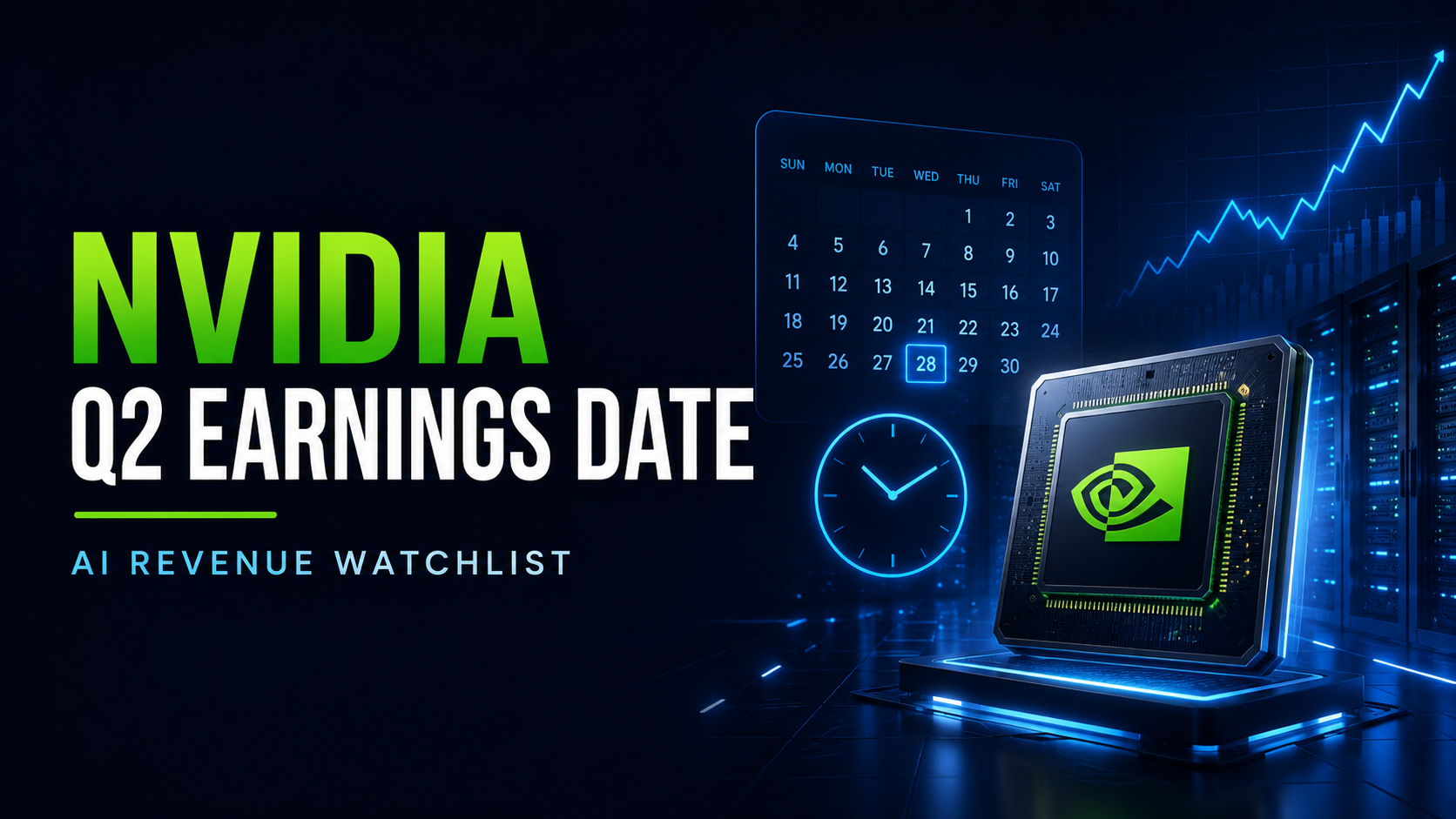
Nvidia FY2027 Q2 Earnings Date: Expected Report Time, Earnings Call, and AI Revenue Watchlist
Nvidia’s fiscal Q2 2027 earnings are expected to become one of the most important AI market events of the summer. Wall Street Horizon lists Nvidia’s next earnings date as Wednesday, August 26, 2026, a

RWA Perpetuals Hit $1.4T: Why Trading Is Exploding
RWA perpetuals are becoming one of the fastest-growing bridges between traditional markets and crypto-native trading. Recent industry analysis cited by MEXC indicates that onchain RWA perpetual activi


Related Articles
View More
What Is Concrete Crypto (CT)? CT Coin Tokenomics, Airdrop and How to Buy on MEXC
The Concrete crypto project runs on one simple idea: make a single deposit, and let curated strategies put it to work.Built by Blueprint Finance, Concrete runs ERC-4626 vaults that spread each deposit

What Is Anonymous Cat (ZCAT)? The Solana Meme Coin Paying ZEC
Most meme coins on Solana trade against SOL or a stablecoin.Anonymous Cat (ZCAT) trades against Zcash, and that single design choice defines the entire token.ZCAT is a Solana meme coin built on the Zc

What Is HAJIMI? Meaning, Contract Address, and How to Buy
哈基米 (HAJIMI) is a meme coin on BNB Chain built around one of the most widely shared cat memes in Chinese internet culture.The token has no whitepaper, no named founding team, and no technical roadmap.