Iran Delivers Latest Response to US on Peace Deal Terms: A Critical Turning Point
BitcoinWorld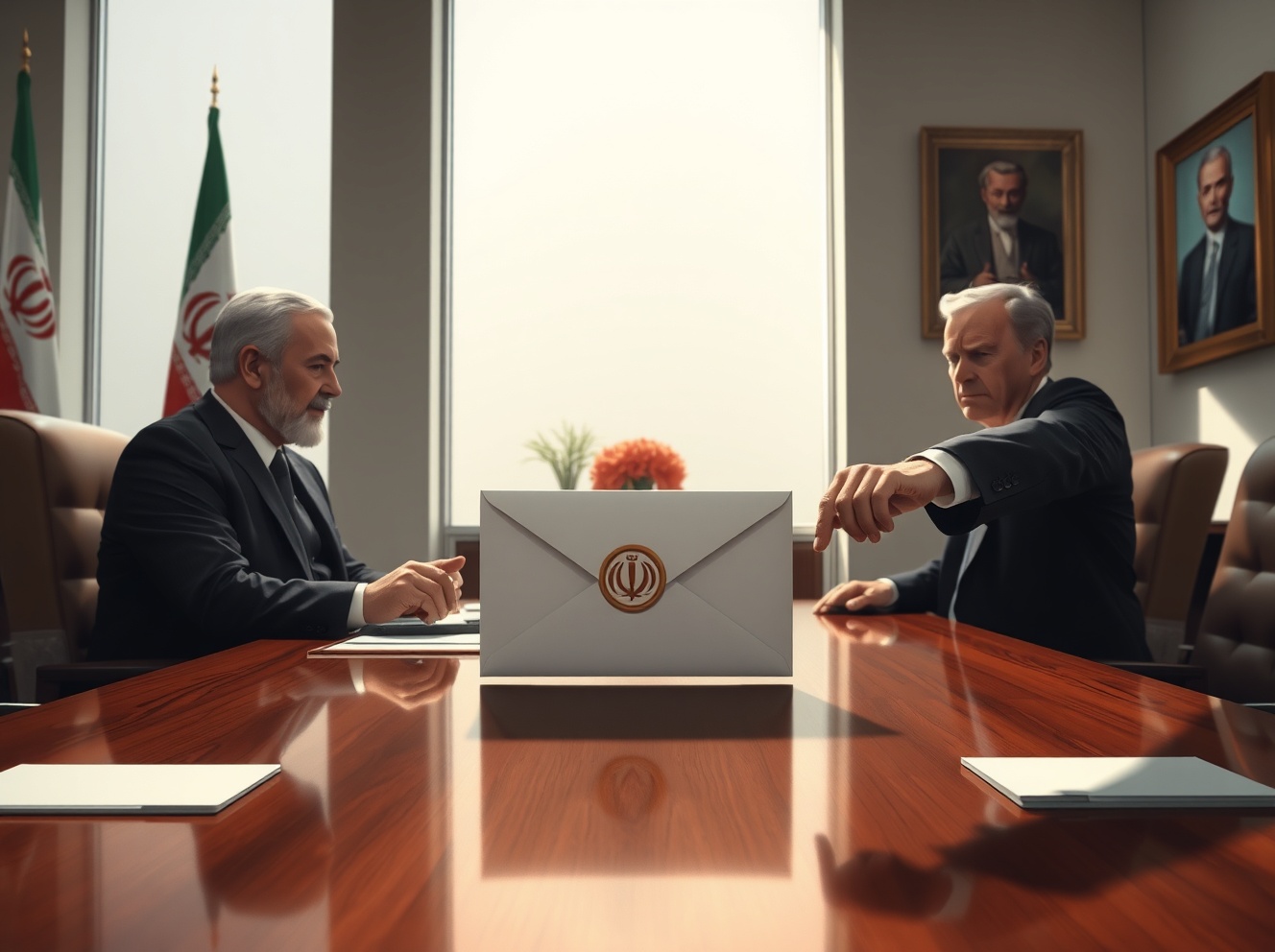
Iran Delivers Latest Response to US on Peace Deal Terms: A Critical Turning Point
Iran has delivered its latest response to the terms of a U.S. peace agreement, marking a critical moment in the ongoing diplomatic standoff between the two nations. A Pakistani official confirmed the development to CBS News, stating that Iranian representatives passed their formal reply to American officials through intermediary channels. This move signals a potential shift in negotiations that have remained stalled for months.
Iran Delivers Latest Response to US: What the Terms Include
The exact contents of Iran’s response remain confidential. However, sources familiar with the negotiations indicate that the document addresses key sticking points. These include uranium enrichment levels, sanctions relief, and regional security guarantees. The U.S. has demanded a complete halt to Iran’s 60% enrichment. Iran, in turn, seeks the removal of all nuclear-related sanctions. The latest response likely proposes a phased approach. Both sides would take incremental steps. This mirrors past negotiations under the Joint Comprehensive Plan of Action (JCPOA).
Pakistan’s role as a mediator is significant. It reflects a broader effort by regional powers to facilitate dialogue. Pakistan maintains diplomatic ties with both Iran and the U.S. This makes it a credible intermediary. The Pakistani official did not disclose the response’s timeline. But he confirmed that it was delivered in the past 48 hours.
Background: The Stalled US-Iran Peace Deal
The current peace deal talks began in April 2024. They aim to replace the collapsed 2015 JCPOA. The U.S. withdrew from that agreement in 2018. Iran then breached its commitments. By 2023, Iran enriched uranium to 60% purity. This is close to weapons-grade level. The International Atomic Energy Agency (IAEA) reported this. It raised global alarm. The U.S. imposed severe sanctions. Iran’s economy suffered. Inflation hit 40% in 2024. The regime faced domestic protests.
Talks in Vienna, Doha, and Muscat failed to produce a breakthrough. The main obstacle remains verification. Iran insists on inspections of its military sites. The U.S. refuses. The latest response may address this. It could propose a joint verification mechanism. This would involve IAEA and neutral experts.
Key Players and Their Stakes
Several actors have a direct stake in this peace deal. The table below summarizes their positions:
| Player | Stance | Key Demand |
|---|---|---|
| United States | Hardline on enrichment | Full cessation of 60% enrichment |
| Iran | Wants sanctions relief | Removal of all nuclear-related sanctions |
| Israel | Opposes any deal | Military action if enrichment continues |
| European Union | Supports diplomacy | Stronger IAEA inspections |
| Russia | Mediator role | Protection of its own interests in Iran |
| China | Economic partner | Access to Iranian oil |
Each player has leverage. The U.S. controls the global financial system. Iran controls the Strait of Hormuz. This chokepoint handles 20% of global oil. Any deal must balance these competing interests.
Expert Analysis: What Iran’s Response Means
Experts view Iran’s latest response as a tactical move. Dr. Fatima Alavi, a Middle East analyst at the Institute for Peace Studies, says, “Iran is testing U.S. resolve. It offers concessions on enrichment. But it demands concrete sanctions relief upfront. This is a classic negotiation tactic.”
Other analysts point to domestic pressure. Iran’s economy is under strain. The rial has lost 80% of its value since 2018. The regime needs a deal to stabilize prices. But hardliners oppose any compromise. Supreme Leader Ali Khamenei has final say. His recent speeches show openness to talks. But he insists on red lines. These include no inspections of military sites.
The U.S. faces its own pressures. President Biden seeks a foreign policy win. But Congress is divided. Republicans demand a tougher stance. Some Democrats want a swift deal. The 2024 election year adds urgency. A peace deal could boost Biden’s approval ratings.
Timeline of Key Events
- 2015: JCPOA signed between Iran and P5+1.
- 2018: U.S. withdraws; sanctions reimposed.
- 2020: Iran breaches enrichment limits.
- 2023: Iran reaches 60% enrichment.
- April 2024: New talks begin.
- December 2024: Talks stall over verification.
- January 2025: Pakistan mediates; Iran delivers latest response.
Impact on Global Markets and Security
The peace deal outcome affects global oil prices. A successful deal could increase Iranian oil exports. This would lower prices. Brent crude could drop to $70 per barrel. A failure could push prices above $100. This would hurt import-dependent nations. India and Japan are particularly vulnerable.
Security implications are equally significant. A deal would reduce the risk of a regional war. Israel has threatened preemptive strikes. Iran has warned of retaliation. The U.S. has deployed naval assets to the Gulf. Any miscalculation could escalate. The latest response offers a window for de-escalation.
Regional Reactions
Neighboring countries watch closely. Saudi Arabia supports the talks. It seeks stability for its Vision 2030 projects. The UAE also backs diplomacy. It wants to protect trade routes. Turkey remains neutral. It balances ties with both Iran and the U.S. Iraq and Afghanistan fear spillover violence. They rely on Iranian influence.
Pakistan’s role is crucial. It shares a border with Iran. It also has ties with the U.S. Its mediation could build trust. But Pakistan faces its own challenges. It has a fragile economy. It needs U.S. aid. This limits its leverage.
What Comes Next
The U.S. will now study Iran’s response. Official comments are expected within days. The U.S. State Department has not yet issued a statement. But insiders suggest a cautious approach. The U.S. may propose a follow-up meeting. This could happen in a neutral location. Oman or Switzerland are likely venues.
Iran’s next move depends on U.S. reaction. If the U.S. accepts the terms, talks will advance. If it rejects them, Iran may resume enrichment. This would trigger a crisis. The IAEA has warned that Iran could produce a nuclear bomb within weeks. This makes the current moment critical.
Conclusion
Iran delivers latest response to US on peace deal terms, presenting a potential breakthrough in the long-stalled negotiations. The response addresses key issues like enrichment and sanctions. But success hinges on trust and verification. The world watches as both sides weigh their options. A peaceful resolution would stabilize the Middle East. It would also lower oil prices and reduce war risks. Failure could lead to conflict. The coming days will determine the path forward. Diplomacy remains the best hope.
FAQs
Q1: What did Iran’s latest response to the US peace deal include?
A1: Iran’s response likely proposes a phased approach to enrichment and sanctions relief. It addresses verification issues but maintains red lines on military site inspections.
Q2: Why is Pakistan mediating between Iran and the US?
A2: Pakistan has diplomatic relations with both countries. It serves as a neutral intermediary to facilitate dialogue and reduce tensions.
Q3: What happens if the US rejects Iran’s response?
A3: If the US rejects it, Iran may resume enrichment to 90% weapons-grade. This could trigger Israeli airstrikes and a regional war.
Q4: How does the peace deal affect global oil prices?
A4: A successful deal could increase Iranian oil exports, lowering Brent crude to $70/barrel. Failure could push prices above $100/barrel.
Q5: What are the main obstacles to a final agreement?
A5: The main obstacles are verification of military sites, the pace of sanctions relief, and Iran’s demand for guaranteed trade access.
This post Iran Delivers Latest Response to US on Peace Deal Terms: A Critical Turning Point first appeared on BitcoinWorld.


You May Also Like

Unleashing A New Era Of Seller Empowerment
Pope sends clear message as Trump critics elevated to high-ranking posts