Coal supply agreement secures South Africa energy

The deal started on 1 April 2026 and secures coal from Exxaro’s Matla Mine to the Matla Power Station in Mpumalanga. This pact builds on a partnership that began in July 1983, spanning over 40 years.
The agreement supports South Africa’s energy security as Eskom needs stable baseload power while adding renewables. Exxaro CEO Ben Magara called it a key milestone. He noted Eskom’s recent investment in the Matla Life of Mine expansion, which boosts the mine’s long-term output.
Partnership Strengthens Grid Stability
Eskom Group CEO Dan Marokane praised the coal supply agreement as a major step forward. It brings predictability to coal flows at Matla Power Station, which forms a core part of Eskom’s generation fleet. The deal aids grid stability amid renewable growth.
The contract ties into Eskom’s Cost Optimisation and Revenue Enhancement programme. This targets efficiencies in energy procurement and streamlines supply chains. Eskom expects cost savings that help its financial recovery. The pact includes strict coal quality rules that raise combustion efficiency at the station.
Mpumalanga gains from the deal too. The mine anchors local jobs and economic activity while funding education, supplier growth, and infrastructure. Host communities benefit directly.
Coal’s Role in Energy Transition
Exxaro commits 9.3 million tons of coal yearly under the deal. Eskom finances a R5.2 billion expansion at Matla to ensure supply through 2043.
The coal supply agreement balances coal’s baseload role with green shifts. South Africa opens its grid for faster renewable uptake while reliable coal keeps operations steady. This supports industry and development needs.
Investors should watch closely. The deal signals Eskom’s turnaround and cuts risks in energy costs. Exxaro gains steady revenue while both firms eye extensions by mutual consent. For institutional players, this offers exposure to stable African energy assets. It hedges against geopolitical shocks while backing energy transitions.
The post Coal supply agreement secures South Africa energy appeared first on FurtherAfrica.


You May Also Like
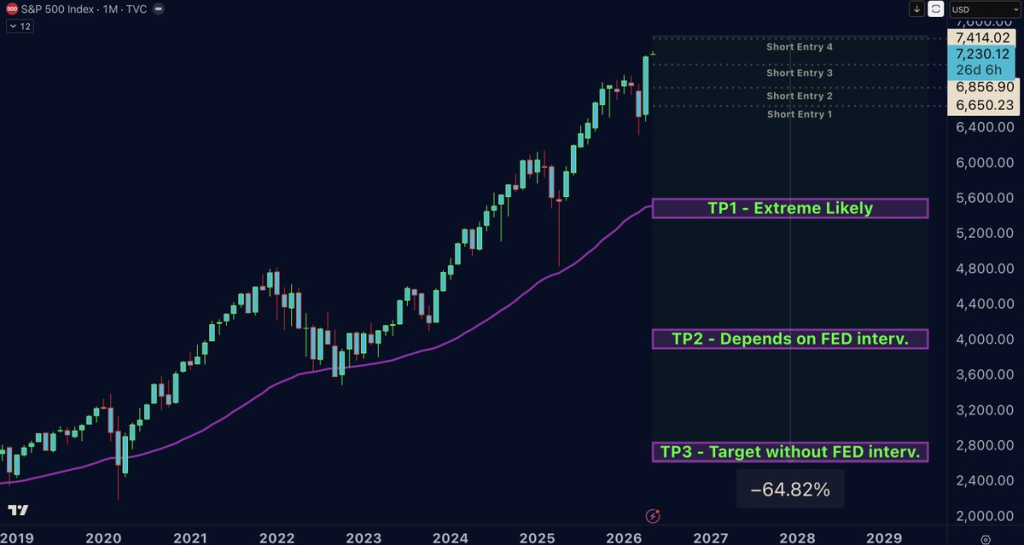
Why the Stock Market Is Going to Crash – Doctor Profit’s Warning

GOP lawmakers want nothing to do with Trump's ballroom chaos: report