Author: Haotian The Crypto + AI track hasn’t seen such exciting news for a long time: @GoKiteAI has received funding from global payment giant @PayPal Ventures and top VC @generalcatalyst The $18MA round of financing. Many people are confused and have been flooding the internet with questions, but most are still skeptical. Let me break it down: 1) Why does PayPal bet on KiteAI as the payment layer 1? Stripe previously announced its direct entry into the Layer 1 space, Tempo. Circle, after years of developing USDC, is planning its Layer 1, Arc. Now, PayPal has also entered the fray through its investment in Kite AI. The underlying logic can be summed up in one sentence: a battle for control of the next-generation payment infrastructure. Essentially, this exposes the "pipeline crisis" anxiety of these traditional payment giants. Their original business model was to earn the difference in transaction fees and interest on deposited funds. When a new cross-border species like stablecoins becomes popular, they must cater to the new trend and build a suitable payment system. The only difference is that Stripe and Circle chose to reinvent the wheel, while PayPal bet on KiteAI. 2) Why did PayPal enter the AI+ payment market? PayPal isn't solely focused on micropayments; instead, through KiteAI, it's integrating AI agents into new scenarios. This is because the pain points of micropayments aren't technically driven; traditional mobile payments are sufficient to support high-frequency microtransactions. However, if AI agents are to automate user payment needs, the logic is significantly different. An AI agent might call dozens of APIs per second, each of which incurs a fee. This will inevitably lead to a 24/7, fully automated micropayment network based on logic rather than emotion. Traditional payment giants understand this: when AI agents begin conducting autonomous transactions on a large scale, existing payment systems simply cannot sustain them. Think about it, a shopping agent has to complete price comparison, inventory confirmation, order payment in milliseconds. Each link involves micropayment and trust verification. How can the current centralized clearing system of Visa and Mastercard cope with it? Therefore, PayPal's bet on KiteAI is actually a double bet: it wants the next-generation Crypto payment infrastructure, and it wants the trillion-dollar new market of the AI Agent economy. 3) Why is it necessary to develop an AI layer 1? What are the advantages of KiteAI? While current public chain fee models are designed for high-value transactions, AI Agent microtransactions completely change the rules, generating a continuous, high-frequency, low-value transaction stream. Dozens of API calls can occur per second, hundreds of decisions can be made per minute, and tens of thousands of microtransactions can easily occur per day. This creates a vicious cycle: if the transaction value doesn’t cover the handling fee costs, the AI Agent economy concept won’t work. Even the cheapest layer 2 can easily paralyze the network when handling the concurrent micro-transactions of a large army of AI agents. In response to this, KiteAI has anchored the three major directions of identity, wallet, and rules in the AI Agent track, mainly to achieve AI Agents that are both autonomous and controllable. For example, if an AI Agent wants to perform a procurement task, its "Agent Passport" will limit the procurement scope and budget, while the "Wallet System" will support native batch micropayments, and the "Rule Engine" will support abnormal risk control detection and real-time interception. To put it simply, it redefines the infrastructure standards for AI agents. However, components alone are not enough; a consensus mechanism specifically adapted for AI is also needed: KiteAI's solution is to use a state channel system + PoAI consensus. On the one hand, massive micro-transactions are packaged and processed off-chain, and only settled on-chain at key nodes, which ensures efficiency and maintains decentralization; on the other hand, an economic incentive mechanism is built into the protocol layer. Whoever's data improves the model effect and whose service completes the task will be rewarded. 4) Why is Wall Street willing to invest in KiteAI? In fact, KiteAI's team configuration is very much in line with PayPal's appetite. Wall Street invests more in team configuration: @ChiZhangData, a Berkeley AI PhD, leads product development at Databricks. @scottshicsEinstein works on AI infrastructure and built a security analytics platform from scratch at Uber. Furthermore, key individuals from NASDAQ, PayPal, Ripple, and OpenAI can be found among the angel investor community. These individuals aren't pure crypto-native idealists; they're practical individuals who truly understand enterprise needs, compliance, and how to commercialize technology. In the current narrative window of targeting Wall Street, this setup is practically tailor-made for telling Wall Street stories. Think about it, General Catalyst, a top VC with $33 billion under management, invested in two rounds in a row because it was attracted by KiteAI's rare combination of "understanding both AI and payments."Author: Haotian The Crypto + AI track hasn’t seen such exciting news for a long time: @GoKiteAI has received funding from global payment giant @PayPal Ventures and top VC @generalcatalyst The $18MA round of financing. Many people are confused and have been flooding the internet with questions, but most are still skeptical. Let me break it down: 1) Why does PayPal bet on KiteAI as the payment layer 1? Stripe previously announced its direct entry into the Layer 1 space, Tempo. Circle, after years of developing USDC, is planning its Layer 1, Arc. Now, PayPal has also entered the fray through its investment in Kite AI. The underlying logic can be summed up in one sentence: a battle for control of the next-generation payment infrastructure. Essentially, this exposes the "pipeline crisis" anxiety of these traditional payment giants. Their original business model was to earn the difference in transaction fees and interest on deposited funds. When a new cross-border species like stablecoins becomes popular, they must cater to the new trend and build a suitable payment system. The only difference is that Stripe and Circle chose to reinvent the wheel, while PayPal bet on KiteAI. 2) Why did PayPal enter the AI+ payment market? PayPal isn't solely focused on micropayments; instead, through KiteAI, it's integrating AI agents into new scenarios. This is because the pain points of micropayments aren't technically driven; traditional mobile payments are sufficient to support high-frequency microtransactions. However, if AI agents are to automate user payment needs, the logic is significantly different. An AI agent might call dozens of APIs per second, each of which incurs a fee. This will inevitably lead to a 24/7, fully automated micropayment network based on logic rather than emotion. Traditional payment giants understand this: when AI agents begin conducting autonomous transactions on a large scale, existing payment systems simply cannot sustain them. Think about it, a shopping agent has to complete price comparison, inventory confirmation, order payment in milliseconds. Each link involves micropayment and trust verification. How can the current centralized clearing system of Visa and Mastercard cope with it? Therefore, PayPal's bet on KiteAI is actually a double bet: it wants the next-generation Crypto payment infrastructure, and it wants the trillion-dollar new market of the AI Agent economy. 3) Why is it necessary to develop an AI layer 1? What are the advantages of KiteAI? While current public chain fee models are designed for high-value transactions, AI Agent microtransactions completely change the rules, generating a continuous, high-frequency, low-value transaction stream. Dozens of API calls can occur per second, hundreds of decisions can be made per minute, and tens of thousands of microtransactions can easily occur per day. This creates a vicious cycle: if the transaction value doesn’t cover the handling fee costs, the AI Agent economy concept won’t work. Even the cheapest layer 2 can easily paralyze the network when handling the concurrent micro-transactions of a large army of AI agents. In response to this, KiteAI has anchored the three major directions of identity, wallet, and rules in the AI Agent track, mainly to achieve AI Agents that are both autonomous and controllable. For example, if an AI Agent wants to perform a procurement task, its "Agent Passport" will limit the procurement scope and budget, while the "Wallet System" will support native batch micropayments, and the "Rule Engine" will support abnormal risk control detection and real-time interception. To put it simply, it redefines the infrastructure standards for AI agents. However, components alone are not enough; a consensus mechanism specifically adapted for AI is also needed: KiteAI's solution is to use a state channel system + PoAI consensus. On the one hand, massive micro-transactions are packaged and processed off-chain, and only settled on-chain at key nodes, which ensures efficiency and maintains decentralization; on the other hand, an economic incentive mechanism is built into the protocol layer. Whoever's data improves the model effect and whose service completes the task will be rewarded. 4) Why is Wall Street willing to invest in KiteAI? In fact, KiteAI's team configuration is very much in line with PayPal's appetite. Wall Street invests more in team configuration: @ChiZhangData, a Berkeley AI PhD, leads product development at Databricks. @scottshicsEinstein works on AI infrastructure and built a security analytics platform from scratch at Uber. Furthermore, key individuals from NASDAQ, PayPal, Ripple, and OpenAI can be found among the angel investor community. These individuals aren't pure crypto-native idealists; they're practical individuals who truly understand enterprise needs, compliance, and how to commercialize technology. In the current narrative window of targeting Wall Street, this setup is practically tailor-made for telling Wall Street stories. Think about it, General Catalyst, a top VC with $33 billion under management, invested in two rounds in a row because it was attracted by KiteAI's rare combination of "understanding both AI and payments."

Why does PayPal bet on Kite AI as payment layer 1 instead of reinventing the wheel?

2025/09/05 20:00

Author: Haotian

The Crypto + AI track hasn’t seen such exciting news for a long time: @GoKiteAI has received funding from global payment giant @PayPal Ventures and top VC @generalcatalyst

The $18MA round of financing. Many people are confused and have been flooding the internet with questions, but most are still skeptical. Let me break it down:

1) Why does PayPal bet on KiteAI as the payment layer 1?

Stripe previously announced its direct entry into the Layer 1 space, Tempo. Circle, after years of developing USDC, is planning its Layer 1, Arc. Now, PayPal has also entered the fray through its investment in Kite AI. The underlying logic can be summed up in one sentence: a battle for control of the next-generation payment infrastructure.

Essentially, this exposes the "pipeline crisis" anxiety of these traditional payment giants. Their original business model was to earn the difference in transaction fees and interest on deposited funds. When a new cross-border species like stablecoins becomes popular, they must cater to the new trend and build a suitable payment system.

The only difference is that Stripe and Circle chose to reinvent the wheel, while PayPal bet on KiteAI.

2) Why did PayPal enter the AI+ payment market?

PayPal isn't solely focused on micropayments; instead, through KiteAI, it's integrating AI agents into new scenarios. This is because the pain points of micropayments aren't technically driven; traditional mobile payments are sufficient to support high-frequency microtransactions. However, if AI agents are to automate user payment needs, the logic is significantly different.

An AI agent might call dozens of APIs per second, each of which incurs a fee. This will inevitably lead to a 24/7, fully automated micropayment network based on logic rather than emotion. Traditional payment giants understand this: when AI agents begin conducting autonomous transactions on a large scale, existing payment systems simply cannot sustain them.

Think about it, a shopping agent has to complete price comparison, inventory confirmation, order payment in milliseconds. Each link involves micropayment and trust verification. How can the current centralized clearing system of Visa and Mastercard cope with it?

Therefore, PayPal's bet on KiteAI is actually a double bet: it wants the next-generation Crypto payment infrastructure, and it wants the trillion-dollar new market of the AI Agent economy.

3) Why is it necessary to develop an AI layer 1? What are the advantages of KiteAI?

While current public chain fee models are designed for high-value transactions, AI Agent microtransactions completely change the rules, generating a continuous, high-frequency, low-value transaction stream. Dozens of API calls can occur per second, hundreds of decisions can be made per minute, and tens of thousands of microtransactions can easily occur per day.

This creates a vicious cycle: if the transaction value doesn’t cover the handling fee costs, the AI Agent economy concept won’t work. Even the cheapest layer 2 can easily paralyze the network when handling the concurrent micro-transactions of a large army of AI agents.

In response to this, KiteAI has anchored the three major directions of identity, wallet, and rules in the AI Agent track, mainly to achieve AI Agents that are both autonomous and controllable.

For example, if an AI Agent wants to perform a procurement task, its "Agent Passport" will limit the procurement scope and budget, while the "Wallet System" will support native batch micropayments, and the "Rule Engine" will support abnormal risk control detection and real-time interception.

To put it simply, it redefines the infrastructure standards for AI agents. However, components alone are not enough; a consensus mechanism specifically adapted for AI is also needed: KiteAI's solution is to use a state channel system + PoAI consensus.

On the one hand, massive micro-transactions are packaged and processed off-chain, and only settled on-chain at key nodes, which ensures efficiency and maintains decentralization; on the other hand, an economic incentive mechanism is built into the protocol layer. Whoever's data improves the model effect and whose service completes the task will be rewarded.

4) Why is Wall Street willing to invest in KiteAI?

In fact, KiteAI's team configuration is very much in line with PayPal's appetite. Wall Street invests more in team configuration:

@ChiZhangData, a Berkeley AI PhD, leads product development at Databricks. @scottshicsEinstein works on AI infrastructure and built a security analytics platform from scratch at Uber. Furthermore, key individuals from NASDAQ, PayPal, Ripple, and OpenAI can be found among the angel investor community.

These individuals aren't pure crypto-native idealists; they're practical individuals who truly understand enterprise needs, compliance, and how to commercialize technology. In the current narrative window of targeting Wall Street, this setup is practically tailor-made for telling Wall Street stories.

Think about it, General Catalyst, a top VC with $33 billion under management, invested in two rounds in a row because it was attracted by KiteAI's rare combination of "understanding both AI and payments."

Market Opportunity
Threshold Logo
Threshold Price(T)
$0.008606
$0.008606$0.008606
+1.42%
USD
Threshold (T) Live Price Chart
Disclaimer: The articles reposted on this site are sourced from public platforms and are provided for informational purposes only. They do not necessarily reflect the views of MEXC. All rights remain with the original authors. If you believe any content infringes on third-party rights, please contact [email protected] for removal. MEXC makes no guarantees regarding the accuracy, completeness, or timeliness of the content and is not responsible for any actions taken based on the information provided. The content does not constitute financial, legal, or other professional advice, nor should it be considered a recommendation or endorsement by MEXC.

You May Also Like

Momentum Check: Can XDC Network Charge Back to Its Recent Highs, or Is a Pullback in Play?

Momentum Check: Can XDC Network Charge Back to Its Recent Highs, or Is a Pullback in Play?

The crypto market’s prolonged bearish fear is gaining more traction day by day, which has pulled down the total market cap toward $2.95 trillion. Meanwhile, most
Share
Thenewscrypto2025/12/27 15:21
Ondo Plans Tokenized U.S. Stocks and ETFs on Solana in 2026 After Low-Slippage Tests
Ondo Plans Tokenized U.S. Stocks and ETFs on Solana in 2026 After Low-Slippage Tests

The post Ondo Plans Tokenized U.S. Stocks and ETFs on Solana in 2026 After Low-Slippage Tests appeared on BitcoinEthereumNews.com. Ondo Finance plans to launch
Share
BitcoinEthereumNews2025/12/27 19:39
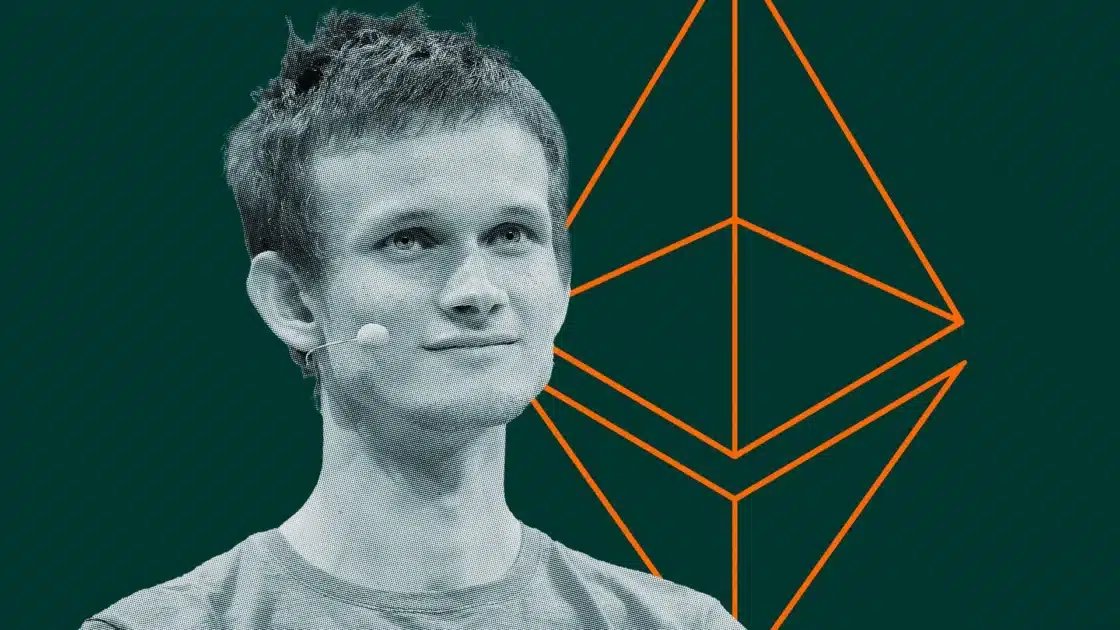
Vitalik Buterin Reveals Ethereum’s Bold Plan to Stay Quantum-Secure and Simple!

Vitalik Buterin Reveals Ethereum’s Bold Plan to Stay Quantum-Secure and Simple!

Buterin unveils Ethereum’s strategy to tackle quantum security challenges ahead. Ethereum focuses on simplifying architecture while boosting security for users. Ethereum’s market stability grows as Buterin’s roadmap gains investor confidence. Ethereum founder Vitalik Buterin has unveiled his long-term vision for the blockchain, focusing on making Ethereum quantum-secure while maintaining its simplicity for users. Buterin presented his roadmap at the Japanese Developer Conference, and splits the future of Ethereum into three phases: short-term, mid-term, and long-term. Buterin’s most ambitious goal for Ethereum is to safeguard the blockchain against the threats posed by quantum computing.  The danger of such future developments is that the future may call into question the cryptographic security of most blockchain systems, and Ethereum will be able to remain ahead thanks to more sophisticated mathematical techniques to ensure the safety and integrity of its protocols. Buterin is committed to ensuring that Ethereum evolves in a way that not only meets today’s security challenges but also prepares for the unknowns of tomorrow. Also Read: Ethereum Giant The Ether Machine Takes Major Step Toward Going Public! However, in spite of such high ambitions, Buterin insisted that Ethereum also needed to simplify its architecture. An important aspect of this vision is to remove unnecessary complexity and make Ethereum more accessible and maintainable without losing its strong security capabilities. Security and simplicity form the core of Buterin’s strategy, as they guarantee that the users of Ethereum experience both security and smooth processes. Focus on Speed and Efficiency in the Short-Term In the short term, Buterin aims to enhance Ethereum’s transaction efficiency, a crucial step toward improving scalability and reducing transaction costs. These advantages are attributed to the fact that, within the mid-term, Ethereum is planning to enhance the speed of transactions in layer-2 networks. According to Butterin, this is part of Ethereum’s expansion, particularly because there is still more need to use blockchain technology to date. The other important aspect of Ethereum’s development is the layer-2 solutions. Buterin supports an approach in which the layer-2 networks are dependent on layer-1 to perform some essential tasks like data security, proof, and censorship resistance. This will enable the layer-2 systems of Ethereum to be concerned with verifying and sequencing transactions, which will improve the overall speed and efficiency of the network. Ethereum’s Market Stability Reflects Confidence in Long-Term Strategy Ethereum’s market performance has remained solid, with the cryptocurrency holding steady above $4,000. Currently priced at $4,492.15, Ethereum has experienced a slight 0.93% increase over the last 24 hours, while its trading volume surged by 8.72%, reaching $34.14 billion. These figures point to growing investor confidence in Ethereum’s long-term vision. The crypto community remains optimistic about Ethereum’s future, with many predicting the price could rise to $5,500 by mid-October. Buterin’s clear, forward-thinking strategy continues to build trust in Ethereum as one of the most secure and scalable blockchain platforms in the market. Also Read: Whales Dump 200 Million XRP in Just 2 Weeks – Is XRP’s Price on the Verge of Collapse? The post Vitalik Buterin Reveals Ethereum’s Bold Plan to Stay Quantum-Secure and Simple! appeared first on 36Crypto.
Share
Coinstats2025/09/18 01:22