- US Senate releases crypto market structure draft bill.
- Bill targets digital commodities and stablecoins.
- Bipartisan discussions focus on financial regulations.
 US Senate Crypto Market Structure Draft Bill
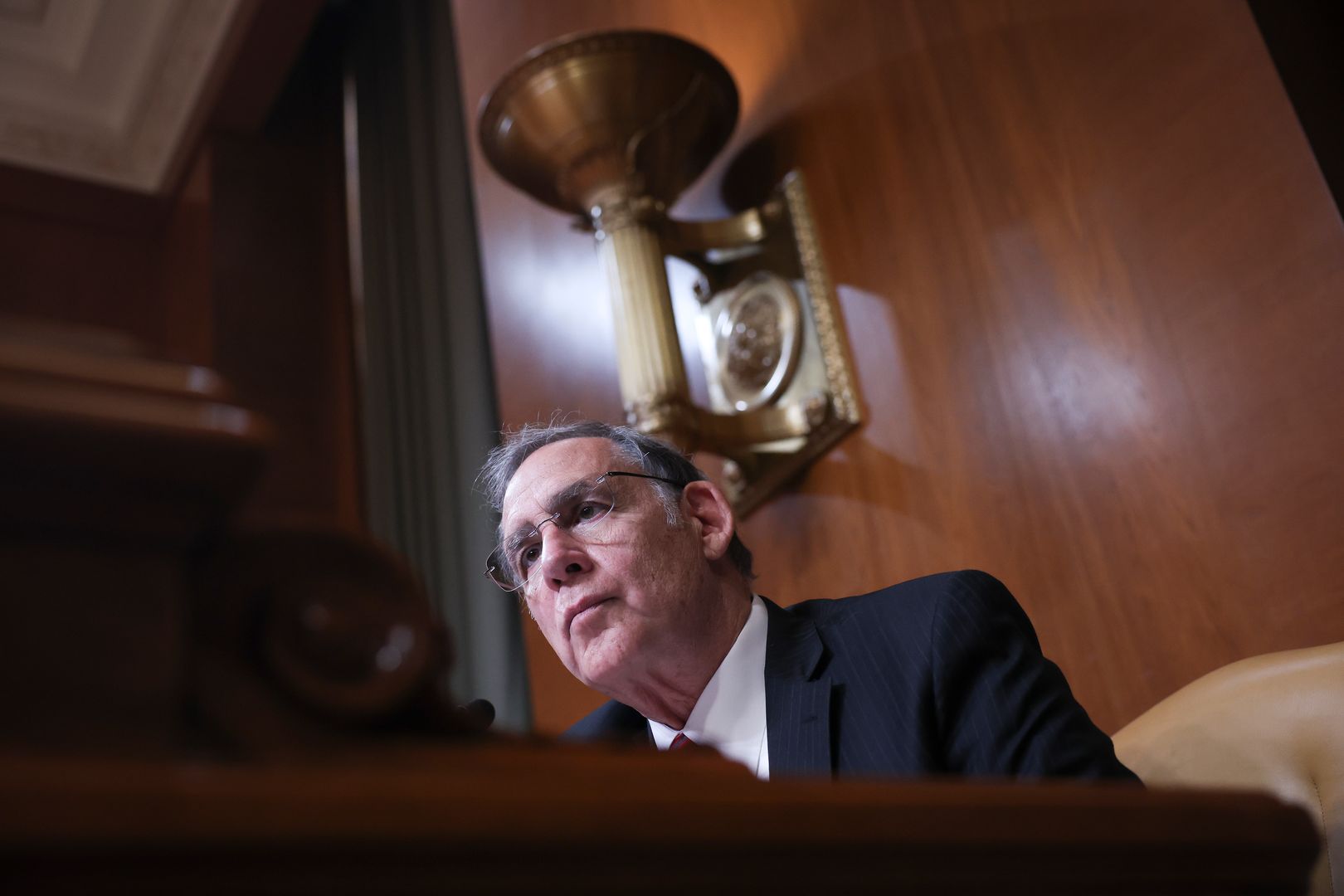
The US Senate, led by key figures including Senate Agriculture Chair John Boozman and Senate Banking Chair Tim Scott, has introduced a draft bill for cryptocurrency market structure regulation.
This legislative move could reshape the handling of digital commodities and stablecoins, potentially impacting market participants and financial institutions’ operations.
The US Senate has introduced a draft bill targeting the structure of the crypto market. This comes amid ongoing bipartisan discussions led by Chair John Boozman to address the legislative needs of the digital assets industry. He mentioned, “We are delaying the markup to allow for bipartisan discussions on the legislation.”
The bill aims to regulate digital commodities and permitted payment stablecoins. Key senators involved are John Boozman and Tim Scott, who are actively engaging in bipartisan talks on critical economic policy issues related to this sector.
The immediate impact of the bill focuses on the regulation of digital asset markets and entities involved. This includes trading platforms and stablecoin issuers, potentially affecting the operational frameworks of these sectors.
Financial implications include potential shifts in how digital commodities are traded and regulated. The legislation could influence existing financial practices, emphasizing oversight of stablecoin growth amid concerns from institutions like the Bank Policy Institute.
The draft bill aims to prevent bank deposit displacement, enhancing economic stability. It supports comprehensive crypto regulations, addressing previous concerns under the GENIUS Act. This could shape future regulatory environments and stabilize crypto-related market activities.
The introduction of this bill heralds potential changes in the regulatory landscape. Historical trends suggest that regulatory clarity could drive market adoption and compliance. This aligns with efforts to ensure safer and more transparent crypto asset governance.