Clanker đang làm mưa làm gió thị trường crypto. Tại sao bạn không nên chỉ đứng nhìn? Bài viết phân [...] The post Đừng Chỉ Nghe, Hãy Tự Kiểm Chứng: Tại Sao Bạn Phải Tự Tay Test “Clanker” Và Làn Sóng AI Agent Ngay Bây Giờ? appeared first on VNECONOMICS.Clanker đang làm mưa làm gió thị trường crypto. Tại sao bạn không nên chỉ đứng nhìn? Bài viết phân [...] The post Đừng Chỉ Nghe, Hãy Tự Kiểm Chứng: Tại Sao Bạn Phải Tự Tay Test “Clanker” Và Làn Sóng AI Agent Ngay Bây Giờ? appeared first on VNECONOMICS.

Đừng Chỉ Nghe, Hãy Tự Kiểm Chứng: Tại Sao Bạn Phải Tự Tay Test “Clanker” Và Làn Sóng AI Agent Ngay Bây Giờ?

Clanker đang làm mưa làm gió thị trường crypto. Tại sao bạn không nên chỉ đứng nhìn? Bài viết phân tích hiện tượng AI Agent và cách sử dụng Bitget để đón đầu xu hướng công nghệ mới này.

Trong thế giới tiền điện tử, có một quy tắc bất thành văn: “Don’t Trust, Verify” (Đừng tin, hãy kiểm chứng). Gần đây, một câu nói đang lan truyền trong cộng đồng những người săn tìm cơ hội sớm (Alpha seekers): “Just test how the clanker works yourself” (Tạm dịch: Hãy tự mình test xem Clanker hoạt động thế nào đi).

Đó không chỉ là một lời khuyên, đó là một lời thách thức. Clanker – đại diện cho làn sóng AI Agent (Tác nhân AI) tạo ra token – đang thay đổi cách thị trường vận hành. Nhưng để hiểu được nó, bạn không thể chỉ đọc tin tức. Bạn phải nhúng tay vào.

Tại sao việc tự mình trải nghiệm lại quan trọng đến thế, và Bitget đóng vai trò gì trong cuộc cách mạng này? Hãy cùng phân tích.

1. Clanker và Kỷ Nguyên Của “AI Tự Chủ” (Autonomous AI)

Đầu tiên, Clanker không chỉ là một con bot. Nó là biểu tượng cho sự chuyển dịch từ SocialFi sang AI-Fi.

Trước đây, để tạo ra một đồng coin, bạn cần một đội ngũ dev, một trang web, và marketing. Với Clanker (và các AI Agent tương tự trên Base hay Solana), rào cản đó đã bị xóa bỏ. Người dùng chỉ cần tương tác, và AI sẽ tự động triển khai hợp đồng thông minh, tạo thanh khoản và vận hành token.

Khi ai đó nói “Hãy tự test Clanker”, họ muốn bạn chứng kiến khoảnh khắc công nghệ và tài chính hòa làm một. Đó là sự hỗn loạn, tốc độ, nhưng cũng là nơi sản sinh ra những cơ hội nhân tài khoản (x100) mà thị trường truyền thống không thể có.

2. Tại Sao Bạn Phải “Tự Tay” Trải Nghiệm? (Skin in the Game)

Trong thị trường Crypto năm 2025, lý thuyết là vô nghĩa nếu thiếu thực hành.

  • Cảm nhận tốc độ: Bạn sẽ không hiểu được tốc độ của dòng tiền on-chain cho đến khi bạn thực sự thực hiện một giao dịch (swap) token vừa được AI tạo ra cách đây 5 phút.
  • Hiểu về rủi ro và cơ hội: Chỉ khi tự mình tương tác, bạn mới hiểu được rủi ro của trượt giá (slippage), rủi ro rug-pull, và cảm giác phấn khích khi tìm được một “gem” sớm.
  • Kiểm chứng công nghệ: AI có thực sự thông minh? Hay nó chỉ là một đoạn code ngẫu nhiên? Việc tự test giúp bạn đánh giá năng lực thực sự của dự án thay vì nghe theo KOL.

3. Bitget: “Vũ Khí” Tối Thượng Để Chinh Phục Làn Sóng AI

Bạn muốn test Clanker? Bạn muốn săn những token AI mới nhất? Bạn cần một công cụ mạnh mẽ. Bitget chính là hệ sinh thái toàn diện giúp bạn làm điều đó an toàn và hiệu quả nhất.

Bitget Wallet: Cổng kết nối Web3 mượt mà nhất

Để tương tác với các AI Agent như Clanker (thường hoạt động trên các chain như Base, Solana), bạn cần một ví Web3 đỉnh cao. Bitget Wallet cho phép bạn:

  • Kết nối tức thì: Truy cập các DApp và giao thức AI chỉ trong 1 chạm.
  • Săn token sớm: Tính năng Swap thông minh giúp bạn mua được các token AI ngay khi chúng vừa ra mắt (sniping) với mức trượt giá tối ưu.

Bitget Onchain: Giao dịch không rào cản

Với tầm nhìn UEX (Sàn Giao Dịch Đa Năng), Bitget đã tích hợp sâu dữ liệu on-chain. Bạn có thể theo dõi dòng tiền đổ vào các token hệ AI ngay trên giao diện sàn, giúp việc ra quyết định nhanh hơn đối thủ.

GetAgent: AI Đối Đầu AI

Nếu Clanker là AI giúp tạo ra token, thì Bitget GetAgent là AI giúp bạn giao dịch chúng.

  • Bạn không biết phân tích token này có an toàn không? Hãy hỏi GetAgent.
  • Bạn muốn tìm điểm vào lệnh tốt nhất? GetAgent sẽ phân tích dữ liệu thời gian thực cho bạn.

Sử dụng AI (GetAgent) để chiến thắng trong cuộc chơi của AI (Clanker) chính là chiến lược thông minh nhất năm 2025.

4. Kết Luận: Đừng Làm Khán Giả, Hãy Là Người Tham Gia

Thị trường không chờ đợi ai. Những khái niệm như Clanker, AI Agent hay Tokenized Assets đang định hình lại tương lai tài chính.

Lời khuyên “Just test how the clanker works yourself” chính là lời nhắc nhở: Kiến thức thực sự đến từ trải nghiệm. Đừng để nỗi sợ kỹ thuật ngăn cản bạn.

Hãy bắt đầu ngay hôm nay. Tải Bitget Wallet, nạp một chút phí gas, và tự mình bước vào thế giới AI. Khi bạn đã sẵn sàng, hệ sinh thái Bitget sẽ ở đó để cung cấp thanh khoản và công cụ giúp bạn tối ưu hóa lợi nhuận.

👉 Bắt đầu hành trình khám phá AI Trading cùng Bitget tại đây

The post Đừng Chỉ Nghe, Hãy Tự Kiểm Chứng: Tại Sao Bạn Phải Tự Tay Test “Clanker” Và Làn Sóng AI Agent Ngay Bây Giờ? appeared first on VNECONOMICS.

Market Opportunity
tokenbot Logo
tokenbot Price(CLANKER)
$30.51
$30.51$30.51
-0.32%
USD
tokenbot (CLANKER) Live Price Chart
Disclaimer: The articles reposted on this site are sourced from public platforms and are provided for informational purposes only. They do not necessarily reflect the views of MEXC. All rights remain with the original authors. If you believe any content infringes on third-party rights, please contact [email protected] for removal. MEXC makes no guarantees regarding the accuracy, completeness, or timeliness of the content and is not responsible for any actions taken based on the information provided. The content does not constitute financial, legal, or other professional advice, nor should it be considered a recommendation or endorsement by MEXC.

You May Also Like

Here’s How Consumers May Benefit From Lower Interest Rates

Here’s How Consumers May Benefit From Lower Interest Rates

The post Here’s How Consumers May Benefit From Lower Interest Rates appeared on BitcoinEthereumNews.com. Topline The Federal Reserve on Wednesday opted to ease interest rates for the first time in months, leading the way for potentially lower mortgage rates, bond yields and a likely boost to cryptocurrency over the coming weeks. Average long-term mortgage rates dropped to their lowest levels in months ahead of the central bank’s policy shift. Copyright{2018} The Associated Press. All rights reserved. Key Facts The central bank’s policymaking panel voted this week to lower interest rates, which have sat between 4.25% and 4.5% since December, to a new range of 4% and 4.25%. How Will Lower Interest Rates Impact Mortgage Rates? Mortgage rates tend to fall before and during a period of interest rate cuts: The average 30-year fixed-rate mortgage dropped to 6.35% from 6.5% last week, the lowest level since October 2024, mortgage buyer Freddie Mac reported. Borrowing costs on 15-year fixed-rate mortgages also dropped to 5.5% from 5.6% as they neared the year-ago rate of 5.27%. When the Federal Reserve lowered the funds rate to between 0% and 0.25% during the pandemic, 30-year mortgage rates hit record lows between 2.7% and 3% by the end of 2020, according to data published by Freddie Mac. Consumers who refinanced their mortgages in 2020 saved about $5.3 billion annually as rates dropped, according to the Consumer Financial Protection Bureau. Similarly, mortgage rates spiked around 7% as interest rates were hiked in 2022 and 2023, though mortgage rates appeared to react within weeks of the Fed opting to cut or raise rates. How Do Treasury Bonds Respond To Lower Interest Rates? Long-term Treasury yields are more directly influenced by interest rates, as lower rates tend to result in lower yields. When the Fed pushed rates to near zero during the pandemic, 10-year Treasury yields fell to an all-time low of 0.5%. As…
Share
BitcoinEthereumNews2025/09/18 05:59
Two new wallets withdrew 26,241 ZEC from Binance within 12 hours, worth $13.5 million.
Two new wallets withdrew 26,241 ZEC from Binance within 12 hours, worth $13.5 million.

PANews reported on December 28 that, according to Lookonchain monitoring, two newly created wallets withdrew 26,241 ZEC (US$13.5 million) from Binance in the past
Share
PANews2025/12/28 09:13
Crucial ETH Unstaking Period: Vitalik Buterin’s Unwavering Defense for Network Security

Crucial ETH Unstaking Period: Vitalik Buterin’s Unwavering Defense for Network Security

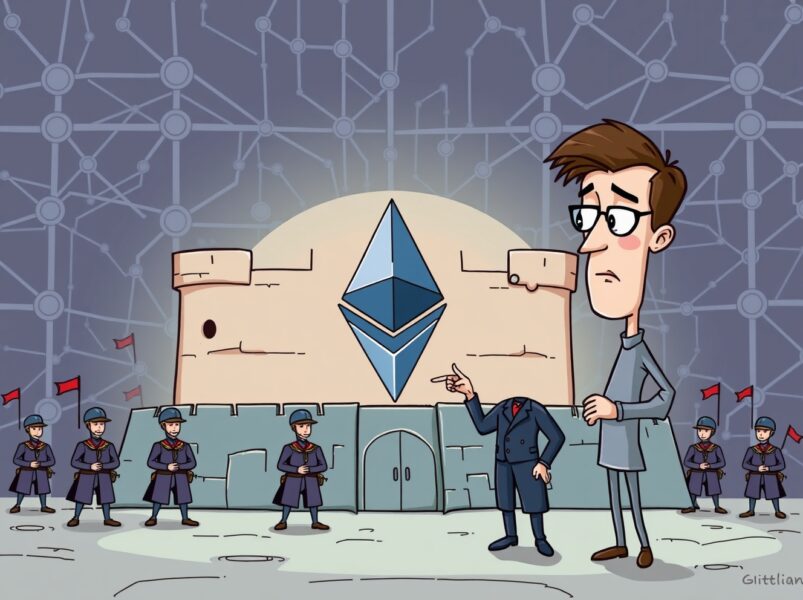
BitcoinWorld Crucial ETH Unstaking Period: Vitalik Buterin’s Unwavering Defense for Network Security Ever wondered why withdrawing your staked Ethereum (ETH) isn’t an instant process? It’s a question that often sparks debate within the crypto community. Ethereum founder Vitalik Buterin recently stepped forward to defend the network’s approximately 45-day ETH unstaking period, asserting its crucial role in safeguarding the network’s integrity. This lengthy waiting time, while sometimes seen as an inconvenience, is a deliberate design choice with profound implications for security. Why is the ETH Unstaking Period a Vital Security Measure? Vitalik Buterin’s defense comes amidst comparisons to other networks, like Solana, which boast significantly shorter unstaking times. He drew a compelling parallel to military operations, explaining that an army cannot function effectively if its soldiers can simply abandon their posts at a moment’s notice. Similarly, a blockchain network requires a stable and committed validator set to maintain its security. The current ETH unstaking period isn’t merely an arbitrary delay. It acts as a critical buffer, providing the network with sufficient time to detect and respond to potential malicious activities. If validators could instantly exit, it would open doors for sophisticated attacks, jeopardizing the entire system. Currently, Ethereum boasts over one million active validators, collectively staking approximately 35.6 million ETH, representing about 30% of the total supply. This massive commitment underpins the network’s robust security model, and the unstaking period helps preserve this stability. Network Security: Ethereum’s Paramount Concern A shorter ETH unstaking period might seem appealing for liquidity, but it introduces significant risks. Imagine a scenario where a large number of validators, potentially colluding, could quickly withdraw their stake after committing a malicious act. Without a substantial delay, the network would have limited time to penalize them or mitigate the damage. This “exit queue” mechanism is designed to prevent sudden validator exodus, which could lead to: Reduced decentralization: A rapid drop in active validators could concentrate power among fewer participants. Increased vulnerability to attacks: A smaller, less stable validator set is easier to compromise. Network instability: Frequent and unpredictable changes in validator numbers can lead to performance issues and consensus failures. Therefore, the extended period is not a bug; it’s a feature. It’s a calculated trade-off between immediate liquidity for stakers and the foundational security of the entire Ethereum ecosystem. Ethereum vs. Solana: Different Approaches to Unstaking When discussing the ETH unstaking period, many point to networks like Solana, which offers a much quicker two-day unstaking process. While this might seem like an advantage for stakers seeking rapid access to their funds, it reflects fundamental differences in network architecture and security philosophies. Solana’s design prioritizes speed and immediate liquidity, often relying on different consensus mechanisms and validator economics to manage security risks. Ethereum, on the other hand, with its proof-of-stake evolution from proof-of-work, has adopted a more cautious approach to ensure its transition and long-term stability are uncompromised. Each network makes design choices based on its unique goals and threat models. Ethereum’s substantial value and its role as a foundational layer for countless dApps necessitate an extremely robust security posture, making the current unstaking duration a deliberate and necessary component. What Does the ETH Unstaking Period Mean for Stakers? For individuals and institutions staking ETH, understanding the ETH unstaking period is crucial for managing expectations and investment strategies. It means that while staking offers attractive rewards, it also comes with a commitment to the network’s long-term health. Here are key considerations for stakers: Liquidity Planning: Stakers should view their staked ETH as a longer-term commitment, not immediately liquid capital. Risk Management: The delay inherently reduces the ability to react quickly to market volatility with staked assets. Network Contribution: By participating, stakers contribute directly to the security and decentralization of Ethereum, reinforcing its value proposition. While the current waiting period may not be “optimal” in every sense, as Buterin acknowledged, simply shortening it without addressing the underlying security implications would be a dangerous gamble for the network’s reliability. In conclusion, Vitalik Buterin’s defense of the lengthy ETH unstaking period underscores a fundamental principle: network security cannot be compromised for the sake of convenience. It is a vital mechanism that protects Ethereum’s integrity, ensuring its stability and trustworthiness as a leading blockchain platform. This deliberate design choice, while requiring patience from stakers, ultimately fortifies the entire ecosystem against potential threats, paving the way for a more secure and reliable decentralized future. Frequently Asked Questions (FAQs) Q1: What is the main reason for Ethereum’s long unstaking period? A1: The primary reason is network security. A lengthy ETH unstaking period prevents malicious actors from quickly withdrawing their stake after an attack, giving the network time to detect and penalize them, thus maintaining stability and integrity. Q2: How long is the current ETH unstaking period? A2: The current ETH unstaking period is approximately 45 days. This duration can fluctuate based on network conditions and the number of validators in the exit queue. Q3: How does Ethereum’s unstaking period compare to other blockchains? A3: Ethereum’s unstaking period is notably longer than some other networks, such as Solana, which has a two-day period. This difference reflects varying network architectures and security priorities. Q4: Does the unstaking period affect ETH stakers? A4: Yes, it means stakers need to plan their liquidity carefully, as their staked ETH is not immediately accessible. It encourages a longer-term commitment to the network, aligning staker interests with Ethereum’s stability. Q5: Could the ETH unstaking period be shortened in the future? A5: While Vitalik Buterin acknowledged the current period might not be “optimal,” any significant shortening would likely require extensive research and network upgrades to ensure security isn’t compromised. For now, the focus remains on maintaining robust network defenses. Found this article insightful? Share it with your friends and fellow crypto enthusiasts on social media to spread awareness about the critical role of the ETH unstaking period in Ethereum’s security! To learn more about the latest Ethereum trends, explore our article on key developments shaping Ethereum’s institutional adoption. This post Crucial ETH Unstaking Period: Vitalik Buterin’s Unwavering Defense for Network Security first appeared on BitcoinWorld.
Share
Coinstats2025/09/18 15:30