

White House Advisor Defends CLARITY Act as Pro-Regulation, Warns Against Foreign Crypto Standards
BitcoinWorld
White House Advisor Defends CLARITY Act as Pro-Regulation, Warns Against Foreign Crypto Standards
A member of the White House Digital Asset Advisory Committee has publicly defended the CLARITY Act, describing the proposed legislation as a necessary framework that balances regulatory oversight with law enforcement cooperation. Patrick Witt, speaking at a recent industry event, argued that the bill is designed to establish clear U.S. standards for digital asset regulation, warning that without domestic action, the country may be forced to adopt rules developed by other jurisdictions.
Background and Key Provisions
The CLARITY Act, short for the Cryptoasset Legal Accountability and Regulatory Improvement Transparency Act, has been a focal point of debate in Washington as lawmakers grapple with how to oversee the rapidly evolving cryptocurrency sector. Witt, whose role on the advisory committee places him at the intersection of policy development and industry insight, emphasized that the bill has been revised to address earlier concerns raised by both law enforcement agencies and some members of Congress.
According to Witt, recent amendments to the legislation include provisions aimed at clarifying the responsibilities of digital asset firms and ensuring that regulatory requirements do not inadvertently hamper criminal investigations. He asserted that the bill is not intended to weaken anti-money laundering (AML) standards, but rather to create a more predictable legal environment for businesses and consumers alike.
Law Enforcement and Political Pushback
Witt’s remarks come amid ongoing criticism from certain law enforcement officials and Democratic lawmakers who argue that the CLARITY Act could, in practice, dilute existing AML regulations and complicate the prosecution of financial crimes involving cryptocurrencies. Critics have pointed to specific language in earlier drafts that they say could create loopholes for bad actors.
Witt countered these claims directly, stating that the bill’s final provisions have been carefully crafted to maintain robust oversight while fostering innovation. He also highlighted the geopolitical dimension of the debate, warning that if the United States fails to establish its own regulatory framework, it will inevitably be subject to standards set by other countries—potentially undermining American competitiveness in the digital asset space.
Why This Matters
The outcome of the CLARITY Act debate carries significant implications for the broader cryptocurrency industry. Clear, domestically crafted rules could provide much-needed certainty for businesses, investors, and consumers, potentially spurring growth and mainstream adoption. Conversely, a fragmented or overly restrictive regulatory environment may drive innovation overseas, a concern Witt explicitly raised.
For readers, the key takeaway is that the U.S. is at a critical juncture in determining how digital assets will be governed. The positions taken by policymakers and advisors like Witt will shape not only the legal landscape but also the global standing of American financial technology.
Conclusion
Patrick Witt’s defense of the CLARITY Act underscores the ongoing tension between fostering innovation and ensuring regulatory integrity. As the bill moves through the legislative process, the debate will likely intensify, with stakeholders from law enforcement, industry, and government weighing in. For now, Witt’s message is clear: the U.S. must act decisively to set its own digital asset rules or risk having them set by others.
FAQs
Q1: What is the CLARITY Act?
The CLARITY Act is a proposed U.S. law aimed at establishing a comprehensive regulatory framework for digital assets, including cryptocurrencies. It seeks to clarify legal responsibilities for crypto firms while balancing innovation with consumer protection and law enforcement needs.
Q2: Why are some law enforcement agencies critical of the bill?
Critics, including some law enforcement officials and Democratic lawmakers, have expressed concerns that certain provisions of the CLARITY Act could weaken anti-money laundering regulations and make it harder to prosecute financial crimes involving digital assets.
Q3: What did Patrick Witt say about foreign regulation?
Witt warned that if the U.S. does not establish its own digital asset standards, it may be forced to adopt rules created by other countries, potentially harming American competitiveness and innovation in the crypto sector.
This post White House Advisor Defends CLARITY Act as Pro-Regulation, Warns Against Foreign Crypto Standards first appeared on BitcoinWorld.


You May Also Like

BoJ Signals Rate Hike: Why the Japanese Yen May Finally Find Support

Alleged Huione Money Laundering Boss Extradited to China
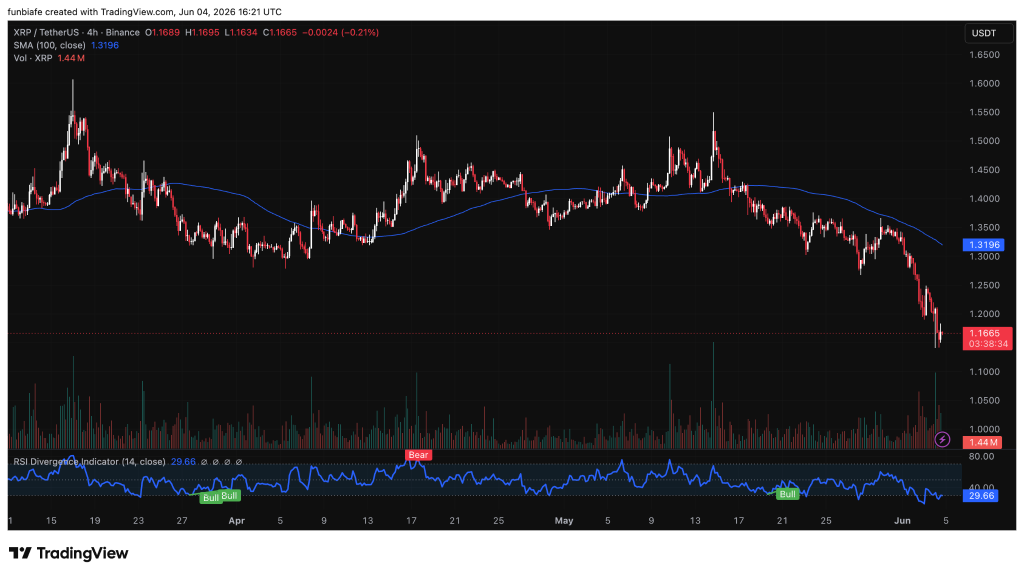
ChatGPT Predicts the XRP Price and Ethereum Price if Bitcoin Crashes to $50K



