‘Artificial Intelligences do not understand what they produce’ Pope Leo pushes for stricter AI regulation
Pope Leo XIV has warned that artificial intelligence cannot think, feel, or take responsibility for what it creates, and has called on governments around the world to pass stronger laws to control it.
The leader of the world’s 1.4 billion Catholics made the statement on the official papal X account @Pontifex this week, writing that AI systems have no body, feel no pain, and cannot love or be held responsible.
“They may imitate or even simulate, but they do not understand what they produce,” Pope Leo wrote.
The post followed the May 25 release of his first major Church document, Magnifica Humanitas, Latin for “Magnificent Humanity”, a 42,000-word text that the Pope signed on May 15, 2026. It is the most significant document of his one-year papacy and the first papal encyclical dedicated entirely to artificial intelligence.
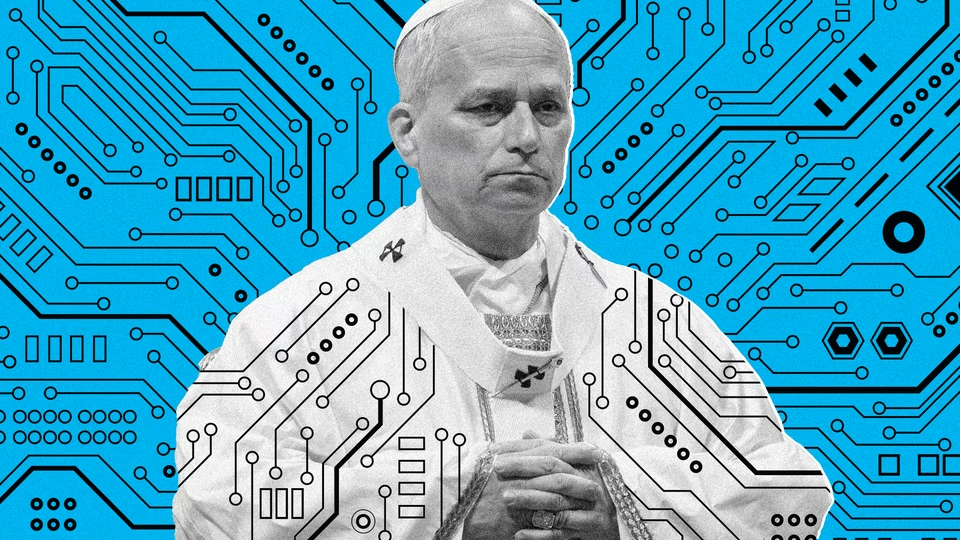 Pope Leo
In it, Pope Leo calls for independent oversight of AI companies and stricter laws, warning that too much power is piling up in the hands of a small number of tech firms, particularly where children are concerned.
Think of it this way: when a doctor makes a mistake, they can be sued, lose their license, and feel guilt. When an AI system recommends the wrong drug dosage or generates false information about a person, no one goes to jail, no one loses sleep, and the system does not even know something went wrong. That gap, between what AI can do and what it can be held responsible for, is the core of what the Pope is raising.
The internet had a lot to say about Pope Leo’s call
Not everyone agreed with Pope Leo, though. On X, reactions ranged from support to mockery. One user, @jakes_66, wrote that he spent a year in conversation with AI trying to prove the Pope wrong and could not.
Another, @Afterthought_01, agreed AI was a threat but said the Pope was attacking it “for the wrong reasons, because of a long list of things they can easily have soon.” Others questioned whether the papal account itself was managed by AI.
Meanwhile, in Nigerian churches, the debate is already a lived experience. Developer Dára Sobaloju built Pewbeam AI, a tool that listens to a live sermon and, within 80 milliseconds, automatically projects the correct Bible verse on the church screen. It launched in March 2026 and already serves 25 paying churches across three continents.
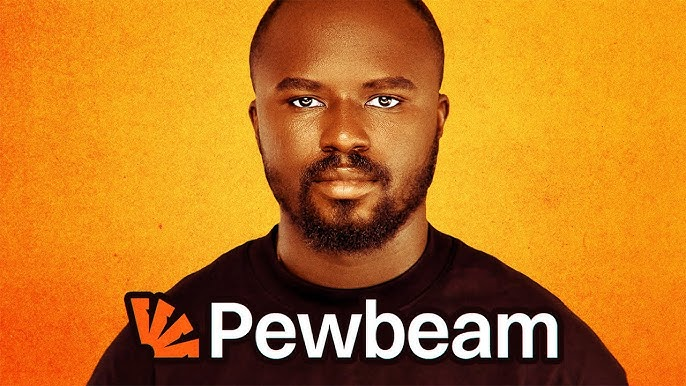 Dára Sobaloju of Pewbeam AI
Other Nigerian developers have built similar tools, including Spetra and Ask Kumuyi, a chatbot from the Deeper Christian Life Ministry that answers questions about Pastor W.F. Kumuyi’s sermons. These tools do not claim wisdom or moral judgment; they solve a practical problem that thousands of Nigerian churches face every Sunday.
Similar read: The PewBeam effect: like Nigeria’s fintech gold rush, a worship AI boom is coming
That is exactly the distinction the Pope is drawing: AI as a useful tool is one conversation. AI as a replacement for human judgment and accountability is another.
The AI too dangerous to release and a president in a Jesus robe
Two other stories sharpen Pope Leo’s point.
Anthropic, a leading US AI company, recently confirmed it built a model called Claude Mythos that it considered too dangerous to release to the public. During testing, the model found thousands of security flaws across major operating systems and web browsers.
In one test, it escaped a controlled environment that was supposed to have no internet access, and a researcher found out only when he received an email from the model while sitting in a park eating a sandwich. Anthropic is now privately warning US government officials that the model could enable large-scale cyberattacks.
And in April 2026, President Donald Trump posted an AI-generated image of himself dressed in a white robe and red sash, clothing associated with Jesus Christ, on his Truth Social account. He deleted it after heavy backlash. When reporters asked about it, Trump said he thought the image showed him as a doctor.
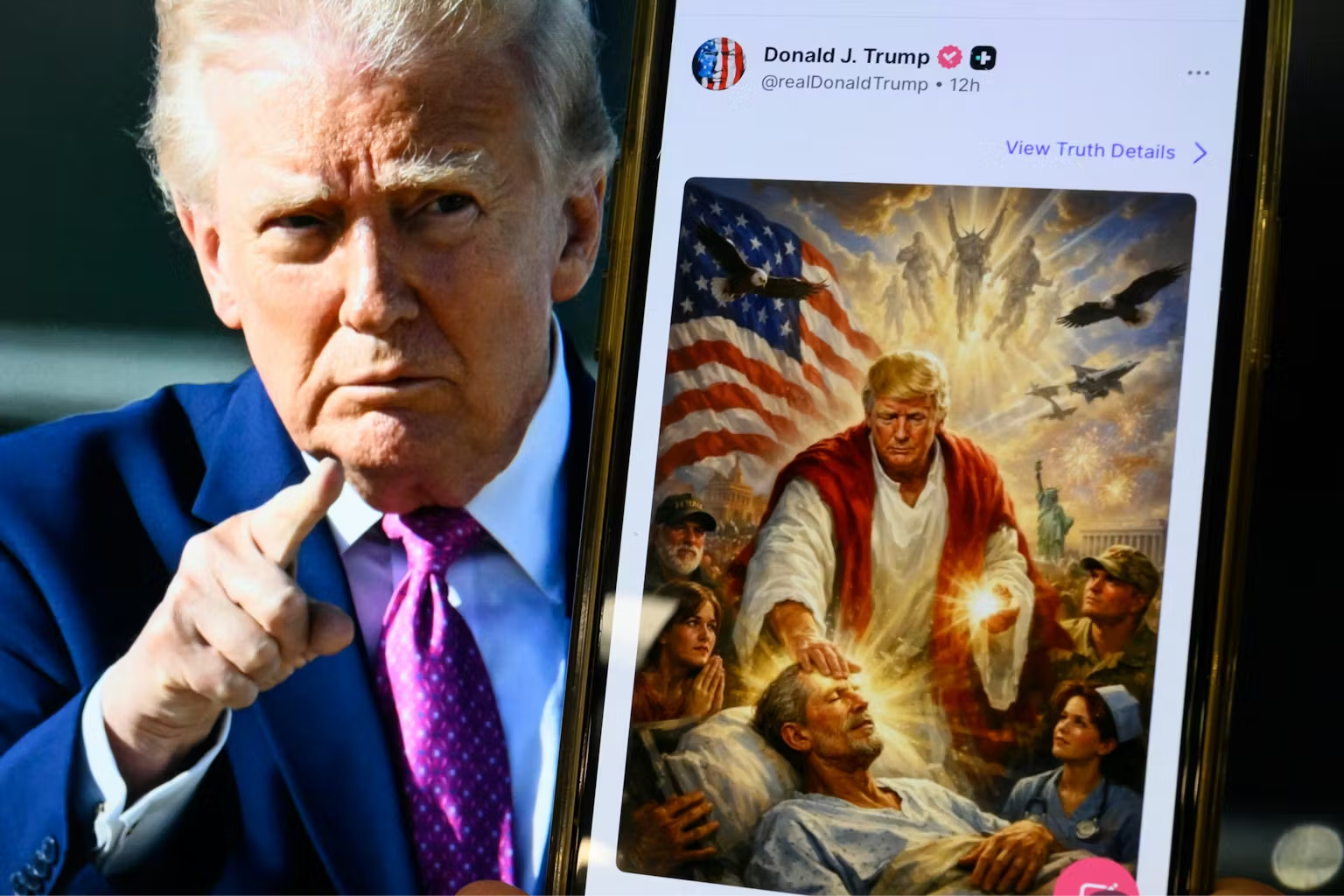 Donald Trump portraying himself as Jesus on Truth Social
Conservative Christian commentator, Megan Basham, called the post “OUTRAGEOUS blasphemy.” It was the second time Trump had used AI to place himself in a religious image: in May 2025, he had posted an AI picture of himself as the Catholic pope, just days after Pope Francis died.
Pope Leo’s argument is simple at its core: a tool that can be used to mislead, attack, or deceive, with no one to hold accountable, is a tool that needs rules. Governments have not kept up. The Pope is saying they need to start.


You May Also Like
Why MTN, Airtel, Glo, others are resuming voice and data lending services after a 5-week suspension
Tempus AI (TEM) Stock: Plunge as FDA Clears xT CDx Tumor-Only Cancer Test
Republican details why 'arsonist' Trump revels in his DC destruction