

US Treasury Quietly Demands Binance Comply With Monitoring Deal
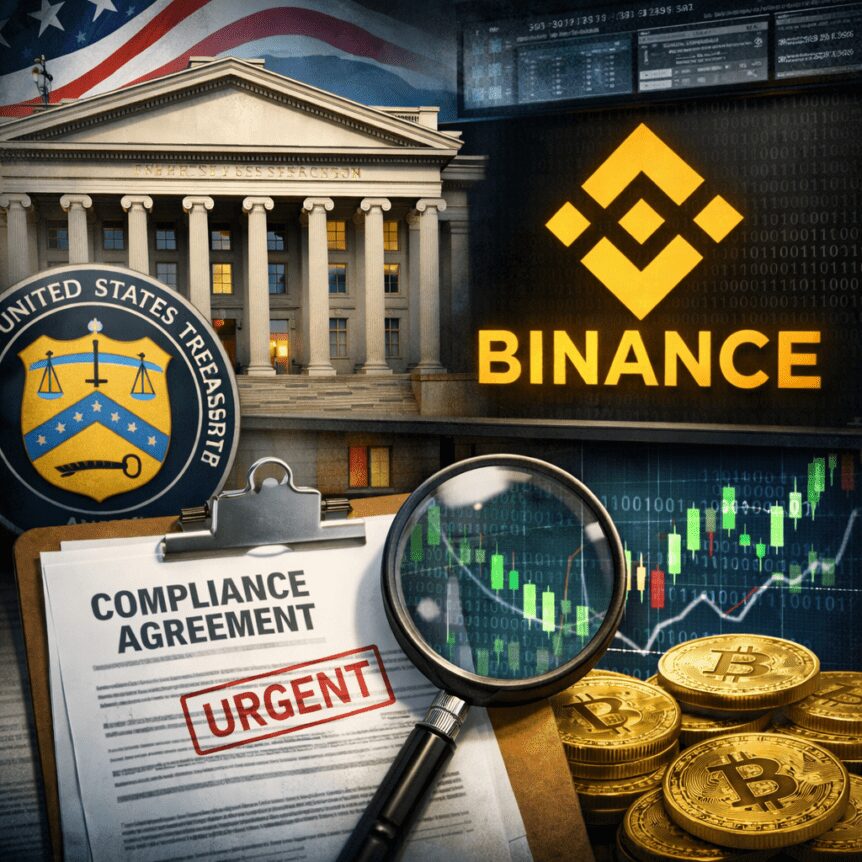
Regulatory scrutiny around Binance has intensified as reports emerge that the US Treasury privately insisted the crypto exchange adhere to an independent monitoring program established under a 2023 settlement with US authorities. The Information, citing internal communications, said the demand followed disclosures that funds potentially tied to Iran flowed through Binance, prompting renewed pressure from lawmakers and regulators to demonstrate ongoing compliance and effective controls. The episode arrives amid broader enforcement activity tied to Binance’s US and international operations and the evolving regulatory framework governing crypto firms.
Binance has publicly asserted its commitment to compliance, telling Cointelegraph it would cooperate with the independent monitor and maintain transparency as it strengthens anti-money-laundering and KYC controls. The remarks came as executive leadership faced renewed questions about governance and continued access to global liquidity for Binance.US, the firm’s U.S. affiliate, as authorities reassess cross-border oversight in the sector.
Key takeaways
- The US Treasury is reported to have privately required Binance to comply with a three-year independent monitoring program that was part of a 2023 settlement with Treasury and the Justice Department, according to The Information.
- The settlement in 2023 involved a $4.3 billion payment and established ongoing monitoring overseen by government officials; the new reporting emphasizes continued regulatory oversight even after the initial accord.
- Allegations that as much as $1 billion flowed through Binance to Iran-linked entities prompted renewed scrutiny and reports that Binance dismissed staff who flagged those transfers, underscoring enforcement focus on sanctions evasion risk.
- A group of US senators reportedly urged Treasury Secretary to detail Binance’s adherence to the 2023 settlement, reflecting legislative concern about compliance and sanctions enforcement within the industry.
- Binance’s response stressed cooperation with the monitor and ongoing collaboration with agencies, framing oversight as a mechanism to strengthen AML/KYC controls.
- Comments by former Binance CEO Changpeng Zhao at the Consensus conference in Miami highlighted his stance on leadership roles and broader liquidity considerations, while filings show legal actions related to the company’s AML regime in the 2023 settlement.
- Regulatory and geopolitical context remains volatile: Zhao’s legal exposure and the involvement of U.S. political figures intersect with cross-border policy developments, including potential implications for MiCA-era standards and cross-jurisdictional enforcement.
Regulatory oversight and monitoring obligations
According to The Information, the 2023 settlement between Binance, the US Treasury, and the US Department of Justice required Binance to operate under an independent monitoring program for a three-year period. The program was designed to assess and verify the firm’s compliance with sanctions, AML, and counter-terrorist financing obligations, with oversight to be conducted by government-appointed officials and an independent monitor. The reported private demand from the Treasury to continue strict adherence to that monitoring framework underscores the persistence of sanctions enforcement risk for large crypto platforms operating on a global scale.
The same reporting raises questions about the efficacy and reach of such monitors in a rapidly changing regulatory environment. The tied disclosures of a $4.3 billion settlement illustrate the scale of the settlement and the severity of expectations for ongoing compliance enforcement. For institutions and banks interacting with crypto entities, the situation reinforces the importance of robust due diligence, continuous monitoring, and clear line items in sanctions screening and AML/KYC programs to address cross-border risk, especially where sensitive jurisdictions are involved.
Beyond the financial penalties, the unfolding narrative includes congressional attention. A group of US senators reportedly urged Treasury Secretary to provide a formal update on Binance’s adherence to the 2023 settlement—the type of oversight activity that can influence licensing prospects, agency cooperation, and the perceived reliability of centralized exchanges in meeting U.S. regulatory standards. The reporting environment signals a tighter coupling between enforcement actions and regulatory transparency obligations for major crypto platforms.
Binance, for its part, emphasized cooperation with the monitor and with regulatory authorities. A spokesperson told Cointelegraph that the firm views oversight as an “important part of continuously strengthening our compliance and anti-money laundering controls,” and that Binance intends to provide the monitor with “full cooperation and transparency.” The emphasis on ongoing collaboration aligns with a broader regulatory expectation that major exchanges demonstrate verifiable compliance capabilities rather than relying solely on post hoc remediation.
Executive responses and leadership perspectives
The Information’s reporting on regulatory oversight coincided with Changpeng Zhao’s appearance at the Consensus conference in Miami. Zhao, who stepped down as Binance CEO in November 2023, has publicly signaled a cautious stance toward the future of leadership in the crypto sector. He told attendees that while he had been “trying to avoid” the United States, he did not rule out strategic moves to preserve user access to global liquidity, including the possibility of reviving Binance.US as a channel to maintain broader liquidity flows. He also rejected the notion of taking a leadership role at another crypto company, describing himself as a “one-trick pony.”
Legal and regulatory developments surrounding Zhao and Binance have continued to unfold through public filings and enforcement activity. Regulatory documents indicate Zhao pleaded guilty to a single felony charge related to failure to maintain an adequate anti-money-laundering regime at Binance as part of the 2023 settlement. While the specifics of the legal matter and its implications are subject to ongoing litigation and procedural developments, the admission underscores the lasting regulatory risk profile associated with major crypto exchanges and their executives.
Further complicating the public narrative is a report that Zhao’s ties to political and business developments have attracted attention beyond the U.S. regulatory sphere. In a separate thread of coverage, reports have highlighted high-profile investments and potential political entanglements that have, at times, intersected with regulatory discourse. The conversation around enforcement, leadership, and governance remains salient for institutional stakeholders evaluating exposure to exchange-level risk and compliance obligations.
Legal actions, enforcement context, and policy implications
The enforcement trajectory surrounding Binance encompasses a confluence of U.S. authorities, cross-border considerations, and internal governance decisions. The 2023 settlement’s legal framework—which included a substantial monetary penalty and the imposition of a monitoring regime—serves as a reference point for how authorities are likely to evaluate ongoing sanction compliance, AML controls, and corporate governance in the crypto sector. The reported guilty plea by Zhao, while tied to the same settlement, adds a personal accountability dimension to the broader regulatory narrative and may influence how future settlements are structured, disclosed, and monitored.
The regulatory cross-currents extend to policy conversations around market structure and licensing. In the European Union, developments tied to the Markets in Crypto-Assets Regulation (MiCA) are shaping standards for licensing, supervisory oversight, and cross-border enforcement. While the U.S. and EU frameworks differ in emphasis and approach, the underlying objective is consistent: ensure robust AML/KYC controls, transparent governance, and credible sanctions enforcement for entities operating in or with the crypto ecosystem. The Binance case thus sits at the intersection of ongoing U.S. enforcement initiatives and the broader global push toward harmonized, regulatorily coherent crypto markets.
The political dimension also factors into risk assessment. Reports of ties between Binance and high-profile political or business actors have fed scrutiny from lawmakers and regulatory observers. While investigators pursue specific regulatory obligations and sanctions compliance, the broader policy implication is clear: as enforcement actions evolve, institutions must weigh the implications for licensing trajectories, correspondent banking relationships, and the ability to provide compliant, regulated access to digital assets on a global scale.
For practitioners and compliance teams tracking regulatory developments, the key takeaway is that the Binance case illustrates a persistent demand for verifiable compliance evidence, continuous monitoring, and transparent remediation plans. The combination of a major settlement, a dedicated monitoring regime, and ongoing congressional engagement creates a framework in which crypto firms must demonstrate durable AML/KYC capabilities, rigorous sanctions screening, and governance that withstands scrutiny from multiple authorities across jurisdictions.
Closing perspective
The evolving narrative around Binance underscores the critical importance of verifiable compliance infrastructure for large crypto platforms operating on global rails. As regulatory expectations sharpen and enforcement tools expand, institutions should monitor not only the outcomes of specific investigations but also how monitoring, governance, and cross-border cooperation evolve within the broader policy environment. The next steps—clarity on monitoring outcomes, additional regulatory disclosures, and any potential licensing adjustments—will likely shape the credibility and resilience of major exchanges in a tightening regulatory landscape.
Notes and attribution: The reporting environment draws on The Information’s coverage of the Treasury’s posture toward Binance’s monitoring program, and on Cointelegraph’s reporting and coverage of Binance’s public statements and Zhao’s remarks at Consensus. For reference, The Information article is linked here, and Cointelegraph’s coverage is cited where relevant in ongoing updates.
This article was originally published as US Treasury Quietly Demands Binance Comply With Monitoring Deal on Crypto Breaking News – your trusted source for crypto news, Bitcoin news, and blockchain updates.


You May Also Like

X Launches Upgraded Cashtag Feature With Live Crypto Charts
TSMC Stock: April Revenue Jumps 17% on AI Chip Demand – Time to Buy?




