Qatar LNG Crisis: Supply Shock Triggers Force Majeure Fears and Market Turmoil
BitcoinWorld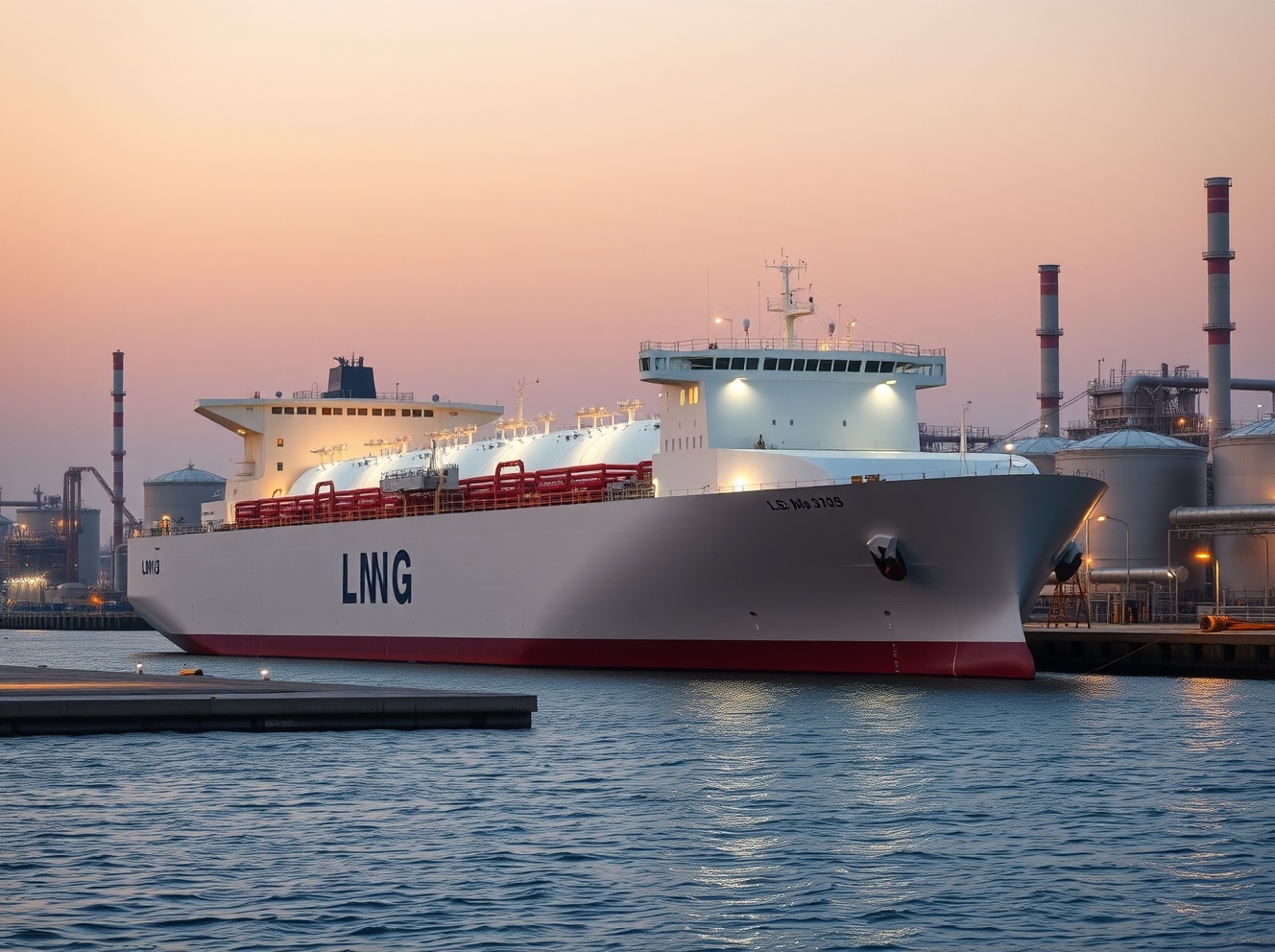
Qatar LNG Crisis: Supply Shock Triggers Force Majeure Fears and Market Turmoil
DOHA, Qatar – March 2025: Global energy markets face significant uncertainty as Qatar, the world’s largest liquefied natural gas (LNG) exporter, confronts substantial supply disruptions. Consequently, industry analysts now warn of potential force majeure declarations that could destabilize winter energy security across Europe and Asia. This developing Qatar LNG crisis stems from unexpected operational challenges at key export facilities.
Understanding the Qatar LNG Supply Shock
The current supply shock primarily affects Qatar’s massive North Field expansion projects. Specifically, technical issues at Ras Laffan’s liquefaction trains have reduced output capacity. Meanwhile, scheduled maintenance at older facilities has compounded the production shortfall. These simultaneous disruptions create a perfect storm for global LNG availability. Furthermore, European nations relying on Qatari shipments for winter storage face immediate pressure. Asian buyers with long-term contracts also monitor the situation closely for potential volume reductions.
Industry data indicates a production drop of approximately 15-20% across Qatar’s LNG portfolio. This reduction translates to nearly 4 million metric tons less LNG entering global markets monthly. For context, this volume could power Germany for several weeks. The timing proves particularly problematic as Northern Hemisphere countries begin winter preparations. Consequently, benchmark LNG prices have surged in both Atlantic and Pacific basins.
Force Majeure Risk and Contractual Implications
The term force majeure represents a critical legal threshold in energy contracts. Essentially, it allows parties to suspend obligations during unforeseeable circumstances. QatarEnergy must now assess whether current disruptions qualify under this provision. Legal experts suggest several factors influence this decision. First, the duration and severity of production issues matter significantly. Second, the company’s ability to source alternative volumes affects the declaration necessity. Finally, contractual relationships with major buyers like Japan, South Korea, and China require careful navigation.
Historical Precedents and Market Memory
Previous force majeure events provide important context for current developments. For instance, Australia’s Prelude FLNG facility declared force majeure in 2022 following industrial action. Similarly, Freeport LNG’s 2022 shutdown after a fire caused massive market volatility. However, a Qatari declaration would carry unprecedented weight due to its market dominance. The country supplies roughly 20% of global LNG trade. Therefore, even a partial force majeure would send shockwaves through energy markets worldwide.
Market reactions already reflect growing anxiety. The Title Transfer Facility (TTF) benchmark has climbed 40% since reports emerged. Likewise, Asian spot LNG prices have reached their highest levels this year. European gas storage injections have slowed despite summer refill campaigns. Energy analysts attribute these movements directly to Qatari supply concerns. Moreover, secondary market activity shows increased hedging against further disruptions.
Global Energy Security Impacts
This Qatar LNG disruption arrives during a fragile period for global energy security. Europe continues managing reduced Russian pipeline gas imports. Meanwhile, Asian demand growth remains robust despite economic headwinds. The supply shock therefore creates competing pressures across regions. European Union energy ministers have scheduled emergency consultations. Their focus centers on coordination mechanisms and potential demand reduction measures.
Key impacts include:
- Price volatility: LNG spot markets experiencing extreme fluctuations
- Storage concerns: European gas inventories filling slower than targets
- Fuel switching: Power generators reconsidering coal and oil alternatives
- Industrial response: Energy-intensive industries evaluating production cuts
The following table illustrates recent price movements across major benchmarks:
| Benchmark | Price (MMBtu) | Weekly Change | Monthly Change |
|---|---|---|---|
| TTF (Europe) | $18.50 | +22% | +40% |
| JKM (Asia) | $19.25 | +18% | +35% |
| Henry Hub (US) | $3.20 | +5% | +12% |
Technical Challenges and Infrastructure Constraints
The specific technical issues involve Qatar’s LNG liquefaction infrastructure. Advanced cooling systems require precise temperature maintenance. Even minor deviations can trigger safety shutdowns. Recent reports indicate problems with heat exchanger reliability. These critical components condense natural gas into liquid form. Repair timelines remain uncertain due to specialized part requirements.
Simultaneously, maintenance schedules have created additional constraints. QatarEnergy planned routine turnarounds at two older trains. However, these coincided unexpectedly with the technical issues at newer facilities. The compounding effect exceeds normal operational redundancy. Consequently, the company’s ability to maintain export volumes suffers significantly. Engineering teams work around the clock to restore full capacity. Nevertheless, complete resolution may require several weeks according to technical assessments.
Geopolitical Considerations and Market Response
Geopolitical factors add complexity to the Qatar LNG situation. Regional stability affects shipping routes through the Strait of Hormuz. Additionally, Qatar’s relationships with major consuming nations influence allocation decisions. The United States has increased LNG exports to Europe recently. However, American facilities operate near capacity limits. Therefore, they cannot fully compensate for Qatari shortfalls. Australian producers face similar constraints with their own technical challenges.
Market participants have implemented several response strategies. European utilities accelerate purchases from alternative suppliers. Asian buyers activate flexibility clauses in long-term contracts. Traders reposition LNG cargoes toward higher-priced markets. These actions demonstrate the interconnected nature of global LNG trade. Furthermore, they highlight how localized disruptions create worldwide consequences.
Long-Term Implications for LNG Markets
Beyond immediate impacts, this Qatar LNG event carries longer-term significance. Firstly, it underscores the fragility of global energy supply chains. Secondly, it may accelerate investment in import infrastructure diversification. Thirdly, it could strengthen arguments for domestic energy production. European nations may reconsider nuclear and renewable energy timelines. Asian countries might fast-track coal power projects despite climate commitments.
The incident also affects contract negotiations between producers and consumers. Buyers will likely demand more flexibility provisions. Sellers may seek stronger force majeure protections. These negotiations shape market structures for years. Additionally, price volatility could persist even after supply restoration. Market psychology often lingers beyond physical resolution.
Conclusion
The Qatar LNG supply shock represents a critical test for global energy resilience. Force majeure declarations remain possible as technical challenges continue. Consequently, winter energy security faces genuine threats across multiple continents. Market volatility reflects underlying anxiety about sustained disruptions. Furthermore, this event highlights systemic vulnerabilities in concentrated supply chains. The coming weeks will determine whether Qatar can restore operations quickly. Meanwhile, consuming nations must implement contingency plans. Ultimately, this Qatar LNG crisis demonstrates how interconnected modern energy markets have become. A single nation’s production issues now create worldwide consequences requiring coordinated responses.
FAQs
Q1: What is causing the Qatar LNG supply disruption?
Technical issues at liquefaction facilities combined with scheduled maintenance have reduced Qatar’s LNG export capacity by 15-20%. Problems with heat exchangers and other critical infrastructure components require extensive repairs.
Q2: What does force majeure mean in LNG contracts?
Force majeure is a contractual clause allowing parties to suspend obligations during extraordinary, unforeseeable events beyond their control. In LNG markets, this typically involves natural disasters, wars, or major technical failures preventing delivery.
Q3: How does this affect European energy security?
Europe relies on Qatari LNG to refill storage facilities before winter. Reduced shipments could leave inventories below target levels, increasing price pressures and potentially requiring emergency demand reduction measures during cold months.
Q4: Are alternative LNG suppliers available to replace Qatari volumes?
While the United States and Australia have increased exports, both operate near capacity limits. No single supplier can fully compensate for Qatari shortfalls, creating competition for available cargoes between Europe and Asia.
Q5: How long might these supply disruptions last?
Industry estimates suggest several weeks for full restoration, though partial recovery may occur sooner. The complexity of LNG infrastructure repairs makes precise timelines difficult to establish with certainty.
This post Qatar LNG Crisis: Supply Shock Triggers Force Majeure Fears and Market Turmoil first appeared on BitcoinWorld.
You May Also Like

Ethereum unveils roadmap focusing on scaling, interoperability, and security at Japan Dev Conference
XRP Open Interest Splits Across Exchanges as Evernorth Plans Historic Nasdaq Treasury Debut