The post Apple and Google dodge Texas age verification law as judge blocks it appeared on BitcoinEthereumNews.com. A federal court stopped Texas law that would’The post Apple and Google dodge Texas age verification law as judge blocks it appeared on BitcoinEthereumNews.com. A federal court stopped Texas law that would’

Apple and Google dodge Texas age verification law as judge blocks it

A federal court stopped Texas law that would’ve forced app stores to verify users’ ages before they could download apps. The law was set to start January 1st.

Judge Robert Pitman granted an order stopping the Texas App Store Accountability Act (SB 2420) from taking effect. He wrote that the law is like requiring “every bookstore to verify the age of every customer at the door and, for minors, require parental consent before the child or teen could enter and again when they try to purchase a book.”

Pitman hasn’t ruled yet on whether the law is actually legal. But by blocking it now, he’s saying the state probably won’t win this fight in court.

This ruling matters because Texas was first in line with this type of law. Utah and Louisiana passed similar ones, and Congress is now looking at doing this nationwide. So what happens here could set the tone for what comes next everywhere else.

So how the law would work? App stores like Apple and Google would have to check ages, then pass that information along to app developers. The goal is keeping kids away from apps they shouldn’t be using. Parent advocacy groups came up with this idea originally, though Meta and other big tech companies like Snap and X ended up lobbying for it too.

The Computer & Communications Industry Association sued to stop the law. Their members include Apple, Google, and Meta. They claimed the law “imposes a broad censorship regime on the entire universe of mobile apps” and would make teens jump through hoops to access online content. Kids and their parents would have to give up personal data just to use apps.

A student advocacy group filed their own lawsuit too. They argued the law violates the constitution by limiting what speech kids can see. Texas officials say the law is constitutional and should be allowed.

The state can appeal to the Fifth Circuit Court of Appeals, which has overturned similar blocks on internet rules before. Attorney General Ken Paxton’s office hasn’t said yet whether they’ll appeal.

Judge says law fails constitutional test

Judge Pitman said the law has to pass the strictest First Amendment test. That means Texas must prove it’s “the least restrictive means of achieving a compelling state interest.” He found the state didn’t meet that bar. In fact, he said it wouldn’t even pass a lower standard because Texas hasn’t shown their methods actually connect to their goals.

The judge acknowledged protecting kids online is important. But he added, “the means to achieve that end must be consistent with the First Amendment. However compelling the policy concerns, and however widespread the agreement that the issue must be addressed, the Court remains bound by the rule of law.”

Apple really didn’t want this law to happen. CEO Tim Cook reportedly called Governor Greg Abbott himself to try talking him out of signing it. The company has previously faced antitrust scrutiny in various jurisdictions over its app store policies.

Google opposed the Texas version too but recently supported California’s different approach, which collects less user data.

A House Energy and Commerce subcommittee just advanced two bills that mix ideas from both the Texas and California versions. This push for a national law worried Apple enough that Cook met with committee leaders the day before they voted on the bills.

With all these laws moving forward in different states and Congress, app store companies are starting to make their own changes. Apple rolled out new kids safety features this year, including letting parents share their children’s age ranges with app developers.

Sharpen your strategy with mentorship + daily ideas – 30 days free access to our trading program

Source: https://www.cryptopolitan.com/apple-and-google-dodge-texas-age-verification-law-as-judge-blocks-it/
Market Opportunity
RWAX Logo
RWAX Price(APP)
$0.0006799
$0.0006799$0.0006799
-7.78%
USD
RWAX (APP) Live Price Chart
Disclaimer: The articles reposted on this site are sourced from public platforms and are provided for informational purposes only. They do not necessarily reflect the views of MEXC. All rights remain with the original authors. If you believe any content infringes on third-party rights, please contact [email protected] for removal. MEXC makes no guarantees regarding the accuracy, completeness, or timeliness of the content and is not responsible for any actions taken based on the information provided. The content does not constitute financial, legal, or other professional advice, nor should it be considered a recommendation or endorsement by MEXC.

You May Also Like

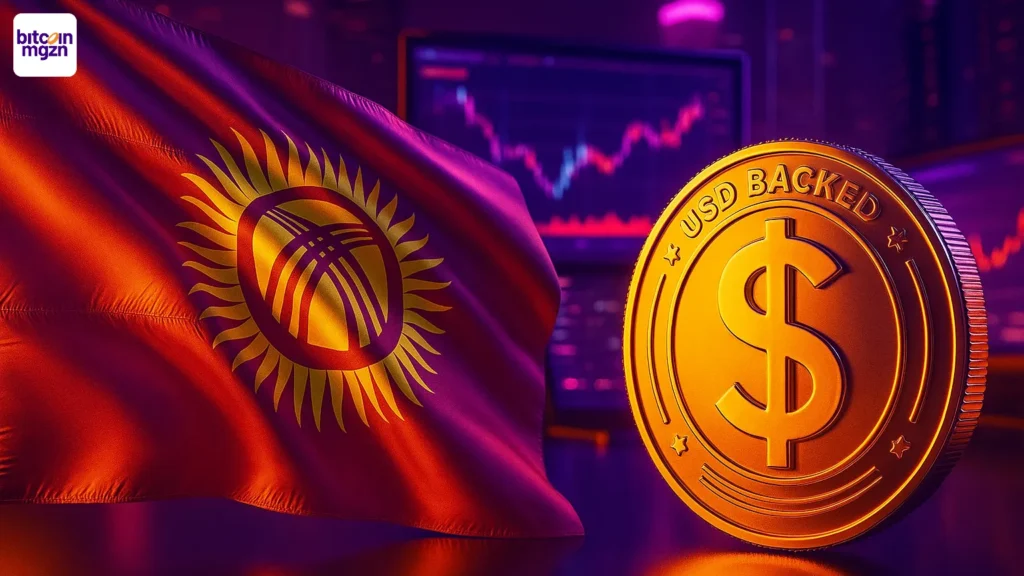
Waarom Kyrgyzstan via Binance inzet op een stablecoin

Waarom Kyrgyzstan via Binance inzet op een stablecoin

De stablecoin van Kyrgyzstan, KGST, is gelist op Binance. Dit is een belangrijke vooruitgang voor het land, wat de president ook benoemt. Voor stablecoins lijkt
Share
Coinstats2025/12/26 01:46
Saudi blockchain real estate offers tokenized investment under Vision 2030

Saudi blockchain real estate offers tokenized investment under Vision 2030

The Saudi Arabian Vision 2030 has sped up the digital transformation of various sectors. The real estate industry is about to enter a new era with tokenized ownership
Share
Tronweekly2025/12/26 02:04
Polygon Tops RWA Rankings With $1.1B in Tokenized Assets

Polygon Tops RWA Rankings With $1.1B in Tokenized Assets

The post Polygon Tops RWA Rankings With $1.1B in Tokenized Assets appeared on BitcoinEthereumNews.com. Key Notes A new report from Dune and RWA.xyz highlights Polygon’s role in the growing RWA sector. Polygon PoS currently holds $1.13 billion in RWA Total Value Locked (TVL) across 269 assets. The network holds a 62% market share of tokenized global bonds, driven by European money market funds. The Polygon POL $0.25 24h volatility: 1.4% Market cap: $2.64 B Vol. 24h: $106.17 M network is securing a significant position in the rapidly growing tokenization space, now holding over $1.13 billion in total value locked (TVL) from Real World Assets (RWAs). This development comes as the network continues to evolve, recently deploying its major “Rio” upgrade on the Amoy testnet to enhance future scaling capabilities. This information comes from a new joint report on the state of the RWA market published on Sept. 17 by blockchain analytics firm Dune and data platform RWA.xyz. The focus on RWAs is intensifying across the industry, coinciding with events like the ongoing Real-World Asset Summit in New York. Sandeep Nailwal, CEO of the Polygon Foundation, highlighted the findings via a post on X, noting that the TVL is spread across 269 assets and 2,900 holders on the Polygon PoS chain. The Dune and https://t.co/W6WSFlHoQF report on RWA is out and it shows that RWA is happening on Polygon. Here are a few highlights: – Leading in Global Bonds: Polygon holds 62% share of tokenized global bonds (driven by Spiko’s euro MMF and Cashlink euro issues) – Spiko U.S.… — Sandeep | CEO, Polygon Foundation (※,※) (@sandeepnailwal) September 17, 2025 Key Trends From the 2025 RWA Report The joint publication, titled “RWA REPORT 2025,” offers a comprehensive look into the tokenized asset landscape, which it states has grown 224% since the start of 2024. The report identifies several key trends driving this expansion. According to…
Share
BitcoinEthereumNews2025/09/18 00:40