

KOSPI Triggers Sell-Side Sidecar After 5% Plunge: What Investors Need to Know
BitcoinWorld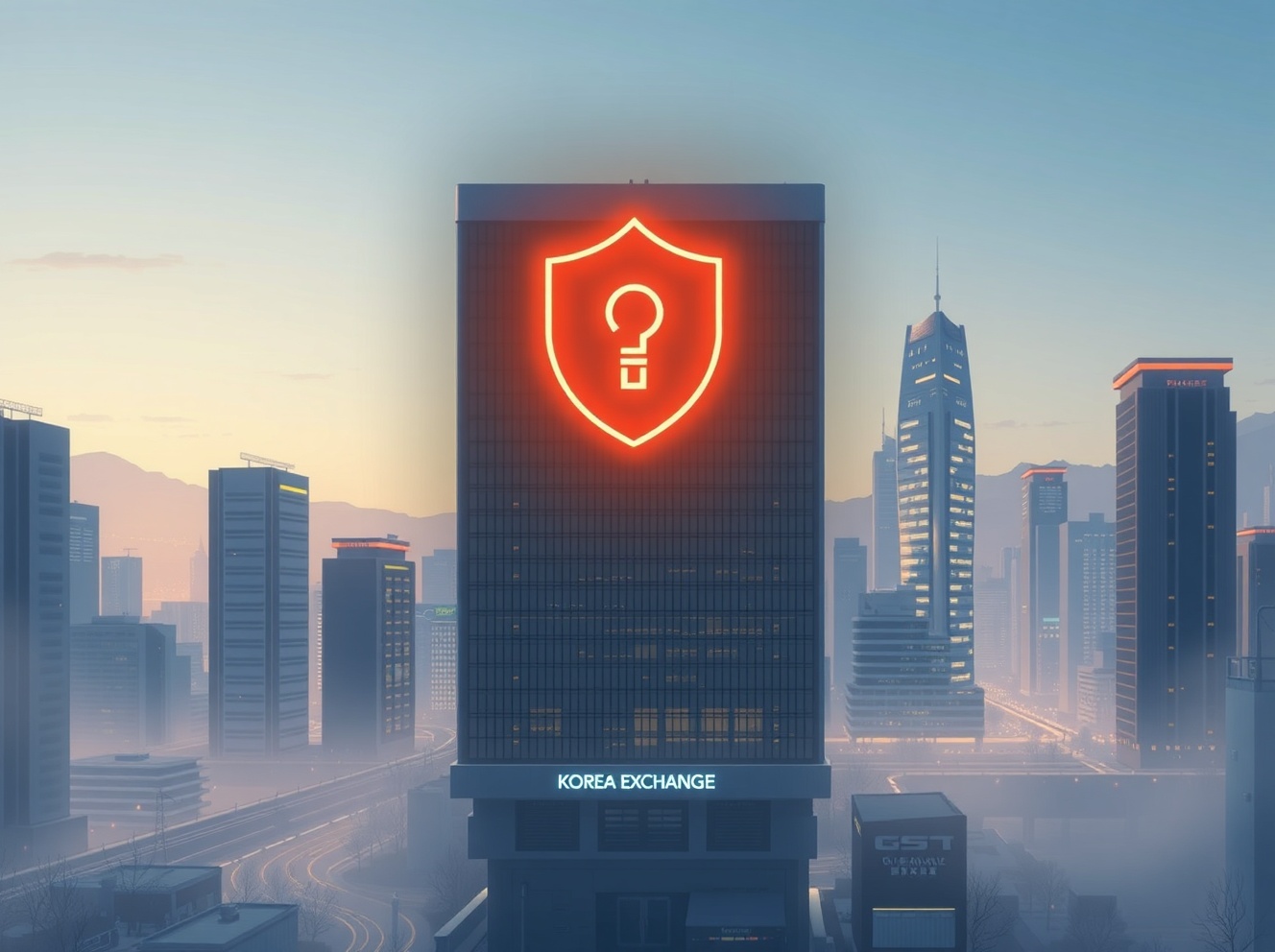
KOSPI Triggers Sell-Side Sidecar After 5% Plunge: What Investors Need to Know
Seoul, South Korea — The Korea Exchange (KRX) activated a sell-side sidecar mechanism on the KOSPI index today after the benchmark fell by more than 5% during trading hours. The move temporarily halts program trading to curb excessive volatility and provide a cooling-off period for markets.
What Is a Sell-Side Sidecar?
A sell-side sidecar is a circuit breaker mechanism unique to the South Korean stock market. It is triggered when the KOSPI or KOSDAQ index drops by 5% or more from the previous day’s close, and program selling orders exceed a certain threshold. Once activated, program trading is suspended for five minutes, though manual trading continues. This allows the market to absorb the shock without a complete shutdown.
Context and Implications
The KOSPI has faced heightened volatility in recent weeks, driven by global macroeconomic concerns, including interest rate uncertainty in the United States, geopolitical tensions in the region, and slowing export growth. Today’s decline marks one of the largest single-day drops this year, triggering the sidecar for the first time since March 2023.
The sidecar is not a full trading halt. It specifically targets automated, high-frequency program trades that can exacerbate downward spirals. By pausing these orders, the KRX aims to give human traders and market makers time to assess the situation and stabilize prices.
Impact on Retail and Institutional Investors
For retail investors, the sidecar can be a double-edged sword. On one hand, it provides a brief respite from panic selling, potentially preventing a steeper decline. On the other hand, it can create a false sense of security if the underlying selling pressure remains strong. Institutional investors, particularly those using algorithmic strategies, may need to adjust their trading algorithms to account for the pause.
The KRX has not indicated whether additional measures, such as a full market-wide circuit breaker, will be implemented if volatility continues. Market participants are closely watching the KOSPI’s movement in the remaining hours of the trading session.
Conclusion
The activation of the KOSPI sell-side sidecar underscores the fragile state of South Korean equities amid global headwinds. While the mechanism is designed to protect market integrity, it also signals that volatility has reached levels that require intervention. Investors should remain cautious and monitor further announcements from the Korea Exchange and financial regulators.
FAQs
Q1: What exactly is a sell-side sidecar?
A sell-side sidecar is a temporary suspension of program trading on the KOSPI or KOSDAQ when the index drops 5% or more and program sell orders dominate. It lasts five minutes and is intended to cool down panic-driven selling.
Q2: Does the sidecar mean trading is completely halted?
No. Only program trading (automated, high-frequency trades) is paused. Manual trading by individuals and institutions continues normally during the sidecar period.
Q3: How often does the KOSPI sidecar trigger?
The sidecar is relatively rare. It was triggered several times during the 2020 COVID-19 market crash and again in 2023. Today’s activation is the first in over a year, reflecting significant market stress.
This post KOSPI Triggers Sell-Side Sidecar After 5% Plunge: What Investors Need to Know first appeared on BitcoinWorld.


You May Also Like

Bloomberg: US House Committee May Release Crypto Tax Legislation Friday
CME CEO Terry Duffy warns crypto perpetual futures could threaten market stability
IronWorm Malware Targets Crypto Developers Through Supply Chains


Trending News
More
