Brent crude surpasses $110 per barrel as WTI surges 4%: Unprecedented energy market shift
BitcoinWorld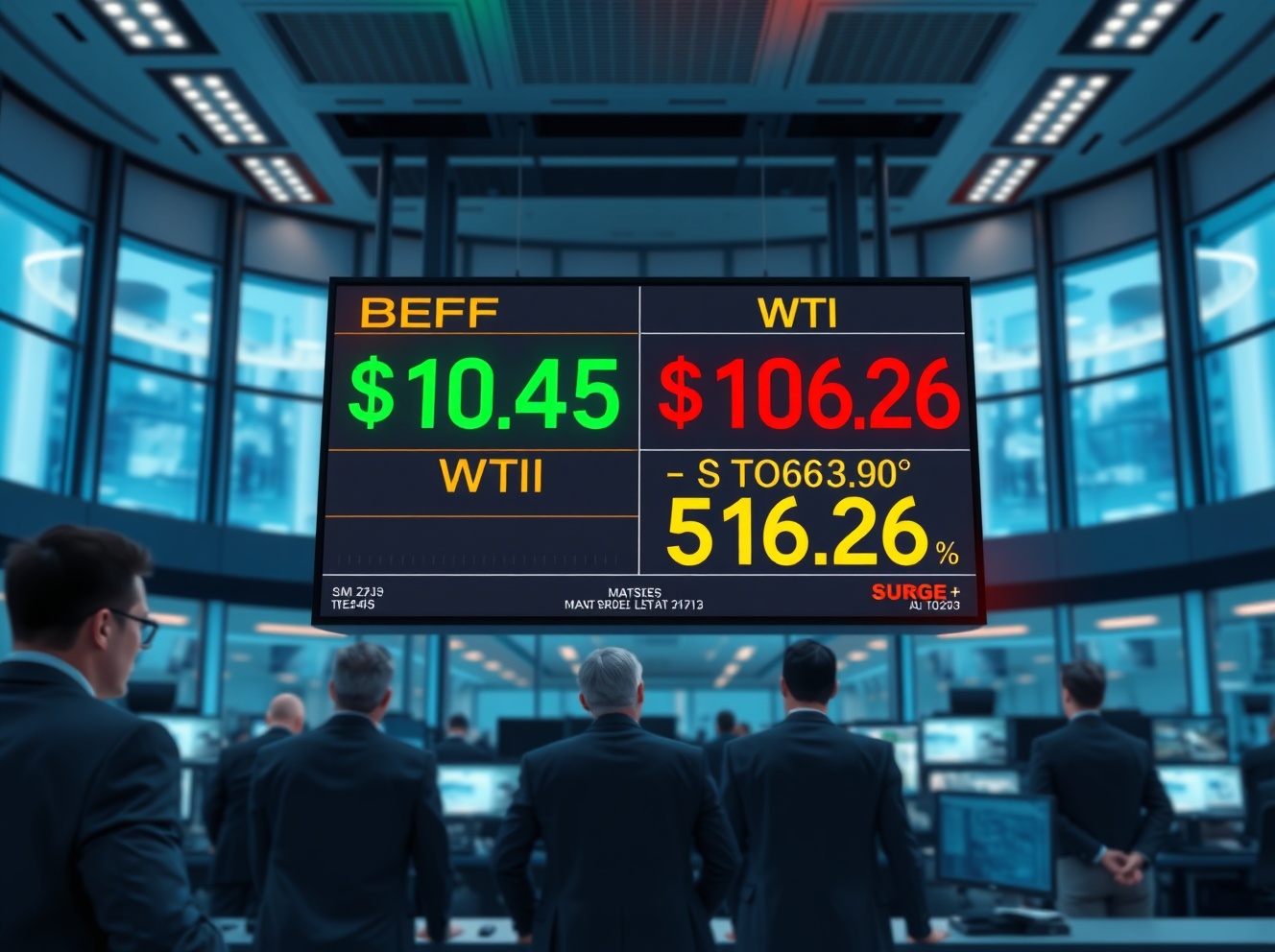
Brent crude surpasses $110 per barrel as WTI surges 4%: Unprecedented energy market shift
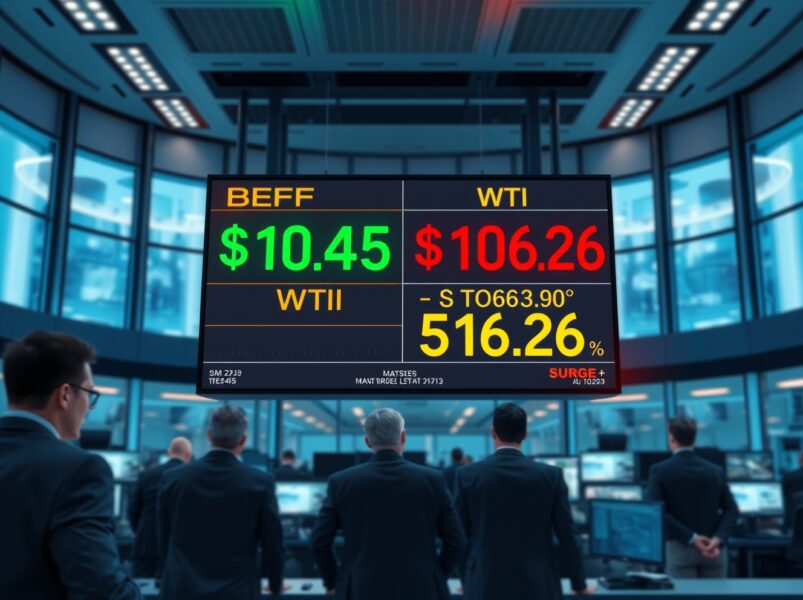
In a dramatic turn of events, Brent crude surpasses $110 per barrel, rising 2.27% during intraday trading. At the same time, West Texas Intermediate (WTI) crude oil surges 4.00%, reaching $106.26 per barrel. This sharp upward movement sends shockwaves through global energy markets. Investors and analysts scramble to understand the underlying causes. The rally occurs amid heightened geopolitical tensions and supply constraints. This article provides a deep analysis of the crude oil price surge, its drivers, and its broader implications.
Understanding the Brent crude surpasses $110 per barrel milestone
Brent crude, the global benchmark, crosses the $110 threshold for the first time in months. This crude oil price surge reflects a combination of factors. Supply disruptions from key producing regions play a major role. Additionally, strong demand from recovering economies adds upward pressure. The price jump signals market anxiety about future availability. Traders react swiftly, driving volumes higher. Meanwhile, spot silver falls 3.00%, trading at $73.47 per ounce. This divergence highlights a shift in investor sentiment toward energy assets.
Key drivers behind the WTI surges 4% rally
The WTI surges 4% movement stems from several interconnected elements. First, OPEC+ production cuts continue to tighten supply. Second, inventory data shows declining stockpiles in the United States. Third, geopolitical risks in Eastern Europe and the Middle East escalate. These factors create a perfect storm for oil prices. Analysts at major financial institutions revise their price forecasts upward. The rally also impacts related commodities, such as natural gas and refined products.
Geopolitical tensions fuel the Brent crude surpasses $110 per barrel event
Recent developments in key oil-producing regions intensify market fears. Sanctions on major exporters reduce global supply. Additionally, pipeline disruptions in several countries compound the problem. The market now prices in a risk premium. This premium reflects uncertainty about future output. Traders bid up prices to hedge against potential shortages. The crude oil price surge therefore represents both fundamental and speculative forces.
Impact on global energy markets and economies
The Brent crude surpasses $110 per barrel milestone has far-reaching consequences. Higher oil prices increase production costs for industries. Transportation, manufacturing, and agriculture sectors feel the pinch. Consumers face higher fuel prices at the pump. This can reduce discretionary spending and slow economic growth. Central banks may adjust monetary policies in response. Import-dependent nations experience trade balance pressures. Conversely, oil-exporting countries benefit from increased revenues.
Expert analysis on the WTI surges 4% movement
Energy market experts provide context for the WTI surges 4% rally. Dr. Sarah Chen, an economist at the Global Energy Institute, notes that supply constraints are the primary driver. She emphasizes that inventory levels are at multi-year lows. Additionally, she points to rising demand from Asia as a supporting factor. Other analysts highlight the role of speculative trading. They caution that prices may remain volatile in the near term.
Comparing Brent and WTI performance during the crude oil price surge
Both benchmarks show strong upward momentum, but with key differences. Brent crude, being more internationally traded, reflects global supply dynamics. WTI, focused on U.S. markets, responds more to domestic inventory data. The table below summarizes their recent performance:
| Benchmark | Price | Daily Change |
|---|---|---|
| Brent Crude | $110.45 | +2.27% |
| WTI Crude | $106.26 | +4.00% |
| Spot Silver | $73.47 | -3.00% |
This data highlights the crude oil price surge while silver declines. Investors rotate out of precious metals into energy assets. This shift reflects changing risk appetite in the market.
Historical context of the Brent crude surpasses $110 per barrel event
Brent crude has reached similar levels in past crises. For example, in 2022, prices spiked above $120 following geopolitical events. However, the current rally occurs in a different macroeconomic environment. Interest rates are higher, and global growth is slower. This makes the Brent crude surpasses $110 per barrel event particularly notable. It suggests that supply-side factors outweigh demand concerns. Historical patterns indicate that such spikes often lead to increased volatility.
What the WTI surges 4% means for traders
For traders, the WTI surges 4% presents both opportunities and risks. Short-term momentum favors bullish positions. However, overbought conditions may trigger profit-taking. Options markets show elevated implied volatility. Traders should monitor key support and resistance levels. Additionally, they must watch for any policy announcements from major producers. The crude oil price surge could extend if supply disruptions worsen.
Broader implications for the energy sector
The Brent crude surpasses $110 per barrel milestone benefits oil companies. Higher prices boost their revenues and profits. This leads to increased capital expenditure on exploration and production. Renewable energy stocks may face headwinds, as fossil fuels become more profitable. However, long-term trends toward decarbonization remain intact. Governments may accelerate energy transition policies to reduce dependence on volatile oil markets.
Conclusion
In summary, Brent crude surpasses $110 per barrel as WTI surges 4%, driven by supply constraints and geopolitical risks. This crude oil price surge impacts global economies, industries, and consumers. Investors should stay informed about market developments. The rally underscores the importance of energy security and diversification. As events unfold, the focus remains on supply dynamics and policy responses.
FAQs
Q1: Why did Brent crude surpass $110 per barrel?
A1: The surge is driven by supply disruptions, OPEC+ production cuts, and geopolitical tensions that reduce global oil availability.
Q2: What caused WTI to surge 4%?
A2: WTI rallied due to declining U.S. inventories, strong demand, and market anxiety over potential supply shortages.
Q3: How does the crude oil price surge affect consumers?
A3: Higher oil prices lead to increased costs for gasoline, heating, and goods, reducing disposable income and potentially slowing economic growth.
Q4: What is the difference between Brent and WTI crude?
A4: Brent is a global benchmark sourced from the North Sea, while WTI is a U.S. benchmark. They respond to different supply and demand factors.
Q5: Will oil prices continue to rise?
A5: Prices may remain volatile, depending on geopolitical developments, OPEC+ decisions, and global demand trends. Analysts advise caution.
This post Brent crude surpasses $110 per barrel as WTI surges 4%: Unprecedented energy market shift first appeared on BitcoinWorld.


You May Also Like

Best Crypto To Buy Now: Pepeto vs BlockDAG, Layer Brett, Remittix, Little Pepe, Compared

Ultra right-winger linked to $50M funneled through beloved charity to fund extreme agenda