Strait of Hormuz: US Deploys Forces in Critical Freedom of Navigation Operation to Secure Global Trade
BitcoinWorld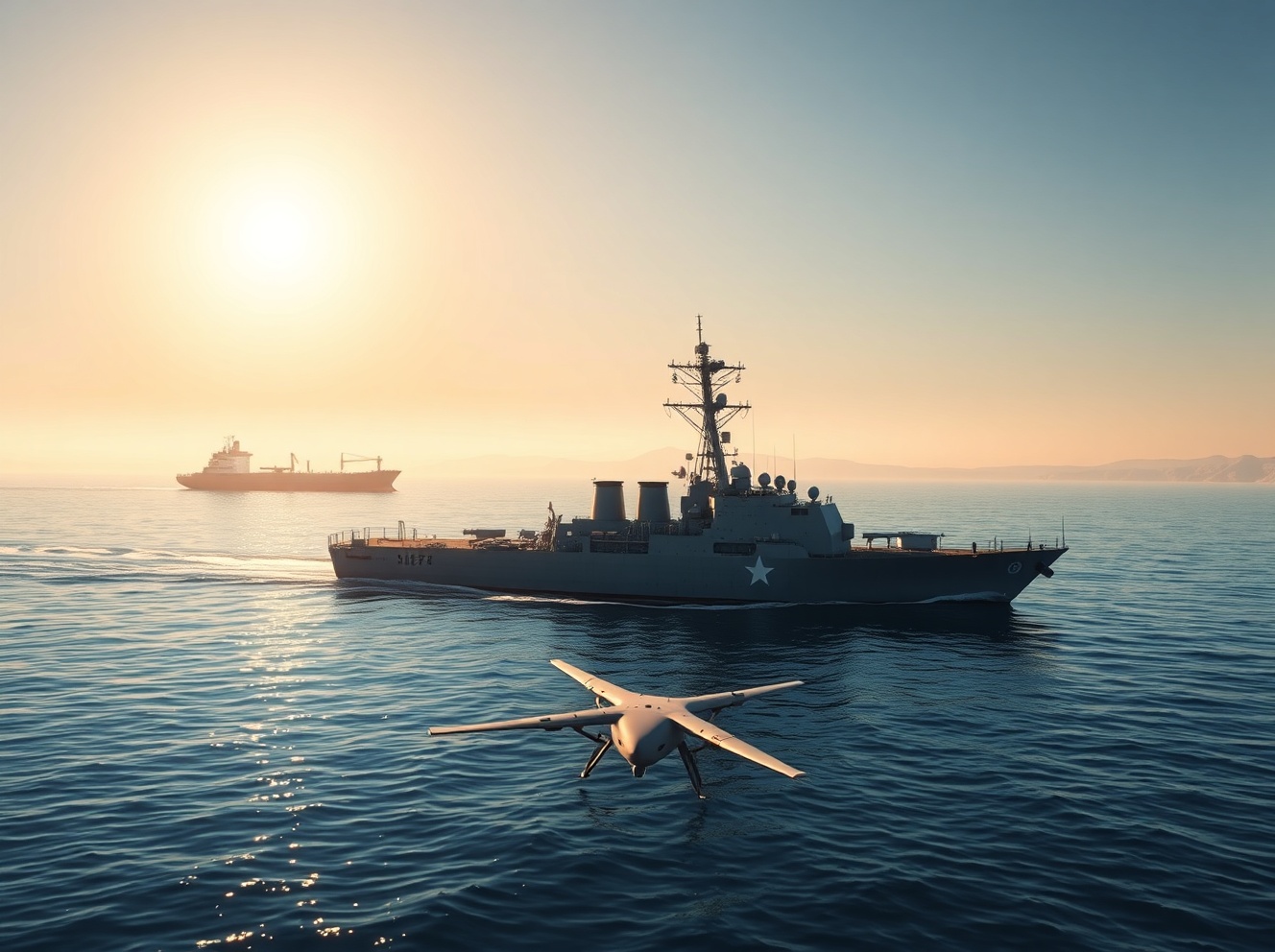
Strait of Hormuz: US Deploys Forces in Critical Freedom of Navigation Operation to Secure Global Trade
The United States has initiated a major military deployment to the Strait of Hormuz. This operation, named ‘Freedom of Navigation,’ aims to protect merchant vessels transiting this critical waterway. The strait handles a quarter of the world’s seaborne oil trade. It also moves large volumes of fuel and fertilizer products. U.S. Central Command announced the mission on May 4. It operates under a direct presidential order. General Brad Cooper, commander of U.S. Central Command, stated the defensive mission is vital for regional security and the global economy. He emphasized the need to maintain a maritime blockade against threats.
Understanding the Strait of Hormuz Freedom of Navigation Mission
The Strait of Hormuz is a narrow channel between the Persian Gulf and the Gulf of Oman. It is one of the world’s most strategic choke points. Approximately 20 million barrels of oil pass through it daily. This represents about 30% of all seaborne-traded crude oil. Any disruption here causes immediate spikes in global energy prices. The U.S. deployment directly responds to recent threats against commercial shipping. Iran has previously harassed and seized vessels in the area. The Freedom of Navigation operation seeks to deter such actions. It also reassures international shipping companies and insurance markets.
The mission involves a multi-domain force. The U.S. military is deploying a missile destroyer, over 100 land- and sea-based aircraft, and multi-domain unmanned platforms. It also includes 15,000 personnel. This force composition provides layered defense. Ships can intercept surface threats. Aircraft provide air cover and surveillance. Unmanned systems monitor underwater and surface activity. The integration of these assets creates a formidable deterrent.
Key Military Assets and Their Roles in the Operation
The deployment includes a range of specialized equipment. The missile destroyer serves as the primary surface combatant. It carries advanced radar and missile systems. These systems can engage aircraft, missiles, and surface vessels. The 100-plus aircraft include fighter jets, surveillance planes, and helicopters. They provide persistent aerial coverage. Unmanned platforms, such as drones and underwater gliders, extend the sensor network. They can operate for extended periods without risking human lives.
The 15,000 personnel include sailors, marines, and support staff. They operate the equipment and conduct boarding operations if needed. This force size indicates a serious commitment. It is not a symbolic presence. The U.S. has conducted similar operations before, but the scale here is notable. The last major deployment of this size occurred in 2019 after attacks on oil tankers.
Strategic Importance of the Maritime Freedom Initiative
The operation follows the U.S. State Department’s ‘Maritime Freedom Initiative.’ This program combines diplomatic efforts with military coordination. It enhances cooperation and information sharing among international partners. The initiative aims to build a coalition of nations committed to free passage. Many countries rely on the Strait of Hormuz for energy imports. Japan, South Korea, India, and European nations all depend on this route. The initiative encourages them to contribute assets or intelligence. This shared responsibility reduces the burden on the U.S. Navy. It also legitimizes the operation under international law.
Information sharing is critical. Real-time data on vessel movements, suspicious activity, and weather conditions improves safety. The U.S. provides secure communication channels. Partner nations can report threats and coordinate responses. This network creates a transparent maritime environment. It reduces the risk of miscalculation or accidental conflict.
Economic Impact of the Strait of Hormuz Deployment
The global economy directly feels any tension in the Strait of Hormuz. Oil prices react instantly to perceived risks. On the day of the announcement, Brent crude futures rose by 2.3%. Analysts predict further volatility if the situation escalates. Insurance premiums for vessels transiting the strait have already increased. Shipping companies may reroute cargoes, adding time and cost. This affects everything from gasoline prices to plastic manufacturing.
The table below shows the strait’s share of key commodities:
| Commodity | Daily Volume Through Strait | Global Share |
|---|---|---|
| Crude Oil | 20 million barrels | 30% |
| LNG | 10 million cubic meters | 25% |
| Fuel Products | 5 million barrels | 20% |
| Fertilizer | 2 million tons | 15% |
These figures highlight the operation’s economic stakes. A prolonged disruption could trigger a global recession. The U.S. deployment aims to prevent this. It provides a stable environment for trade. This stability benefits producers and consumers alike.
Timeline of Key Events Leading to the Operation
Understanding the context helps readers grasp the urgency. The timeline below outlines recent developments:
- January 2024: Iran seizes a tanker near the strait, escalating tensions.
- March 2024: Houthi rebels in Yemen attack Red Sea shipping, diverting traffic toward the strait.
- April 2024: U.S. intelligence reports increased Iranian mine-laying exercises.
- May 4, 2024: U.S. Central Command announces the Freedom of Navigation operation.
Each event built pressure on the U.S. to act. The deployment is a direct response to these threats. It is not an aggressive move but a defensive one. The goal is to maintain the status quo and prevent escalation.
Expert Analysis on Regional Security Implications
Military analysts view the operation as a calculated risk. It shows strength but could provoke Iran. Iran has threatened to close the strait in the past. Its navy operates small, fast boats and mines. These asymmetric tactics can challenge larger vessels. The U.S. deployment counters these threats with surveillance and quick-reaction forces. However, any miscalculation could lead to direct conflict.
General Cooper emphasized the defensive nature of the mission. He stated that the U.S. seeks de-escalation. The presence of 15,000 personnel sends a clear message. It signals that the U.S. will protect its interests and allies. This deterrence strategy has worked before. In 2020, after the U.S. killed Iranian General Soleimani, a similar deployment prevented retaliation against shipping.
International law supports the operation. The United Nations Convention on the Law of the Sea guarantees freedom of navigation. The U.S. operation enforces this right. It also aligns with UN Security Council resolutions. This legal framework provides legitimacy. It also encourages other nations to participate.
Conclusion
The U.S. deployment to the Strait of Hormuz for the Freedom of Navigation operation is a significant military and economic move. It protects a vital trade route that moves a quarter of the world’s oil. The operation uses a missile destroyer, over 100 aircraft, unmanned platforms, and 15,000 personnel. It follows the Maritime Freedom Initiative, which builds international cooperation. The mission aims to deter threats and ensure stable oil prices. Global markets watch closely. The success of this operation depends on careful execution and continued diplomacy. For now, the U.S. has made its commitment clear: it will defend free passage through the Strait of Hormuz.
FAQs
Q1: What is the Strait of Hormuz Freedom of Navigation operation?
A1: It is a U.S. military mission to protect merchant vessels transiting the Strait of Hormuz, a critical oil trade route. The operation involves naval, air, and unmanned assets to deter threats and ensure safe passage.
Q2: Why is the Strait of Hormuz important to the global economy?
A2: The strait handles about 30% of the world’s seaborne crude oil and significant volumes of LNG, fuel, and fertilizer. Any disruption here causes oil price spikes and affects global supply chains.
Q3: What military assets has the US deployed for this operation?
A3: The US has deployed a missile destroyer, over 100 land- and sea-based aircraft, multi-domain unmanned platforms, and 15,000 personnel. These assets provide layered defense and surveillance.
Q4: How does the Maritime Freedom Initiative relate to this operation?
A4: The Maritime Freedom Initiative is a diplomatic and military program that enhances cooperation and information sharing among international partners. It supports the Freedom of Navigation operation by building a coalition of nations.
Q5: Could this deployment lead to conflict with Iran?
A5: The US emphasizes the operation is defensive. However, any military presence near Iran carries risk. The deployment aims to deter Iranian aggression, but miscalculation could escalate tensions. The US seeks de-escalation through strength and diplomacy.
This post Strait of Hormuz: US Deploys Forces in Critical Freedom of Navigation Operation to Secure Global Trade first appeared on BitcoinWorld.


You May Also Like

US withdraws 5,000 troops from Germany amid NATO tensions

Morgan Stanley ups tech giants’ capex forecast to $805B for 2026