

Master GPUS Spot Trading: Complete Guide

Understanding GPUS Spot Trading Fundamentals
Spot trading involves buying and selling GPUS at the current market price with immediate settlement, unlike derivatives such as futures trading, which settle at a later date. In the spot market, traders directly own the GPUS tokens, and all orders are matched through an order book system based on price and time priority. Key advantages of spot trading GPUS include actual ownership of the asset, lower complexity compared to derivatives, and the ability to participate in ecosystem activities such as staking or governance. Before trading GPUS spot markets, it is essential to understand common terminology, including bid (the highest price a buyer is willing to pay), ask (the lowest price a seller is willing to accept), spread (the difference between bid and ask), and market depth (the volume of buy and sell orders at various price levels).
Choosing the Right Platform for GPUS Spot Trading
When selecting a platform for GPUS spot trading, look for features such as support for your preferred trading pairs, robust security measures, and adequate liquidity. MEXC offers comprehensive GPUS trading pairs and implements strong security protocols, including cold wallet storage to protect user assets. Fee structures are crucial, as they directly impact GPUS spot trading profitability—MEXC provides competitive rates with maker and taker fees among the lowest in the industry. The platform's user interface should offer clear charts and intuitive navigation, making it easy to analyze the GPUS market and execute trades. Sufficient liquidity on MEXC ensures minimal price slippage when buying or selling GPUS, which is vital for both retail and institutional GPUS spot traders.
Step-by-Step Guide to GPUS Spot Trading on MEXC
Create Your MEXC Account
- Register at www.mexc.com using your email or phone number
- Set a secure password and verify your account via a code
- Complete KYC by submitting your identification documents
Fund Your Account
- Go to 'Assets' > 'Deposit'
- For crypto: Select your preferred currency (e.g., USDT, USDC, USDE), copy the deposit address, and transfer funds
- For fiat: Use available options such as card payments or P2P trading
Access Trading Interface
- Navigate to 'Trade' > 'Spot'
- Search for the 'GPUS' trading pair
- Review the GPUS price chart, order book, and recent trades
Choose Order Type
- Limit Order: Set a specific price at which you want to buy or sell GPUS
- Market Order: Execute your GPUS spot trade immediately at the current market price
- Stop-Limit Order: Set an automated trigger to buy or sell GPUS at a specified price
Execute Your Trade
- To buy: Select the amount and price on the green (buy) side
- To sell: Enter your details on the red (sell) side
- Review your GPUS spot order and confirm the transaction
Manage Your Position
- Monitor your GPUS trades in the 'Open Orders' section
- Cancel any unfilled orders if needed
- Track your GPUS balance in the 'Assets' section
Practice Risk Management
- Set stop-loss orders to protect your capital in GPUS spot markets
- Take profits at predetermined levels
- Maintain responsible position sizing to manage risk
Advanced GPUS Spot Trading Strategies
Apply technical analysis in GPUS spot trading by studying candlestick patterns and using indicators such as RSI (Relative Strength Index) and MACD (Moving Average Convergence Divergence) to identify trends and potential entry points. Identify support and resistance levels where GPUS historically reverses direction. Implement trend-following strategies using moving average crossovers, and confirm GPUS spot trading entry points with volume analysis. For exits, set clear profit targets and use trailing stop losses to lock in gains. Always size your positions based on your risk tolerance, typically risking 1-2% of your portfolio per trade, and adjust according to GPUS's volatility profile in spot markets.
Common Mistakes to Avoid in GPUS Spot Trading
Avoid emotional trading driven by fear and greed, which can lead to impulsive decisions during GPUS market volatility. Prevent over-trading by focusing on quality setups rather than trading GPUS spot markets frequently, and establish defined trading hours. Always conduct thorough research beyond social media hype, examining project fundamentals and the development roadmap for GPUS. Practice proper position sizing by risking no more than 1-2% per trade, and combat FOMO (fear of missing out) and panic selling by establishing clear entry and exit criteria before GPUS spot market movements occur.
Conclusion
Spot trading GPUS offers direct ownership and flexibility for a variety of trading strategies in GPUS spot markets. Success depends on applying sound trading principles rather than seeking quick profits. Utilize MEXC's educational resources, advanced charting tools, and diverse order types to refine your GPUS spot trading approach. Whether you are new to GPUS or an experienced trader, MEXC provides the necessary security, liquidity, and tools for effective GPUS spot trading in today's cryptocurrency markets.
The articles shared on this page are sourced from public platforms and are provided for reference only. They do not represent the position or views of MEXC. All rights belong to MEXC. If you believe any content infringes upon the rights of a third party, please contact [email protected] for prompt removal. MEXC does not guarantee the accuracy, completeness, or timeliness of any content and is not responsible for any actions taken based on the information provided. The content does not constitute financial, legal, or other professional advice, nor should it be interpreted as a recommendation or endorsement by MEXC. For expert insights and in-depth analysis, visit MEXC Learn.
Latest Updates on NEAR
View More
SpaceX Options Surge: Turning IPO Momentum Into a Volatility Test
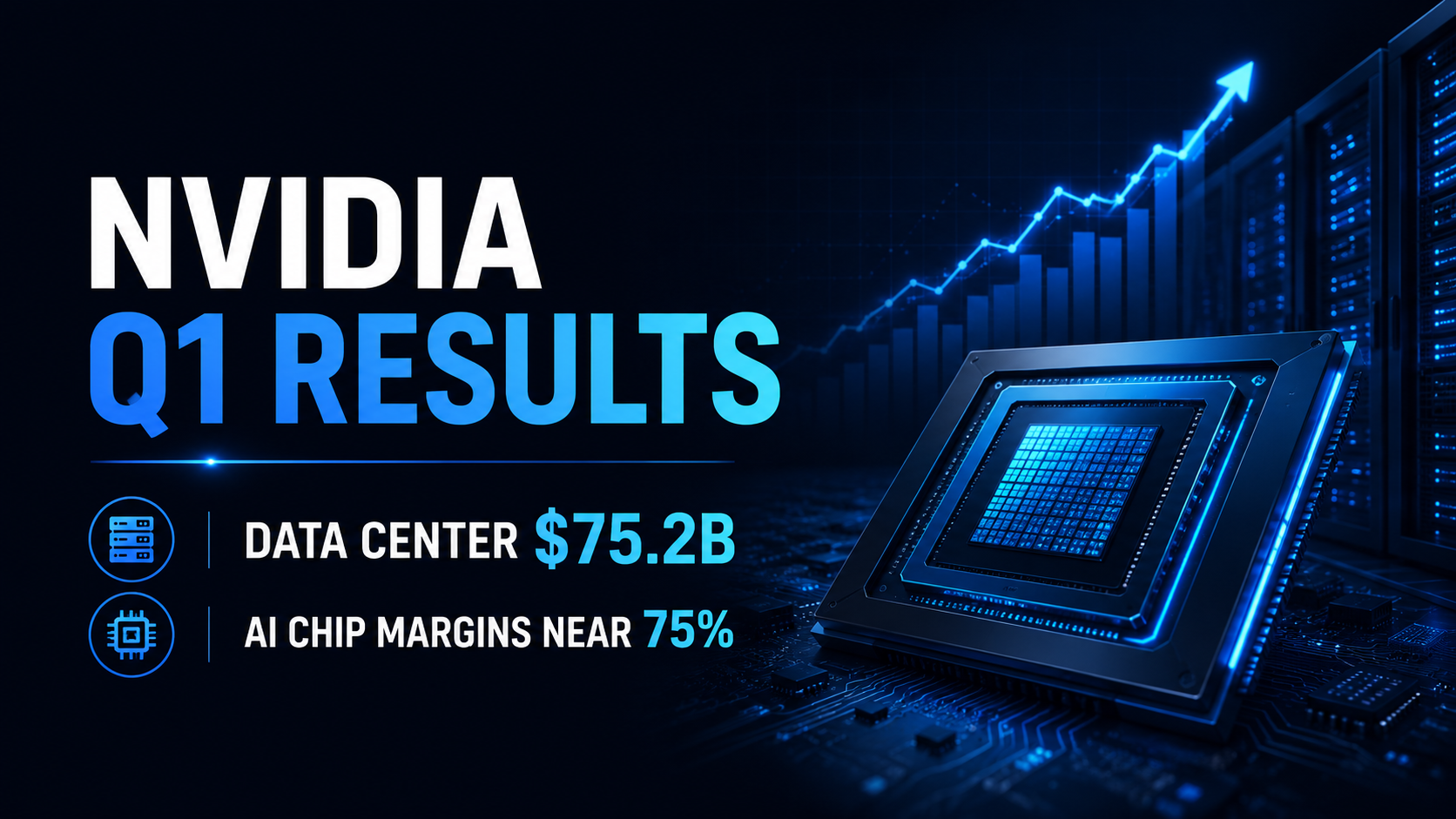
Nvidia FY2027 Q1 Earnings Review: Data Center Revenue Hits $75.2B as AI Chip Margins Hold Near 75%

Miden USDCx Brings Private Stablecoin Payments Onchain


You May Also Like
HOT
Currently trending cryptocurrencies that are gaining significant market attention
Crypto Prices
The cryptocurrencies with the highest trading volume
Newly Added
Recently listed cryptocurrencies that are available for trading