The U.S. prediction-market industry is facing another important regulatory development as the Commodity Futures Trading Commission (CFTC) moves toward clarifying how event contracts should be treated under federal derivatives law. On September 28, the agency sent two related rule proposals to the White House's Office of Information and Regulatory Affairs (OIRA) for review. The move comes days after a federal appeals court ruled that Ohio and Tennessee could enforce their gambling laws against Kalshi’s sports-related contracts.
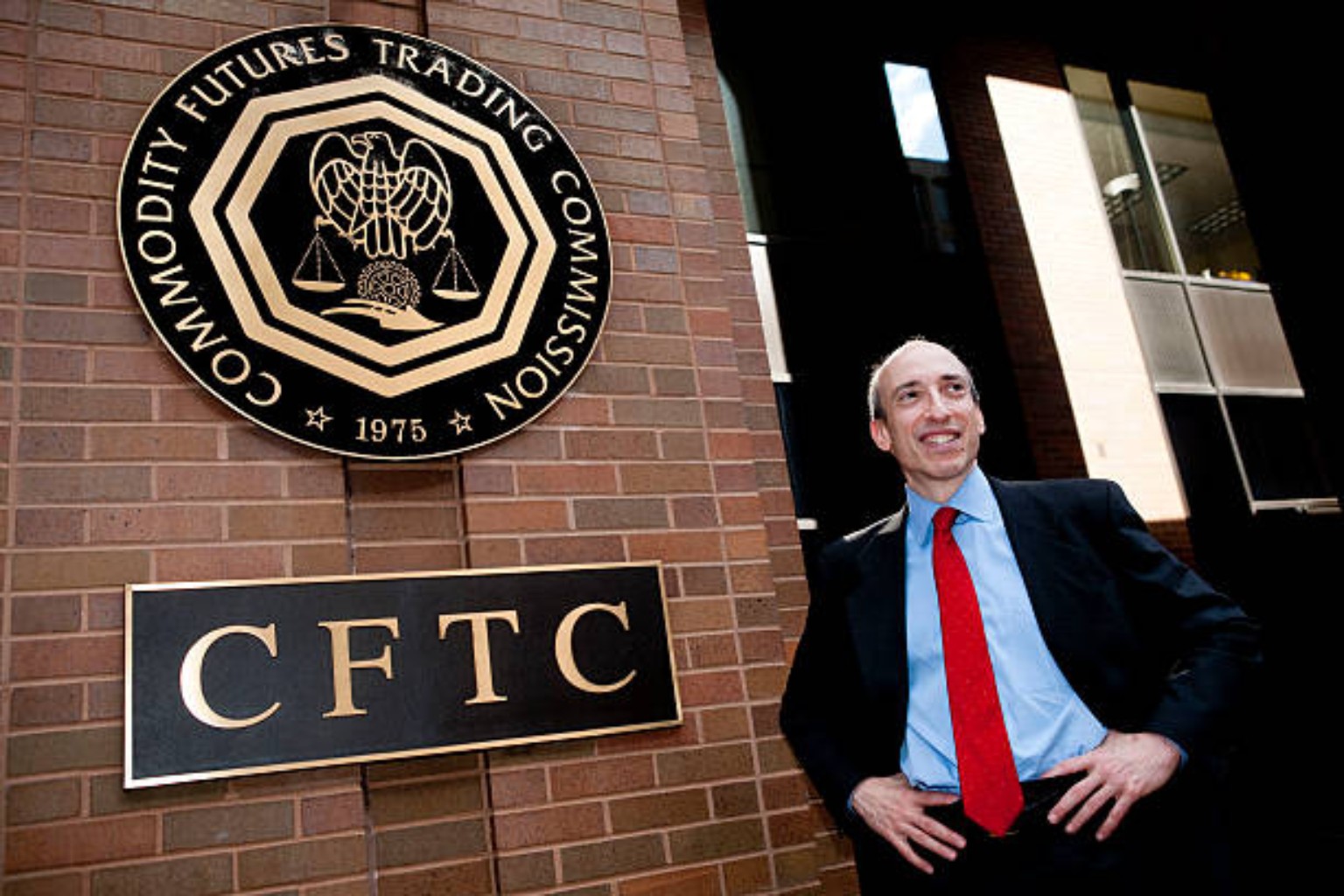
1.CFTC Sends Two Event Contract Rules for Review
The two proposals could shape how the United States draws the line between financial derivatives and gambling products. One proposal would further define "swap" under the Commodity Exchange Act to cover event contracts. The second, described as an interim final rule, would exclude casino-style gambling products from the swap definition. The full text of the proposals has not yet been publicly released, meaning important details remain subject to review.
The proposals are currently under review by OIRA, which examines significant federal regulations before they move toward publication. They therefore should not be treated as final rules yet. If adopted, however, the definitions could become important in determining which event contracts fall within the CFTC’s federal regulatory framework and which products remain outside it. The CFTC has already described event contracts as products that can be used to forecast, hedge or speculate on future events.
2.Why Prediction Markets Are Fighting States
The regulatory dispute largely centers on jurisdiction. Prediction-market platforms offer contracts whose value depends on whether a particular event happens. In recent years, some platforms have expanded heavily into sports-related contracts, bringing them into direct conflict with state gambling regulators.
That conflict intensified on September 25, when the U.S. Court of Appeals for the Sixth Circuit ruled against Kalshi in cases involving Ohio and Tennessee. The court concluded that Kalshi had not established that its sports-event contracts qualified as swaps under the Commodity Exchange Act and allowed the states to apply their gambling laws. The decision added to a growing disagreement among federal courts over the legal status of prediction-market contracts.
For prediction-market companies, the distinction matters because contracts classified as swaps on federally regulated exchanges can fall under the CFTC’s jurisdiction. State regulators, meanwhile, argue that certain sports contracts function as gambling products and should remain subject to state laws. That disagreement has created an increasingly complicated regulatory landscape for companies operating across the country.
3.What the New Rules Could Change
The CFTC’s proposed approach could give federal regulators a clearer framework for determining which event contracts qualify as swaps. The agency already says event contracts are typically structured as swaps and notes that they can involve economic risks, price movements and event outcomes.
At the same time, excluding casino-style gambling products would establish a boundary around the type of activity that should not receive treatment as a financial swap. That distinction could become particularly relevant as prediction-market operators continue expanding the range of contracts available to users.
However, the proposed rules would not automatically settle every dispute with state regulators. The Sixth Circuit’s recent ruling focused on how existing statutory language applies to Kalshi's sports contracts, while the CFTC proposals would establish regulatory definitions going forward. Courts, Congress and state authorities could therefore continue to play a role in determining how the framework develops.
4.What It Means for Kalshi and the Wider Market
Kalshi is not the only company affected by the debate. The broader prediction-market sector includes platforms offering contracts tied to sports, politics, economics, financial indicators and other real-world events. The outcome of the regulatory dispute could therefore influence how these markets design products and operate across different U.S. jurisdictions.
The CFTC's latest move also arrives at a time when event-contract markets are expanding rapidly. CFTC records show that federally regulated exchanges are already listing certified event-based contracts covering subjects ranging from inflation and interest rates to political outcomes and weather conditions.
For now, the key point is that the CFTC proposals are still moving through the federal regulatory process. Their eventual language, along with ongoing court cases and possible congressional action, will determine how much authority federal regulators have over prediction markets and how much remains with individual states.
5.Conclusion
The CFTC’s latest proposals add another major chapter to the U.S. prediction-market debate. By considering clearer definitions for event contracts and excluding casino-style products, the agency is attempting to establish a more defined federal framework. But with courts reaching different conclusions and states continuing to assert gambling authority, the legal boundaries around prediction markets remain unsettled.
FAQs
Q1:What are event contracts?
Event contracts are financial contracts whose payouts depend on whether a specified event occurs. They can cover economic indicators, weather, politics, sports and other outcomes.
Q2:What is the CFTC proposing?
The CFTC has sent two related rules for White House review. One would further define swaps to include event contracts, while another would exclude casino-style gambling products from the swap definition.
Q3:Why is Kalshi involved in the dispute?
Kalshi has faced state challenges over its sports-related event contracts. On September 25, the Sixth Circuit ruled that Ohio and Tennessee could apply their gambling laws to those contracts.
Q4:Are the CFTC's new rules final?
No. The proposals were sent to OIRA for review and have not yet become final regulations. Their eventual scope will depend on the federal rulemaking process and any subsequent legal challenges.
Disclaimer: The information provided in this article is for educational and reference purposes only. It is not financial advice. Investing in digital assets involves significant risk, and readers are solely responsible for their own investment decisions.